The Trump administration is erecting another set of hurdles to onshore and offshore wind energy development and operations.
The Department of the Interior on July 29 announced a four-pronged review that continues the president’s efforts to restrict some types of renewable energy, a darling of the previous administration and a rival to the fossil fuel sectors that he has embraced so firmly.
Interior Secretary Doug Burgum’s Order No. 3437 has a title — “Ending Preferential Treatment for Unreliable, Foreign Controlled Energy Sources in Department Decision-Making” — that touches on multiple themes the administration has emphasized.
It breaks down into four measures:
-
- Ending the Biden administration’s policy support (or “preferential treatment”) for intermittent (aka “unreliable”) energy sources such as wind and solar, which, despite growth of a domestic supply chain in the Biden years, still rely heavily on components manufactured in other countries, some of them considered rivals to the United States.
- Restoring the congressional mandate to consider all uses of public land and water by considering withdrawal of land with high wind energy potential to be sure grazing, recreation and other uses have balanced access. Also, Interior will terminate offshore Wind Energy Area designations made in the Biden administration.
- Strengthen stakeholder engagement for offshore wind development, particularly from tribes, the fishing industry and coastal communities. Offshore wind would have a disproportionate impact on these three constituencies, the order states. (It does not mention that these three groups consistently are among the strongest opponents of offshore wind.)
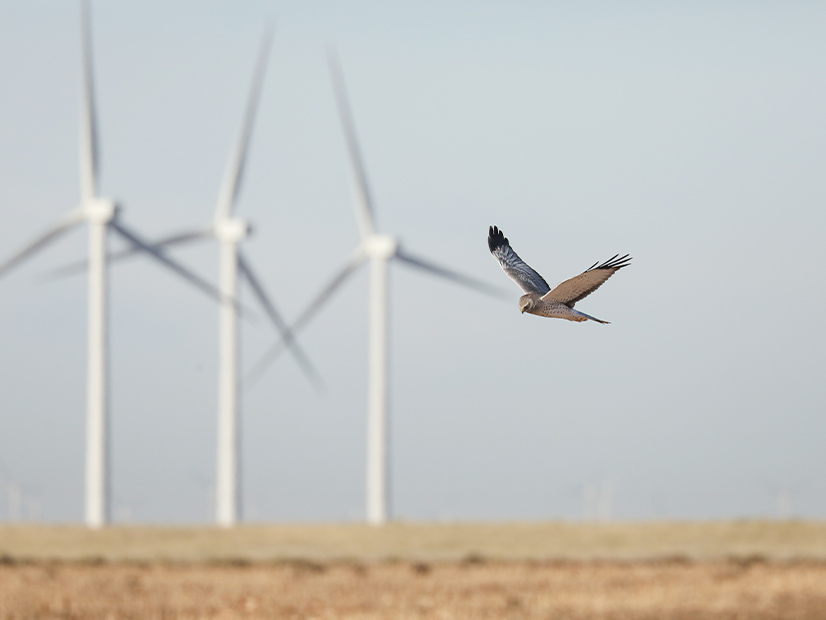
- Conducting a careful review of avian mortality associated with development of wind energy projects in migratory flight paths to determine if such bird kills qualify as incidental takings under the Migratory Bird Treaty Act. Interior then will determine the best way to permit such development, identify violations of statutes and assess penalties.
Trump ran on a platform of support for fossil fuel and opposition to solar and wind — especially offshore wind.
He has delivered on his campaign message, starting with a Day One directive limiting the offshore wind sector. (See Critics Slam Trump’s Freeze on New OSW Leases.) The reconciliation bill he pushed through Congress and signed July 4 directs the rapid phaseout of tax credits for wind and solar. (See U.S. Clean Energy Sector Faces Cuts and Limitations.)
Trump’s July 7 executive order ratcheted up the bill language, directing his cabinet agencies to carry out its provisions as quickly and firmly as possible. (See Trump Executive Order Targets Renewable Energy Tax Credits.)
A July 15 directive within the Department of Interior imposes byzantine requirements on any and all substantive review of wind, solar and supporting infrastructure on federal land, with successive approval required by two high-level deputies and then Burgum himself. (See Interior Dept. Places Solar, Wind Under Close Review.)
Meanwhile, Interior has moved to a crisis mode on favored technologies such oil, gas, coal and uranium, aiming to wrap environmental reviews in as few as 14 days.
This has led renewable energy and environmental advocates to conclude that the Trump administration is not “leveling the playing field” for the energy sector, as Burgum says in his July 29 news release, but instead tilting it toward fossil fuels — exactly the opposite of what fossil fuel advocates say the Biden administration did.
The Trump administration makes no secret of its intent to swing the pendulum back. Burgum’s order states: “The previous administration’s destructive and ideological policies not only severely impacted our nation’s supply of reliable energy infrastructure and dispatchable energy but also made our nation increasingly reliant on foreign-controlled energy equipment.”
Offshore wind trade group Oceantic Network criticized the “unprecedented requirements” being placed on wind projects.
“The Department of Interior’s latest directives continue a false narrative on an established American industry that will prevent an important source of baseload power generation from reaching the grid when ratepayers are already feeling the effects of rising electricity prices,” it said in a July 30 news release. “Crippling affordable and reliable wind energy makes no economic sense and undermines the administration’s ‘all-of-the-above’ energy strategy. We urge the department to adopt policies which put all sources of American energy on an even playing field.”