Federal Policy
CongressDepartment of EnergyLoan Programs Office (LPO)Department of TransportationEnvironmental Protection AgencyFederal Energy Regulatory CommissionGeneral Services Administration (GSA)Interior DepartmentBureau of Land ManagementBureau of Ocean Energy ManagementNuclear Regulatory CommissionTreasury DepartmentWhite House
© RTO Insider
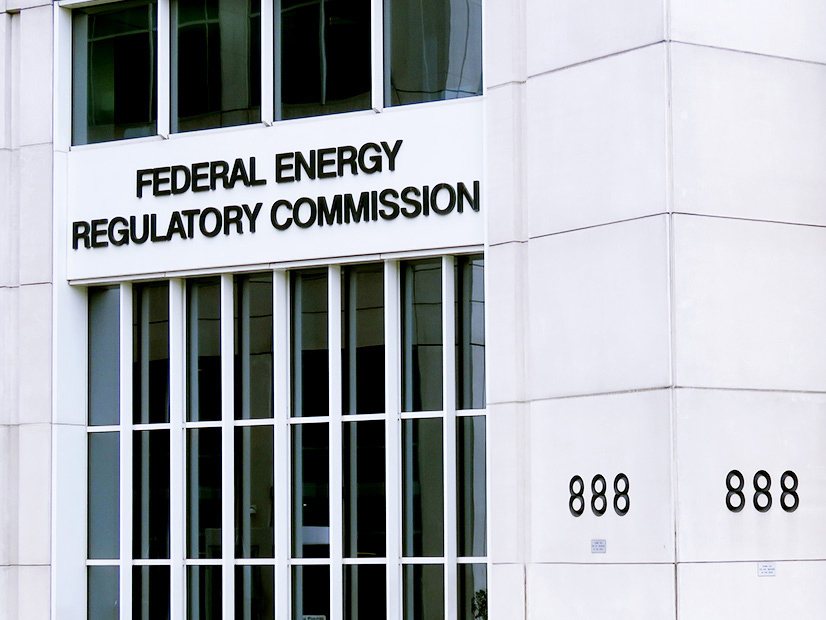
In "one of the largest and most brazen frauds in the history" of FERC, American Efficient has been ordered to pay a civil penalty of $722 million and disgorgement of unjust profits totaling about $410 million.
EIA
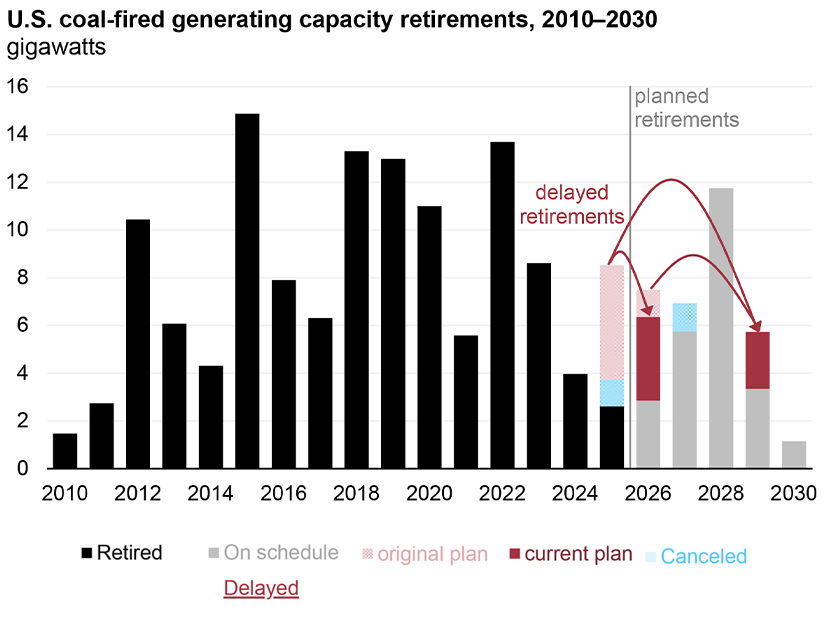
Coal generation retirements dropped to a 15-year low in 2025 as the energy industry tried to maintain existing capacity and the Trump administration sought to halt coal’s decline.
EIA
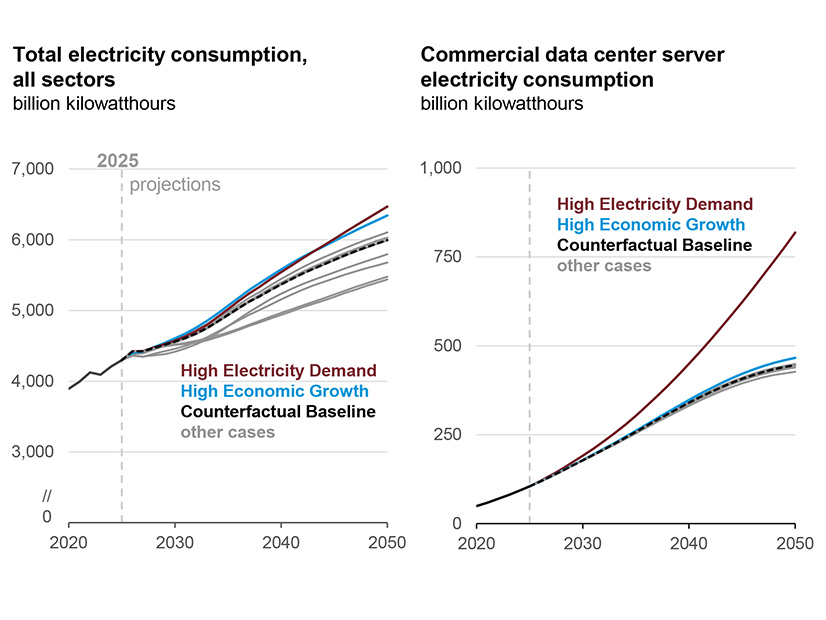
The Energy Information Administration’s 2026 Annual Energy Outlook forecasts major demand growth in the coming years.
Shutterstock
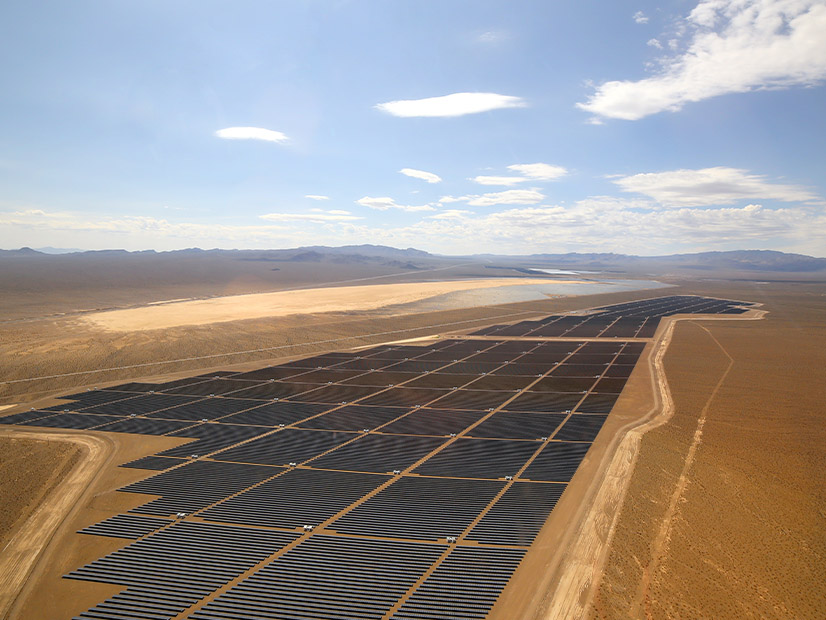
A new report quantifies what has been stated widely in general terms: The federal permitting process is delaying, downsizing and deterring clean energy projects.
RFF
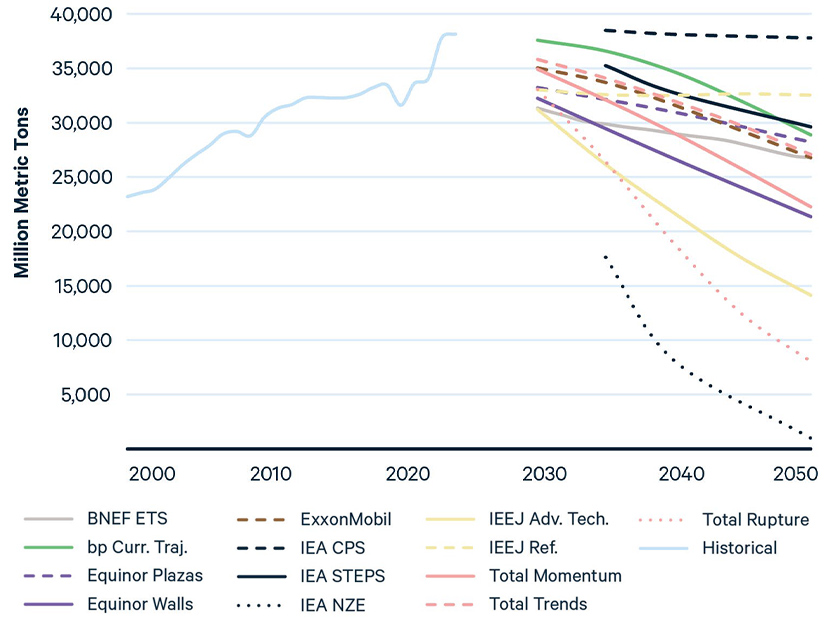
Too many emissions are baked in to the atmosphere for the world to limit global average temperature rise to 1.5 degrees Celsius, which was the target for the 2015 Paris Agreement, Resources For the Future said in its Global Energy Outlook 2026 report.

Shutterstock
Puget Sound Energy and Avista told the Washington Utilities and Transportation Commission they have taken steps to build clean energy resources quickly to qualify for expiring federal tax credits, while voicing concern that limited transmission capacity and the state’s greenhouse gas targets pose challenges.

© RTO Insider
The Department of the Interior announced an agreement with TotalEnergies for the company to give up offshore wind leases.

GE Vernova
A new report by a nuclear advocacy organization lays out some of the obstacles facing the imagined U.S. nuclear renaissance and suggests ways to address them.
Shutterstock
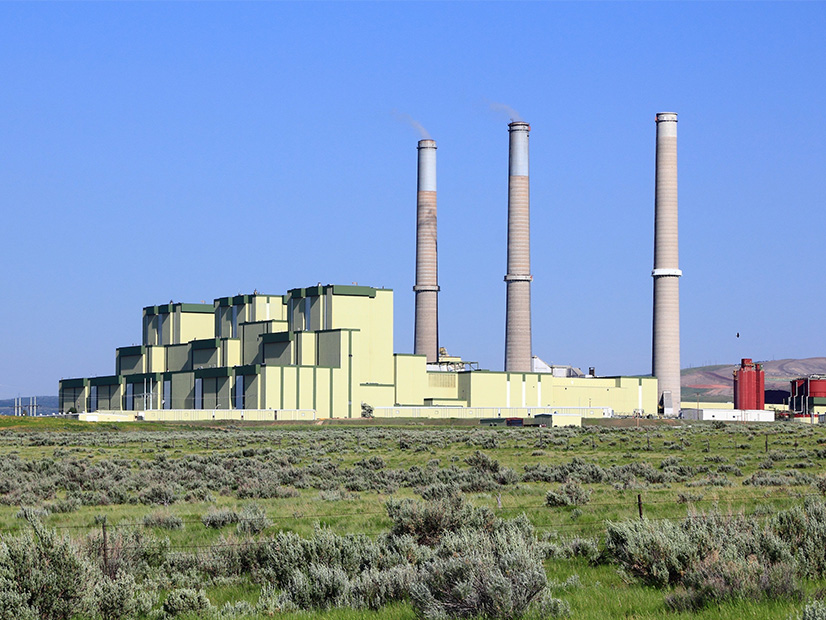
Challenges are piling up to Trump administration orders to keep retiring coal plants online, as the Colorado attorney general and environmental groups have filed petitions to overturn an extension of Craig Station Unit 1.
Sterling Industrial
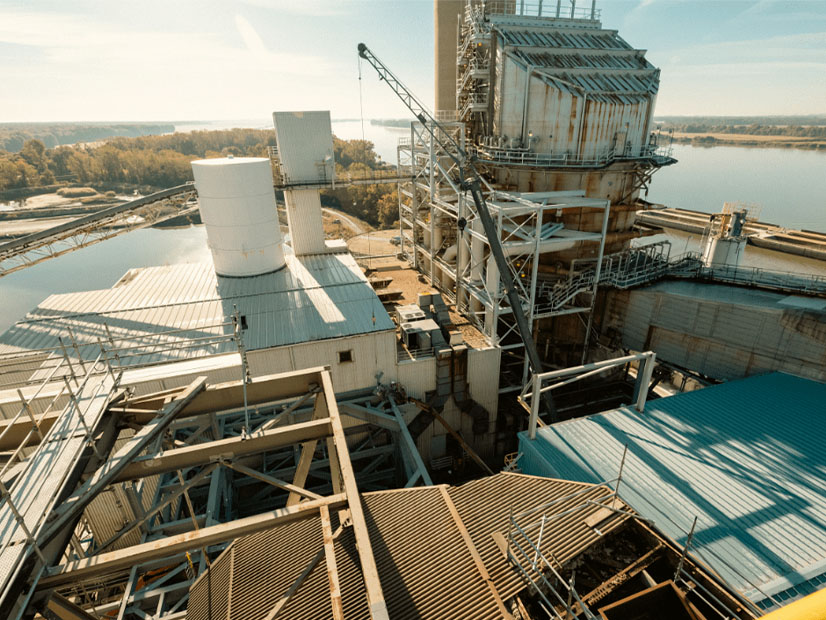
Public interest organizations have taken their challenge of the Department of Energy’s emergency orders keeping two Indiana coal plants operating past their planned retirement dates to the D.C. Circuit Court of Appeals.
Want more? Advanced Search