ISO-NE
ISO-NE Consumer Liaison GroupISO-NE Planning Advisory CommitteeNEPOOL Markets CommitteeNEPOOL Participants CommitteeNEPOOL Reliability CommitteeNEPOOL Transmission Committee
ISO New England Inc. is a regional transmission organization that oversees the operation of the electricity transmission system, coordinates wholesale electricity markets, and manages power system planning for the states of Connecticut, Rhode Island, Massachusetts, Vermont, New Hampshire, and most of Maine.
© RTO Insider
FERC extended the timeline for the New England transmission owners to refund customers for excess revenues collected after the commission in March set a lower base return on equity with a 2014 effective date.

ISO-NE
After a winter of record prices, ISO-NE wholesale market values fell back to more typical levels in March amid milder temperatures and lower gas prices.
© RTO Insider
Eversource Energy and Avangrid asked FERC to pause refund obligations stemming from the commission’s recent order cutting the return on equity for New England transmission owners and requiring the companies to issue extensive refunds.
Yes Energy
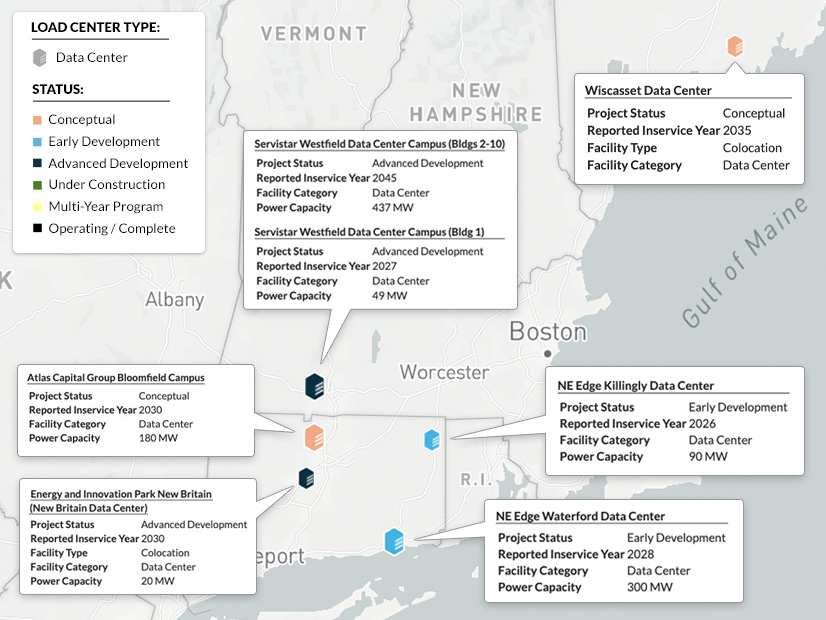
Increased interest in data center development in New England has led to growing concern about potential negative effects on energy affordability and long-term resource adequacy.
NextEra Energy
FERC approved ISO-NE’s proposal to replace its Forward Capacity Market with a prompt market, cutting the time between auctions and commitment periods from more than three years to about one month.

ISO-NE
The spring quarterly meeting of the ISO-NE Consumer Liaison Group revolved around the growing risks of climate-driven extreme weather events in Vermont and across the broader New England region.
ISO-NE
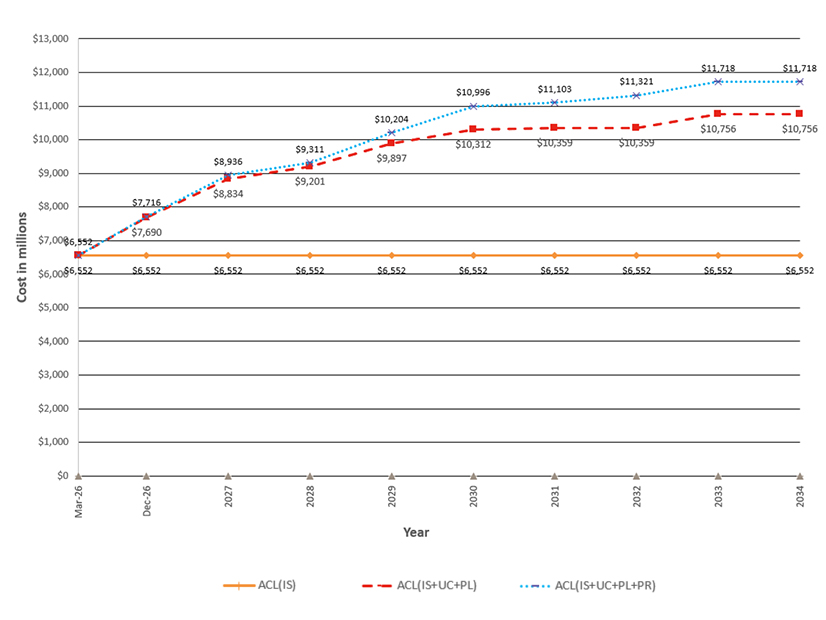
New England transmission owners have added over $376 million in projects to the asset condition list since October while placing over $560 million in projects in service.
© RTO Insider
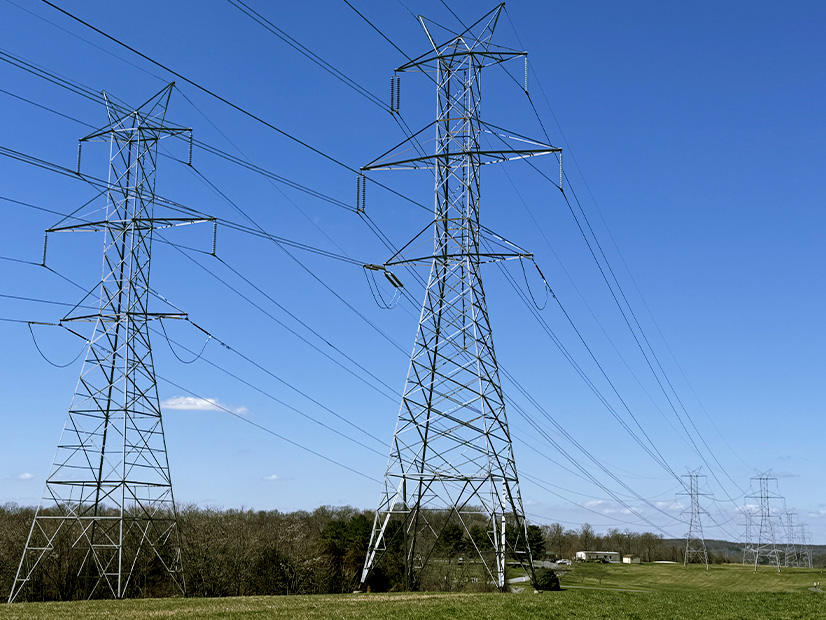
ISO-NE’s initial review of proposals submitted for a first-of-its-kind transmission procurement indicates four of the six proposals do not meet the technical requirements and are not eligible for selection.
Eversource Energy
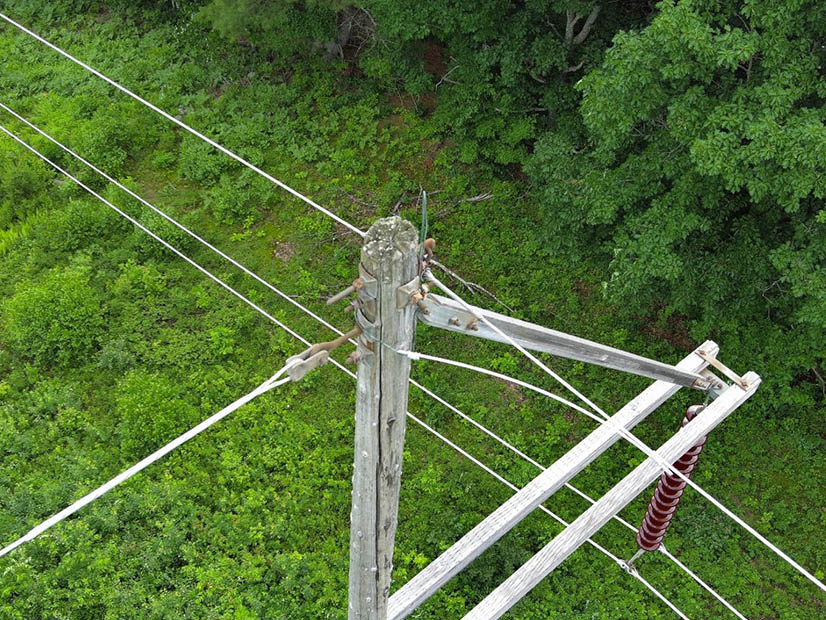
Updating stakeholders on its proposal for an internal asset condition reviewer, ISO-NE said it now plans to review asset condition projects estimated by transmission owners to exceed $25 million in regionalized costs.
Ørsted
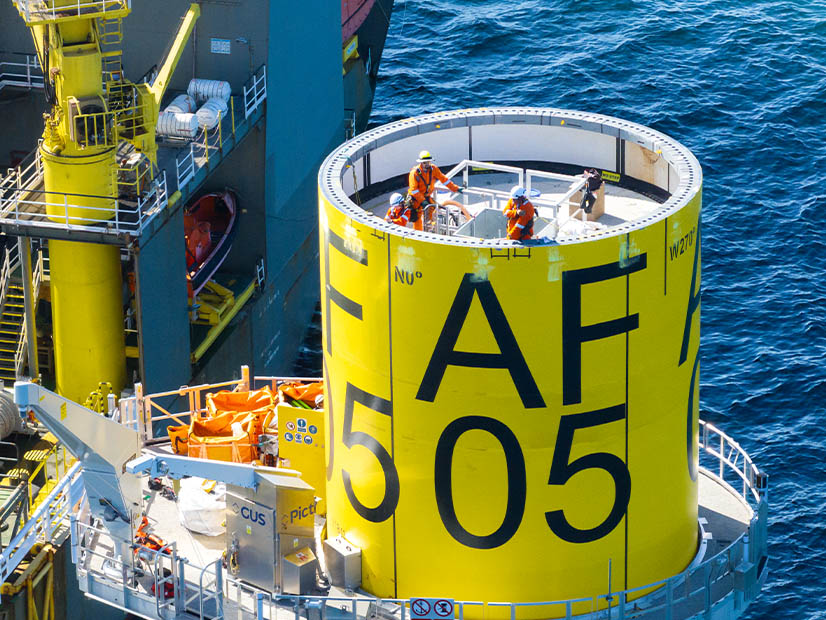
One New England offshore wind farm has completed construction, and another has begun sending electricity ashore as it finishes construction.
Want more? Advanced Search