© RTO Insider
In "one of the largest and most brazen frauds in the history" of FERC, American Efficient has been ordered to pay a civil penalty of $722 million and disgorgement of unjust profits totaling about $410 million.
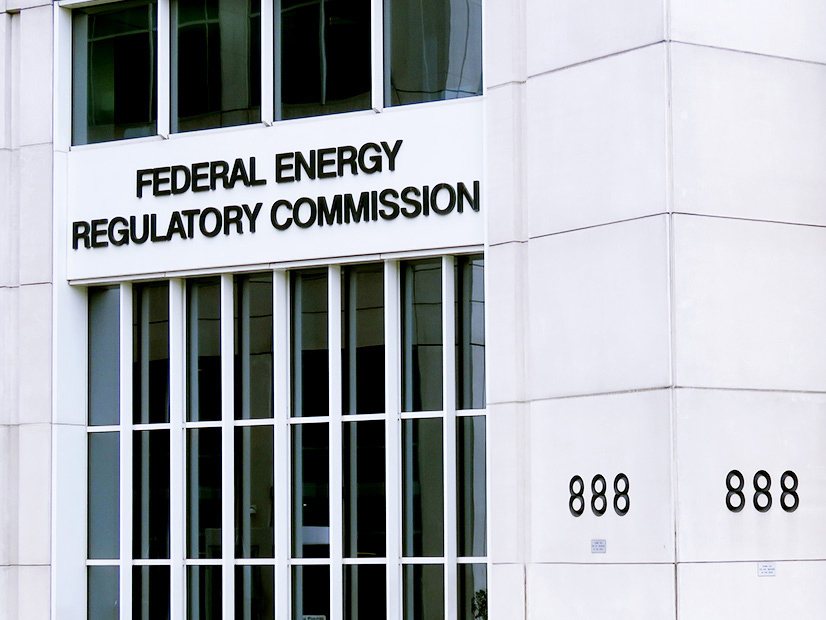
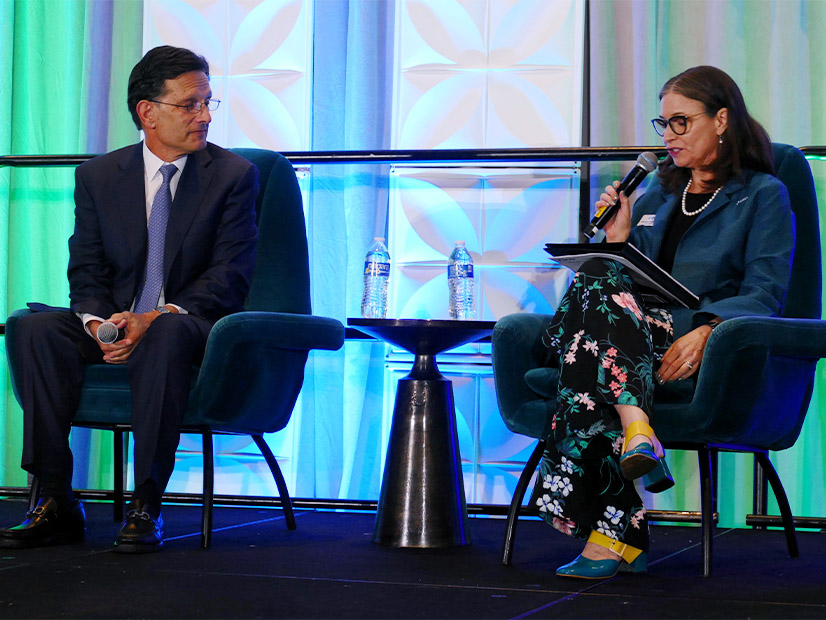
FERC Chair Laura Swett told the Energy Bar Association that she wants to push the commission’s authority as far as she can.
Renewable energy certificate contracts signed years ago did not contain cost adjustment mechanisms and New York is refusing to consider adding them now, after construction costs soared.
Panelists at the New York Energy Summit offered assessments and strategies for the obstacles facing the state’s continuing efforts toward decarbonization.
FERC extended the timeline for the New England transmission owners to refund customers for excess revenues collected after the commission in March set a lower base return on equity with a 2014 effective date.
Despite harsh weather and unprecedented load growth expected throughout the Western Interconnection, Arizona utilities said they are well prepared to meet demand reliably in summer 2026.
PacifiCorp is on schedule to enter CAISO’s Extended Day-Ahead Market on May 1, with the utility now in its final phase of market settlements and simulations testing.
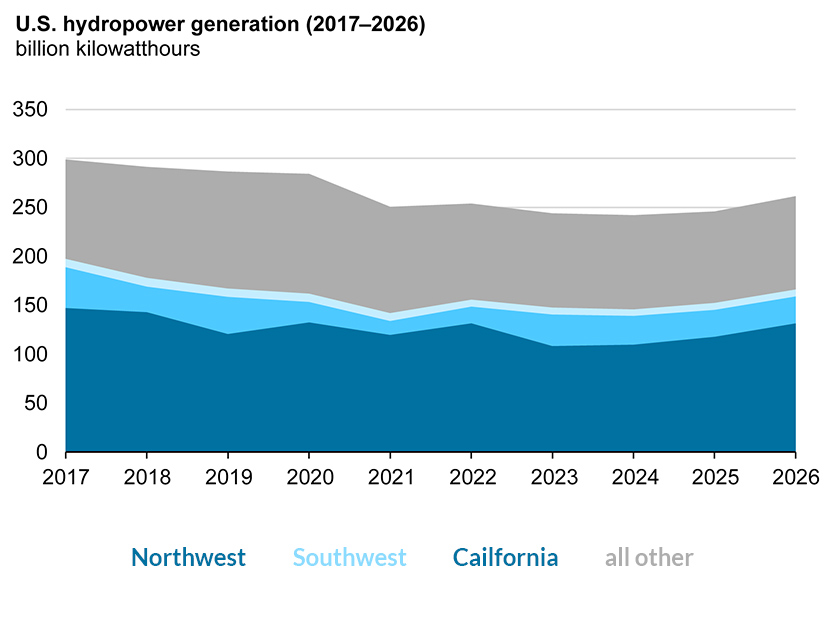
The Bonneville Power Administration said it continues to face steep energy deficits under “firm” water conditions over the next 10 years — but the outlook is slightly better than what the agency foresaw a year ago.
Panelists at the 2026 New York Energy Summit discussed the challenges facing the state's power grid amid a constantly shifting landscape.
CAISO/WEIM

ERCOT

© RTO Insider
IESO

ISO-NE

MISO

NYISO

New York Department of Public Service
PJM

© RTO Insider
SPP/WEIS