The Texas Reliability Entity’s Member Representatives Committee agreed to send a proposed regional reliability standard before industry stakeholders for a 45-day comment and ballot period at its open meeting Sept. 17.
The comment period for BAL-001-TRE-3 (Primary frequency response in the ERCOT region) is expected to run from Sept. 22 to Nov. 6, with the ballot period occurring in the last 15 days. (See page 19 in the committee’s agenda.) The standard drafting team will meet to discuss comments within 30 days of the end of the comment period.
If the standard fails to receive enough votes from industry, a second comment and ballot period will be held in 2026. If the standard passes, a final ballot will be conducted, after which it will be presented to the Texas RE Board of Directors for approval. From there it would go to NERC, and then to FERC.
BAL-001-TRE was created in 2013 after NERC requested, and FERC granted, a waiver of BAL-001-0 (Real power balancing control performance) for ERCOT on the grounds that one of its requirements was not “feasible under ERCOT’s competitive balancing energy market” and that the grid operator could not create inadvertent flows or time errors in other control areas.
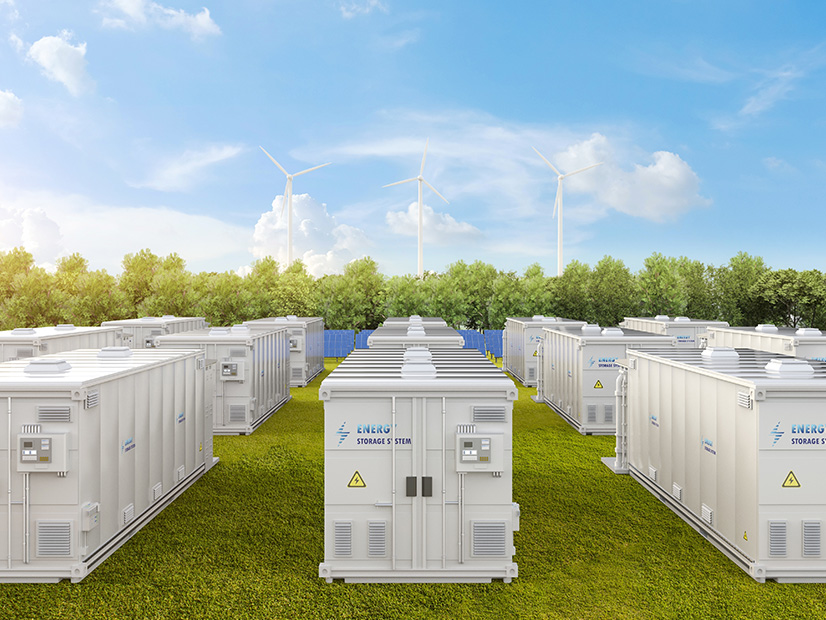
The new version of the standard adds language clarifying that it applies to battery energy storage systems (BESS) and performance requirements for BESS, along with generating facilities, and sets maximum governor deadband settings for generating units that are not qualified to provide operating reserves and have obtained approval from the balancing authority to widen settings. It also updates the compliance monitoring period and circumstances under which the compliance history for the standard may be reset by the compliance enforcement authority.
At the board meeting following the MRC’s, Texas RE Chief Engineer Mark Henry reviewed the region’s performance during the summer. While the hot and dry summer that was predicted did not develop “to the expected degree,” demand continued to increase, with renewable and storage resources setting records; battery discharge during the summer months so far has totaled 7 GW, while solar generation totaled 29 GW.
Henry also confirmed that demand from large loads, particularly data centers and artificial intelligence operations, continues to grow, with load expected to more than double from 18 GW to 37 GW between 2025 and 2026, and again to 83 GW in 2027. He referred to NERC’s Large Loads Action Plan, which envisions the Reliability and Security Technical Committee’s Large Loads Task Force developing recommendations through mid-2026 alongside NERC-led collaborative industry sessions and collaboration with large loads efforts in ERCOT and other areas.
Finally, Henry discussed NERC’s Level 3 alert on inverter-based resources, which the ERO sent to industry on May 20. The alert laid out essential actions for IBR performance and modeling with responses from registered entities required by Aug. 18. Answers were mixed; more than half of utilities said they lack internal processes to confirm the dynamic performance of IBRs following system events, but more than 75% said they do have internal processes to update transmission entities about changes to IBRs that can alter performance.