NERC is seeking comments on the agenda for a virtual workshop Nov. 5 in which the ERO will review its response to FERC Order 909, including a standards development project that aims to meet the commission’s directives by 2026.
The commission issued the order in July, approving new reliability standards establishing frequency and voltage ride-through requirements for inverter-based resources. (See FERC Approves IBR Ride-through Standards.) One of those standards, PRC-029-1 (Frequency and voltage ride-through requirements for IBRs), allows owners of legacy IBRs — resources already in operation when the standard goes into effect — 12 months after the effective date of the standard to request an exemption to its ride-through requirements.
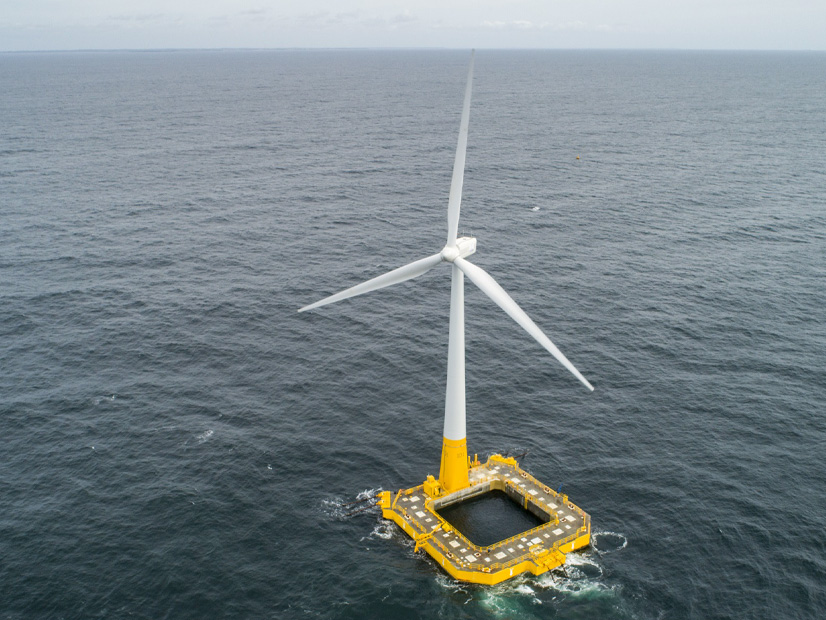
Reacting to comments by industry stakeholders on its proposal to accept the standard (RM25-3), FERC directed NERC to clarify, within 12 months of the order’s effective date, what evidence it would accept to demonstrate hardware limitations for legacy IBRs. Also due in 12 months was a determination of whether any additional exemptions should be made for HVDC-connected IBRs with choppers — used in offshore wind projects to protect converters during grid faults — and other IBRs with long lead times “between adopting IBR specifications and placing the IBR in service.”
NERC’s workshop will outline the history of the project for industry stakeholders and solicit input on the issues entailed. Discussion panels are planned on documentation obligations for legacy IBRs and equipment limitations of IBRs with choppers that prevent them from complying with the ride-through standards of PRC-029-1.
In the final panel, participants will discuss how long-lead-time projects should be identified; whether they should be defined in the standard or left to industry to determine; potential equipment limitations from such projects; and solutions or workarounds that could address those limits. Attendees will also have the chance to provide feedback through live polling.
NERC staff have also suggested the workshop can help inform industry of relevant issues as stakeholders consider the standard authorization request (SAR) for Project 2025-05, which will handle the FERC directive. At the Oct. 15 meeting of NERC’s Standards Committee, Director of Standards Development Jamie Calderon suggested extending the comment period for the SAR — which begins Oct. 29 — from 30 days to 45 days in order to give industry more time to consider the discussion at the workshop. (See related story, NERC Standards Committee Passes Revised Proposals.)
In its announcement of the workshop Oct. 15, NERC invited stakeholders to provide input on the agenda. Topics of interest to the ERO include factual data on the exemption process, equipment limitations of IBRs with choppers and long-lead-time projects. Comments should be submitted by email to Alison Oswald, manager of standards development; Lauren Perotti, assistant general counsel; or Sarah Habriga, standards development analyst.