Constellation Energy is proposing 714 MW of new gas-fired peaker capacity and up to 800 MW of storage in response to a Maryland solicitation.
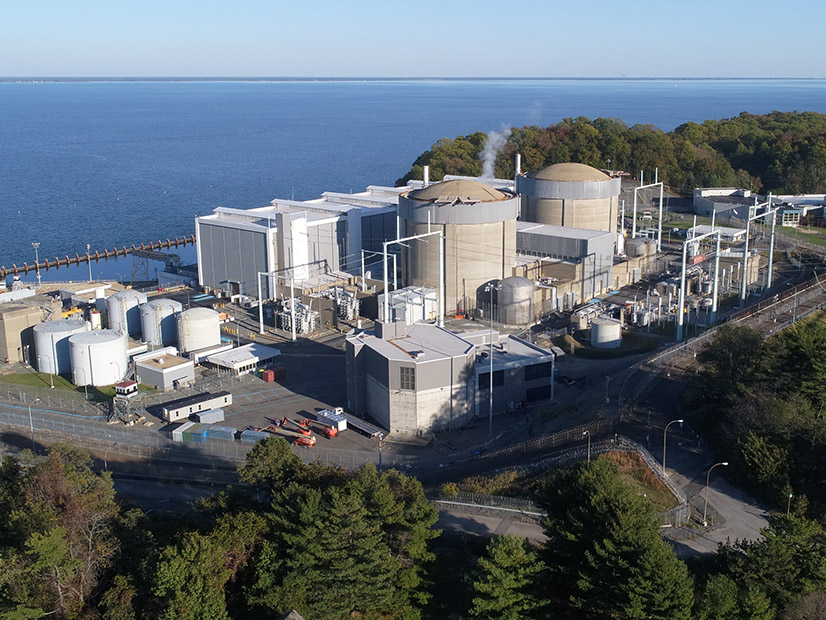
Constellation also said it could provide additional gigawatts of power with a combination of new nuclear generation and extension or expansion of existing nuclear facilities in Maryland.
Constellation’s Nov. 4 announcement contains caveats: Some policymakers argue against building the additional natural gas infrastructure that the peakers would require; Maryland legislators need to provide clear direction and enabling legislation; and local utilities need to provide faster connections to the grid.
Meanwhile, Constellation and other major stakeholders are pressing for reforms in the PJM market. (See PJM Drops Non-capacity Backed Load, Shifts Focus to Resource Queue, PRD.)
Maryland Gov. Wes Moore (D) signed the Next Generation Energy Act (SB0937/HB1035) into law May 20.
In response, the Public Service Commission on Sept. 30 initiated Docket PC74 and issued a solicitation for dispatchable generation and large-capacity energy resources through an expedited certification of public convenience and necessity (CPCN) process.
The dispatchable generation must have an effective load carrying capability of at least 65% as determined by PJM’s most recent ELCC rating and must have a lower greenhouse gas emissions profile than coal- or oil-fired generation.
The energy resource must be a generating station or energy storage system that has applied for or been approved for PJM interconnection and must have a capacity rating of at least 20 MW after accounting for ELCC.
There were four responses by the Oct. 31 deadline:
A civil engineering firm submitted a confidential document; a group of environmental and community activists advocated in favor of solar, storage and wind but against natural gas; Alpha Generation requested a dispatchable resource CPCN for the 35-MW uprate it’s pursuing for its 766-MW gas-fired Keys Energy Center; and Constellation submitted its two gas and one storage projects for consideration as dispatchable generation resources.
The 150-MW and 564-MW gas projects would use turbines that Constellation owns and would relocate to the project sites, which are adjacent to existing, undisclosed power stations. Anticipated annual run times were not disclosed. Constellation expects to submit service requests to PJM before April 27, 2026, as part of the Cycle 1 interconnection process.
Constellation said it has submitted a new gas service request to Baltimore Gas and Electric for the two projects. Securing firm supply in the highly constrained Mid-Atlantic pipeline system is challenging, so it is working with BGE to determine availability and will continue discussions with other parties as needed to secure firm gas to the sites.
Constellation warned that if the two gas plants are to be built, policymakers must work with gas utilities to facilitate gas supply improvements expeditiously; include appropriate cost recovery for gas infrastructure investments; and potentially authorize a special contract between the gas utility and generator to ensure firm supply at predictable rates.
Constellation’s storage proposal would entail up to 800 MW of four-hour battery energy storage systems on up to four, 12.5-acre parcels owned by Constellation at undisclosed locations.
They would export electricity for sale in PJM real-time and day-ahead energy wholesale markets, fast-start ancillary services and capacity markets.
The anticipated ELCC rate would be 58%, which Constellation acknowledges falls short of the 65% minimum specified by the PSC. But it argues in its proposal that the anticipated unforced capacity — as much as 464 MW — would be a significant addition to PJM’s resource-constrained BGE Zone, and it would be emissions-free.
Constellation anticipates submitting this project as well in PJM’s Cycle 1 interconnection process.
Constellation’s potential increases in nuclear capacity are in earlier stages. They entail: Relicensing the two reactors at Calvert Cliffs to operate another 20 years beyond their current retirement dates, 2034 and 2036; investing in uprates to increase the Calvert Cliffs output by 10%, or 190 MW; and exploring construction of 2,000 MW of next-generation nuclear reactors beside Calvert Cliffs.
Together, these would equal 4,000 MW of emissions-free generation capacity added or not removed from the grid.
“Constellation could bring all — or any combination — of these new projects forward to meet Maryland’s energy generation needs at the lowest possible cost to consumers,” the company said, “provided we have clear direction and enabling legislation from Maryland’s policymakers.”