Community solar
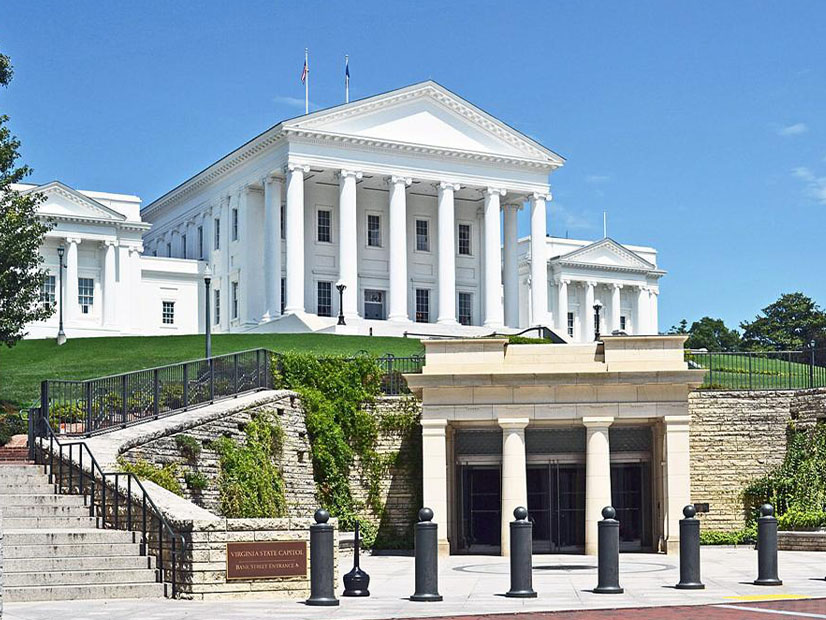
Virginia Department of Historic Resources
The Virginia General Assembly wrapped up its session and Democrats used the power they won in November's elections to push through bills favoring clean energy as the state faces significant load growth from data centers.
Wood Mackenzie
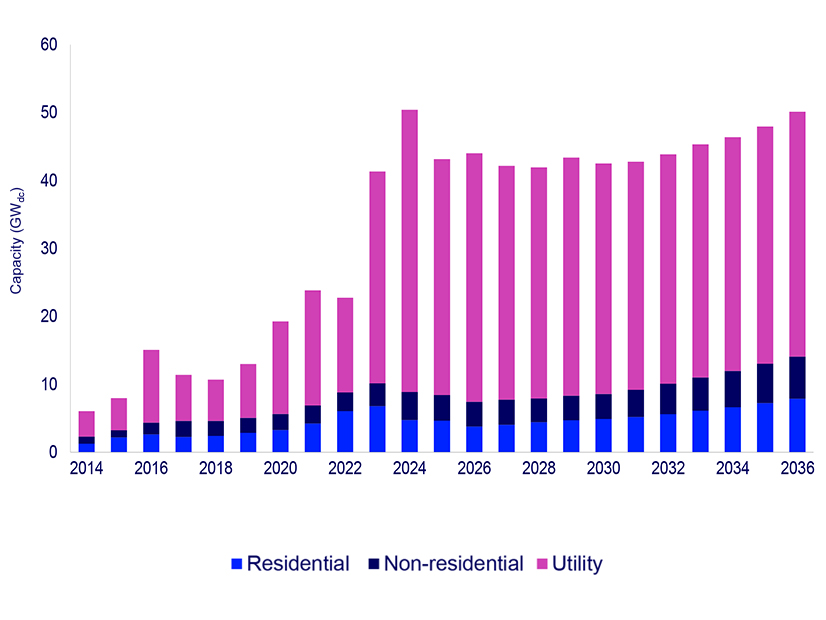
Nearly 40% fewer U.S. solar power projects reached completion in the fourth quarter than in the third quarter as developers pivoted to start new projects in time to qualify for tax credits.
NYSERDA
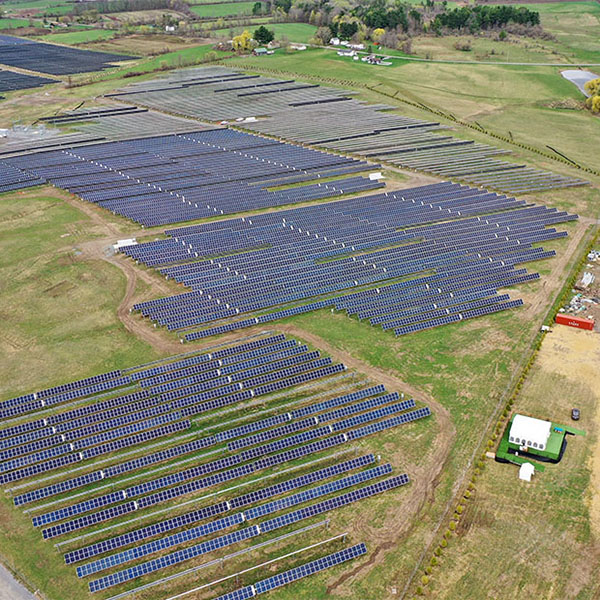
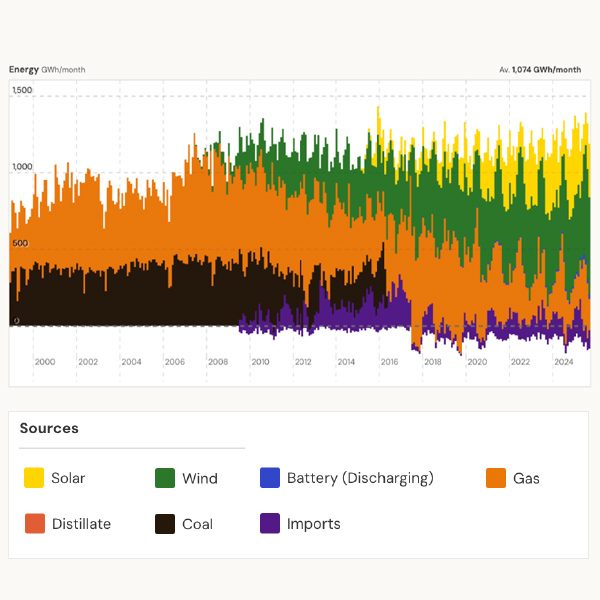
After a decade of intensive policy work and billions of dollars expended, the state’s grid was more reliant on carbon-based fuels in 2024 than in 2014.
Open Electricity
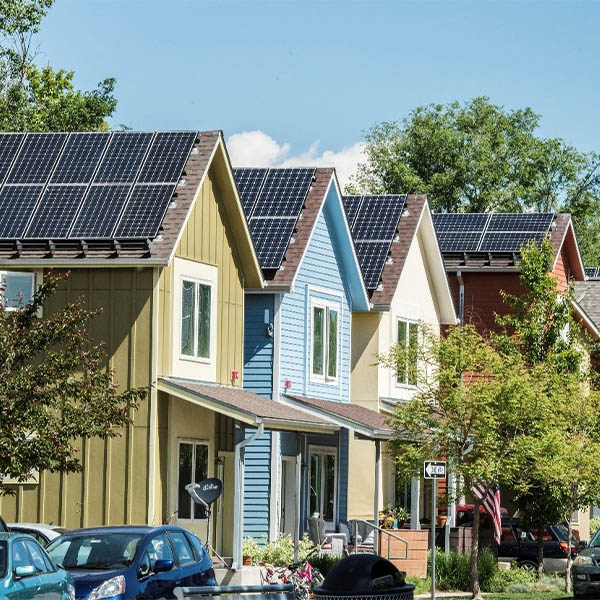
The U.S. needs to take rooftop solar seriously and consider how it can be an essential part of our energy mix, says columnist Dej Knuckey.
Dennis Schroeder / DOE
The complaint seeks to force EPA to reverse its termination of Solar for All, a $7 billion effort to expand lower-income Americans’ access to small-scale photovoltaics.
AC Power
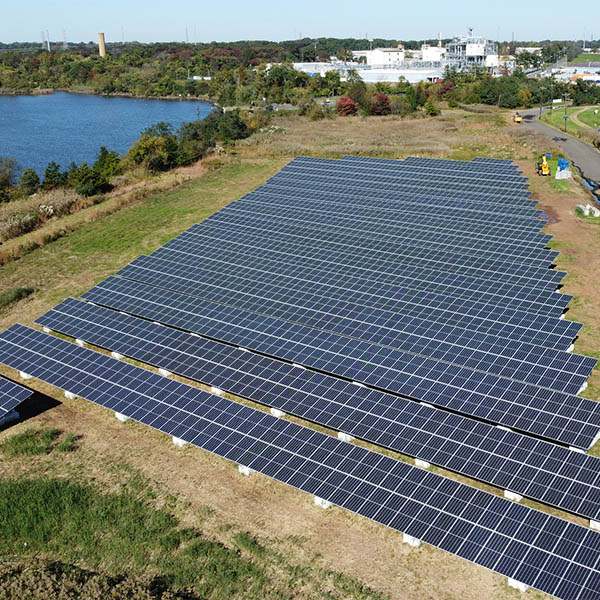
As solar development companies race to meet the deadlines by which they can secure federal investment tax credits before the program expires, developers see a better-than-expected short-term outlook but a grim long term.
SEIA
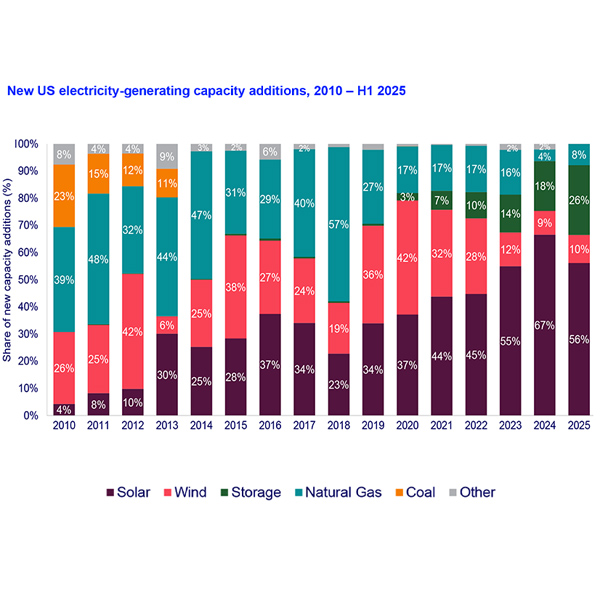
A new report quantifies the buildout of solar power generation in 2025 and forecasts the slowdown expected to result from federal policy changes.
Nexamp
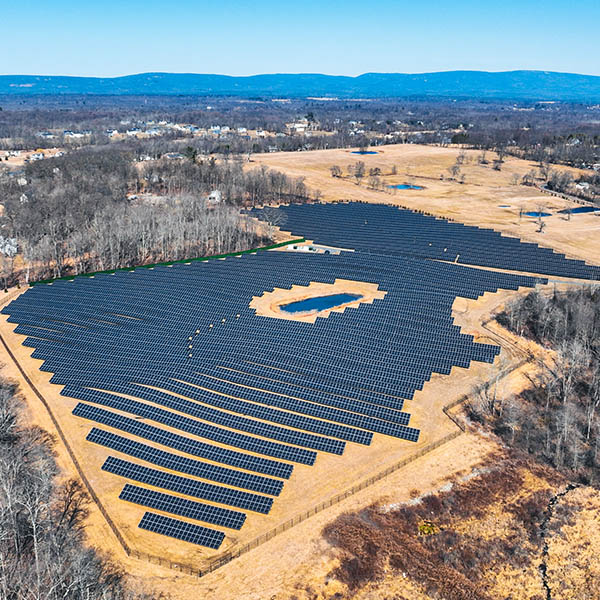
Community solar developer Nexamp filed a complaint against National Grid with the New York Public Service Commission accusing the utility of unfair price increases and violating state interconnection process agreements.
Shutterstock
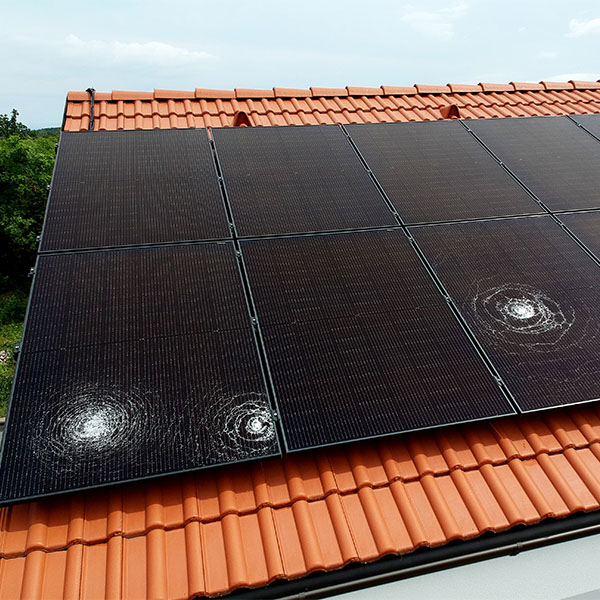
Hailstones accounted for only 6% of incidents resulting in losses to solar panels, but those losses amounted to 73% of the total.
Nexamp
New York’s distributed solar incentive program is ahead of schedule and under budget, so state regulators are reallocating some of its funding for other clean energy programs.
Want more? Advanced Search