Utility scale solar

Shutterstock
Puget Sound Energy and Avista told the Washington Utilities and Transportation Commission they have taken steps to build clean energy resources quickly to qualify for expiring federal tax credits, while voicing concern that limited transmission capacity and the state’s greenhouse gas targets pose challenges.
Shutterstock
A new MIT study posits that while retail electric rates are higher in states that have renewable portfolio standards, the standards are not to blame.
Wood Mackenzie
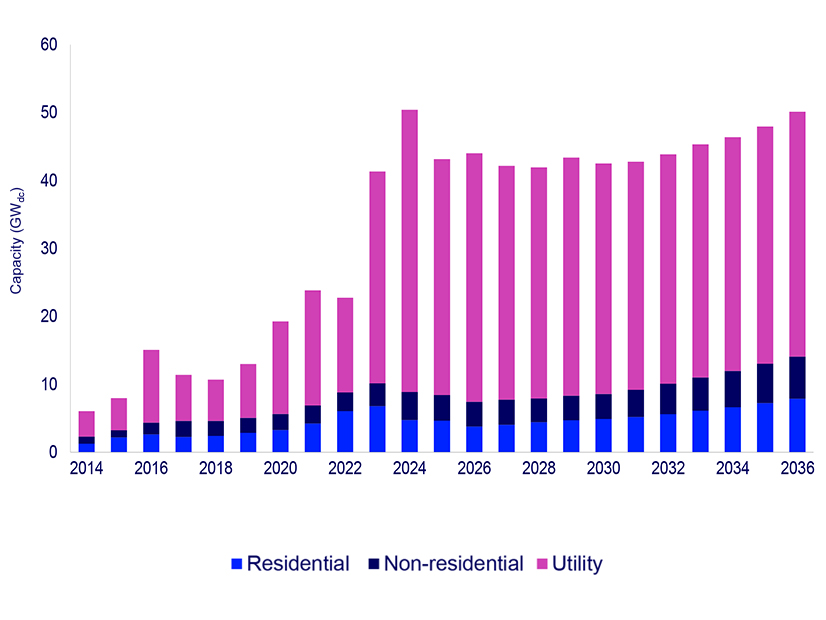
Nearly 40% fewer U.S. solar power projects reached completion in the fourth quarter than in the third quarter as developers pivoted to start new projects in time to qualify for tax credits.

Shutterstock
The New Jersey Board of Public Utilities approved the state’s first incentivized storage projects and launched new community and grid-scale solar solicitations.
EIA
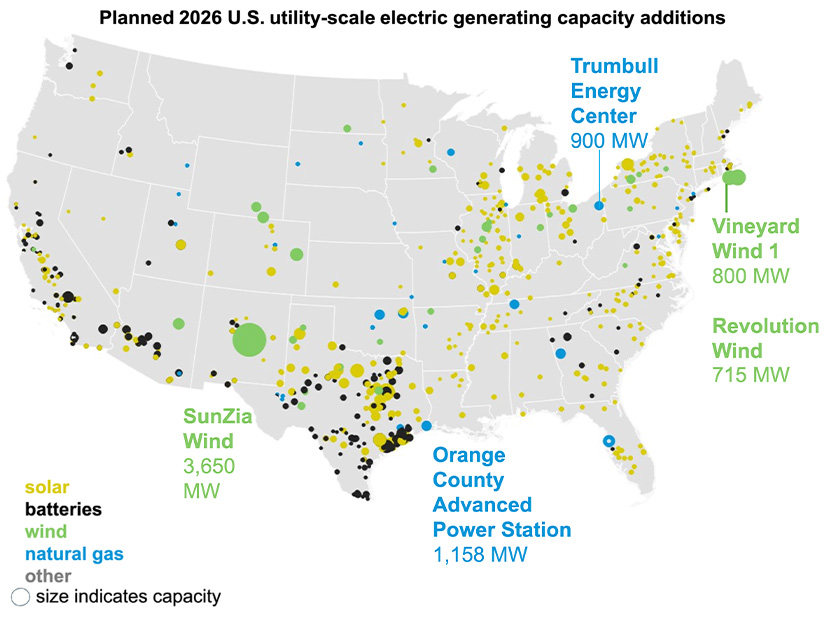
The EIA released a report that said a record 86 GW of utility-scale capacity is projected to be added to the grid in 2026, which if true, would far outpace the 53 GW of capacity added in 2025.
ORES
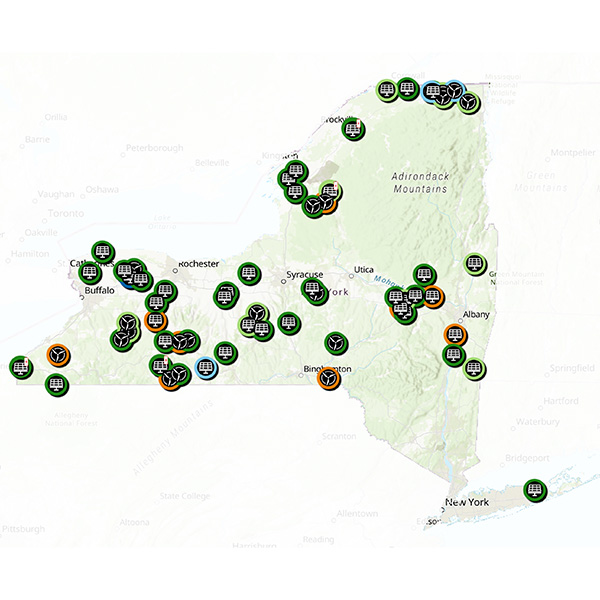
The New York Public Service Commission said the regulations it has approved will reduce permitting time for transmission projects by up to 50%.
NYSERDA
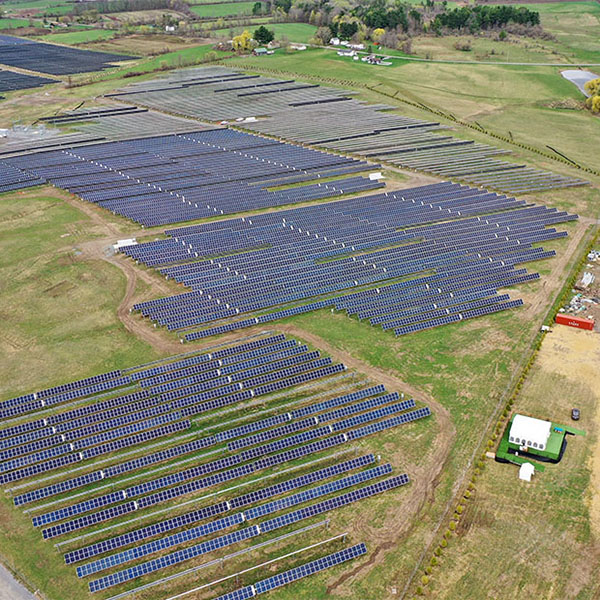
After a decade of intensive policy work and billions of dollars expended, the state’s grid was more reliant on carbon-based fuels in 2024 than in 2014.

Gov. Mikie Sherrill via X
New Jersey Gov. Mikie Sherrill signed two sweeping executive orders that sought to control the state’s aggressively rising electricity rates through ratepayer credits and generation expansion.
EIA
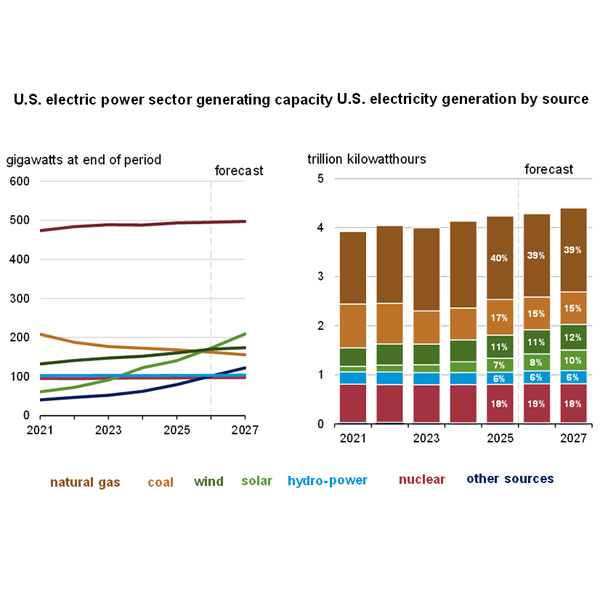
The U.S. Energy Information Administration forecasts the highest power demand growth in a quarter century in 2026 and 2027, due largely to the proliferation of data centers.
Shutterstock
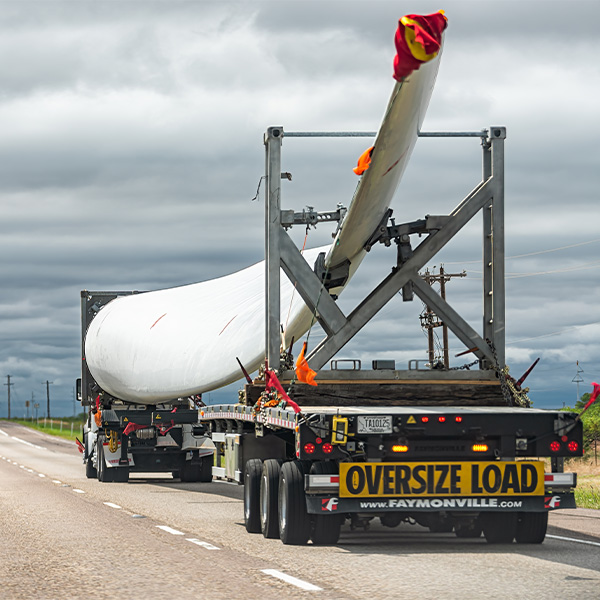
The renewable energy industry and its advocates have initiated two more lawsuits against the Trump administration over its continuing campaign against wind and solar energy development.
Want more? Advanced Search