IESO
Ontario’s Independent Electricity System Operator is a government organization with a mixture of commercial and public-policy goals, owned by the government of Ontario. It was created to prepare for deregulation of the province’s electrical system and is governed by a board whose directors are appointed by the provincial government.
IESO
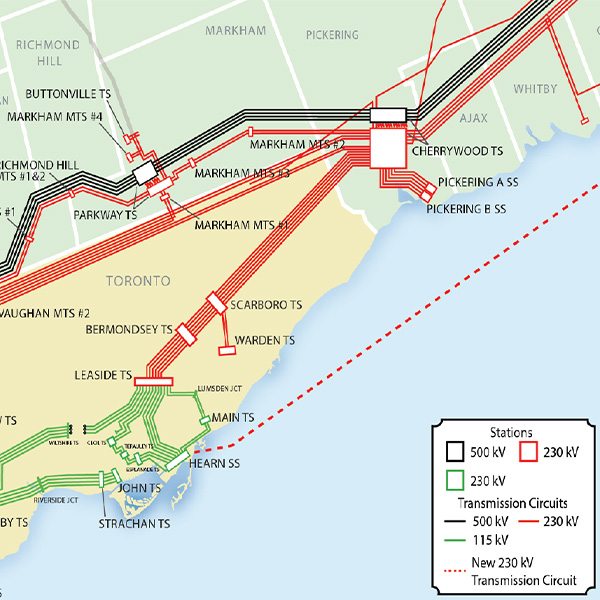
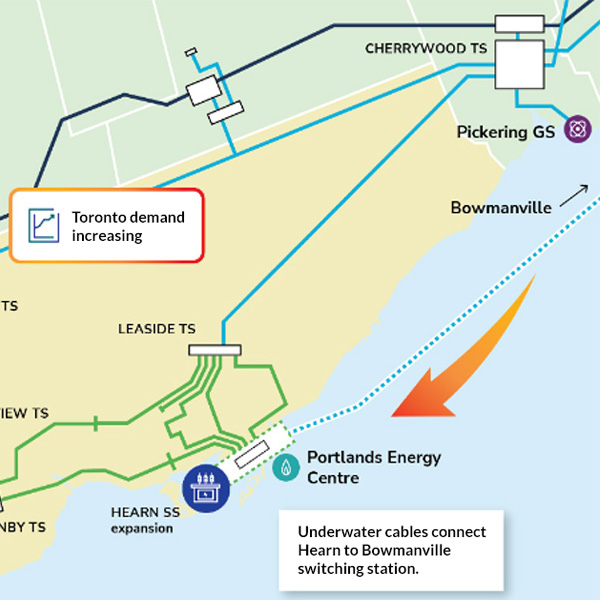
IESO is seeking stakeholder input on its first competitive transmission solicitation: a $1.5 billion HVDC line under Lake Ontario that will become the third major supply line for Toronto.
IESO
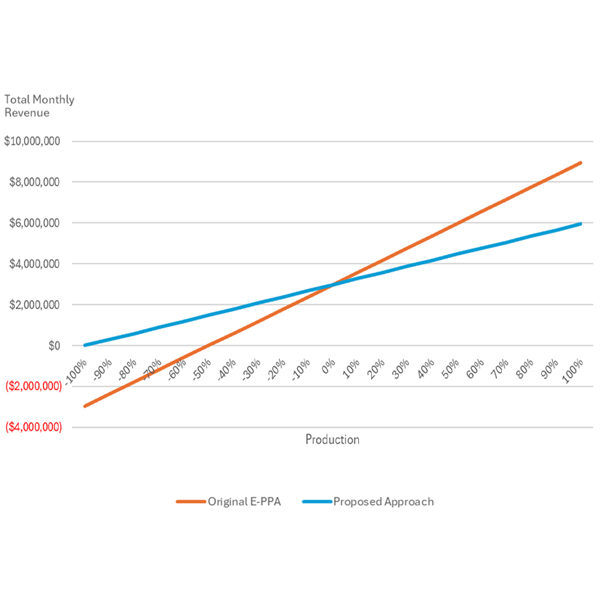
IESO officials held firm on excluding hydro redevelopment projects from the ISO’s Long Lead-Time procurement despite objections from potential bidders.
NERC
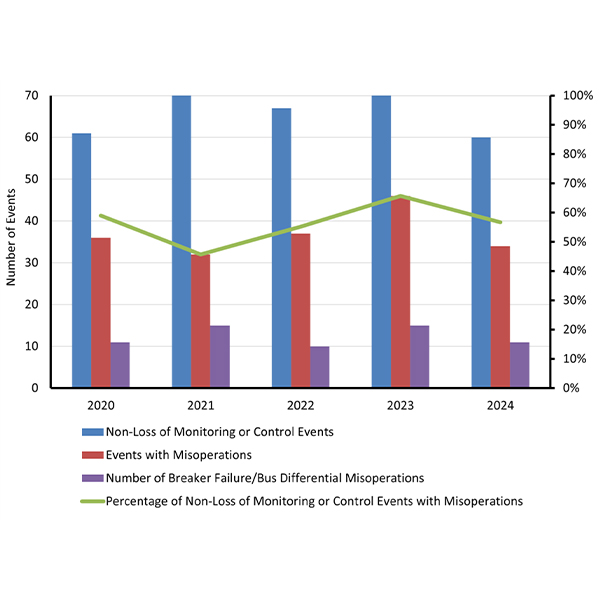
IESO is targeting six areas of NERC’s Reliability Standards in its 2026 compliance program, largely continuing a focus on issues it has prioritized since 2023.
Government of Canada
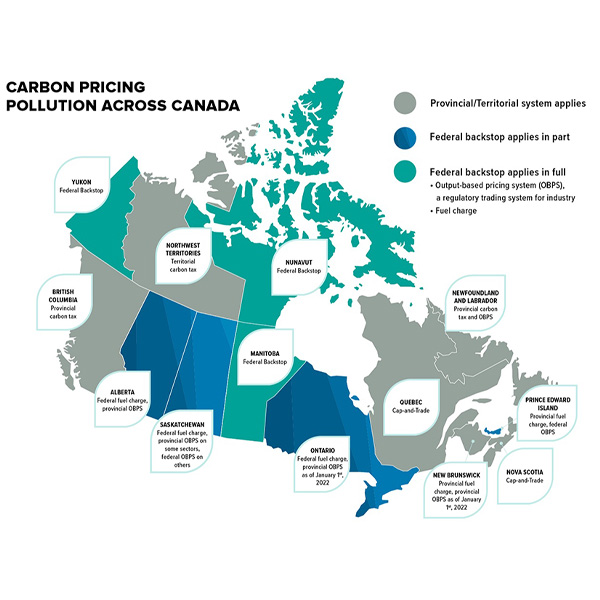
After scrapping most Trudeau-era climate policies, Prime Minister Mark Carney wants to tighten rules over Canada’s industrial carbon markets, which observers say have failed to incentivize emission reductions.
IESO
Ontario approved IESO’s proposed $1.5 billion HVDC line under Lake Ontario, which planners say is needed to meet a potential doubling of Toronto’s electricity demand by 2050.
Hydro One
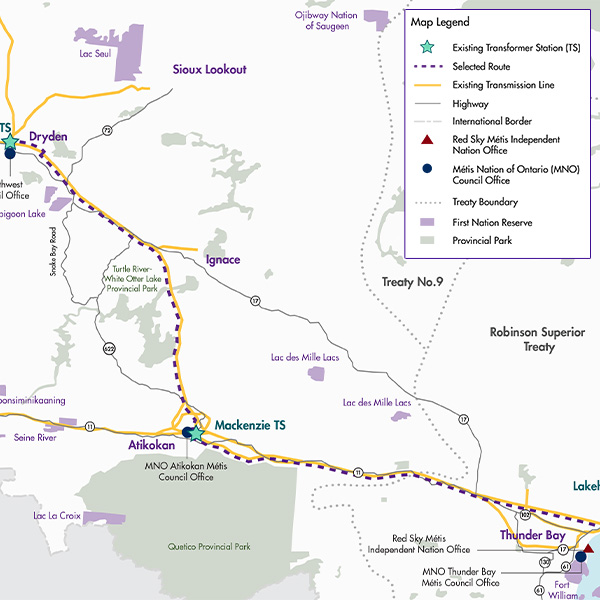
IESO's latest Reliability Outlook reduces its 2026 demand growth projection slightly, citing “international trade tensions.”
IESO
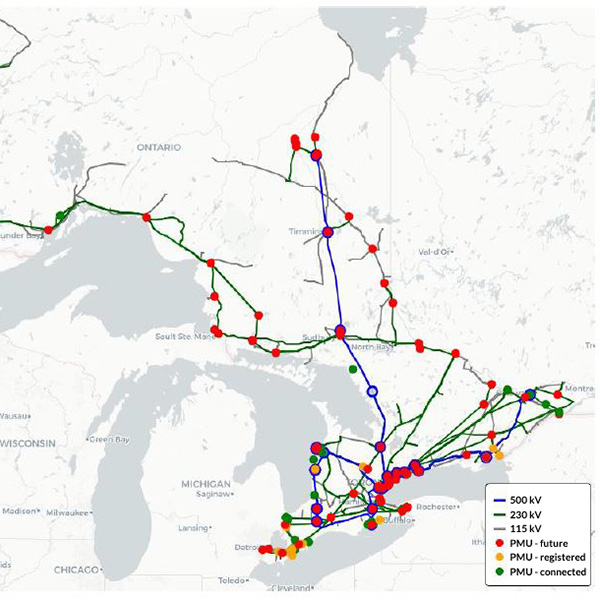
IESO released proposed market rule and manual revisions to require synchrophasor data from storage resources.
New York Governor's Office
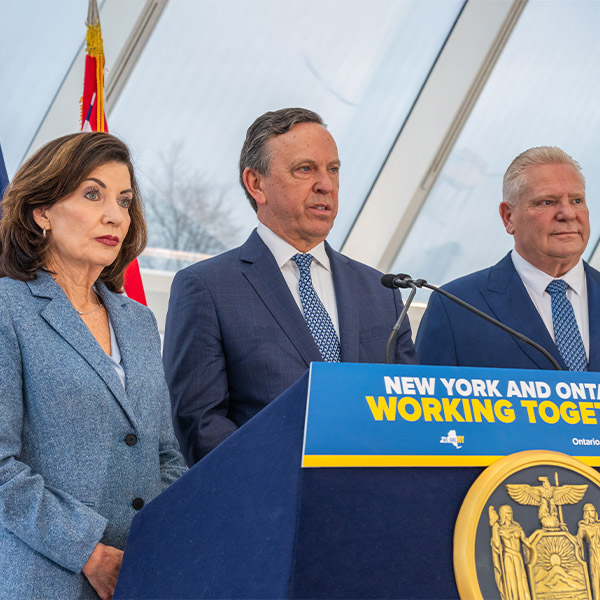
NYPA and OPG will share information, resources and institutional knowledge to support the economic, technology and workforce initiatives needed for advanced nuclear development on both sides of the border.
Highview Power
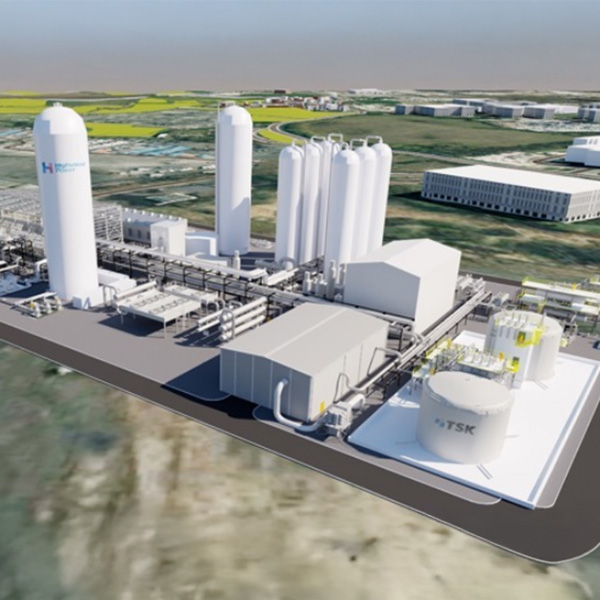
Responding to opposition from suppliers, IESO said it will not include a termination option in its procurement for long lead-time resources.
Power Advisory
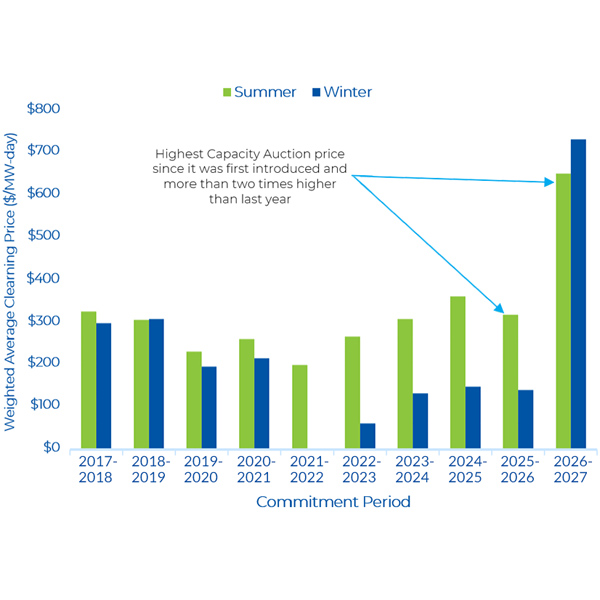
IESO says record-high clearing prices in its capacity auction will have little impact on ratepayers because the ISO's medium- and long-term procurements play a larger role in the region’s resource adequacy.
Want more? Advanced Search