NYISO
NY PSCNYISO Business Issues CommitteeNYISO Management CommitteeNYISO Operating CommitteeOther NYISO Committees
The New York Independent System Operator Inc., a not-for-profit regional transmission owner, is responsible for operating New York's bulk electrical grid, administering the state's wholesale electricity markets, maintaining grid stability, and ensuring the reliability and planning of the state's bulk energy system.
Constellation Energy
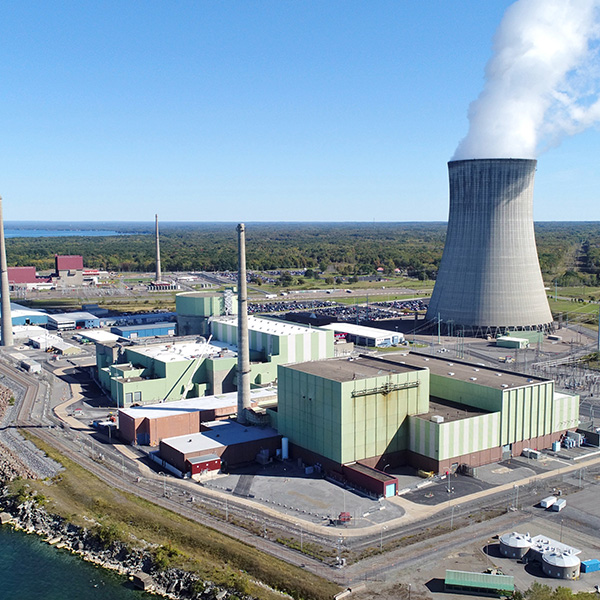
A new report estimates keeping New York’s aging commercial nuclear reactors running through 2050 would result in $50 billion in energy savings.
NYPA
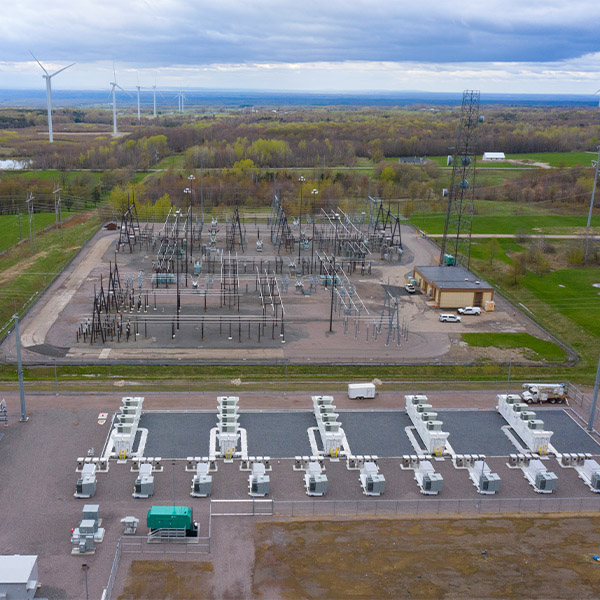
At a recent Budget and Priorities Working Group meeting, NYISO presented its final recommendations for 2026, which will define where the ISO puts its market design resources.
Ben Schumin, CC BY-SA-2.0, via Wikimedia
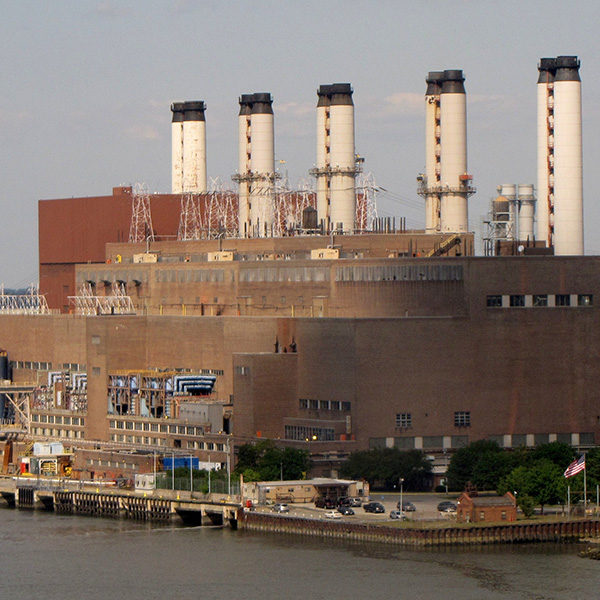
NYISO has proposed to stop using “winter to summer” and “summer to winter” ratios to determine maximum clearing and reference point prices in its seasonal demand curves.

Shutterstock
NYISO shared a detailed analysis of New York’s late June heat wave, in which significant operating reserve shortages elevated energy prices.

Micron Technology
The NYISO Operating Committee approved the system impact study for the second of Micron Technology’s semiconductor chip manufacturing centers.
© RTO Insider
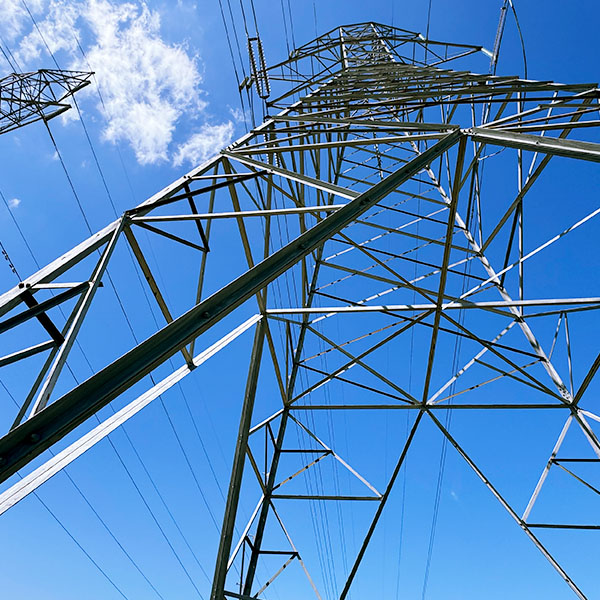
The New York Public Service Commission denied the New York Power Authority’s petition to grant the Clean Path New York transmission project priority status.
Nexamp
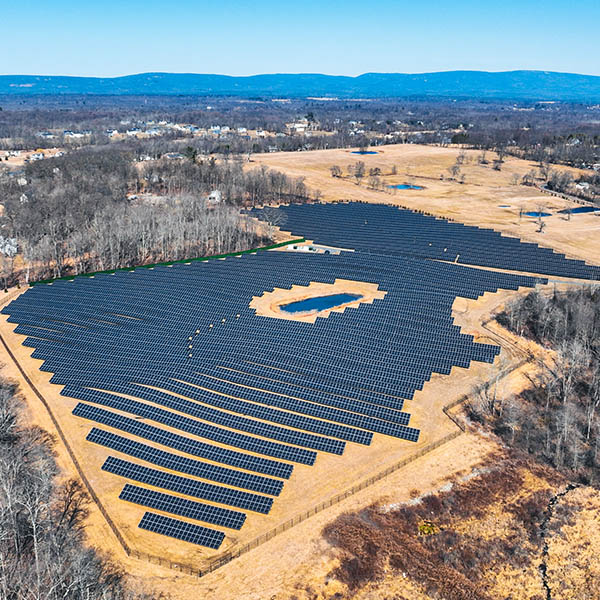
Community solar developer Nexamp filed a complaint against National Grid with the New York Public Service Commission accusing the utility of unfair price increases and violating state interconnection process agreements.
NYISO
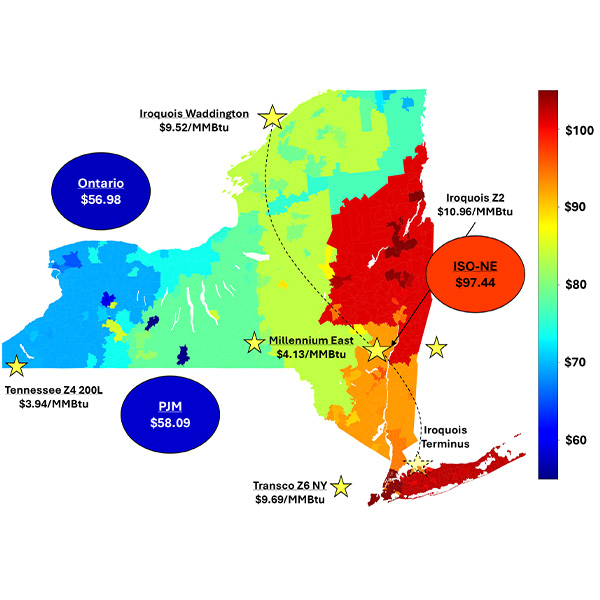
Stakeholders requested the NYISO Market Monitoring Unit provide an explanation of the difficulties in obtaining data from the ISO and market participants on supplemental commitments after it presented its State of the Market report for the first quarter.
Plaza Construction
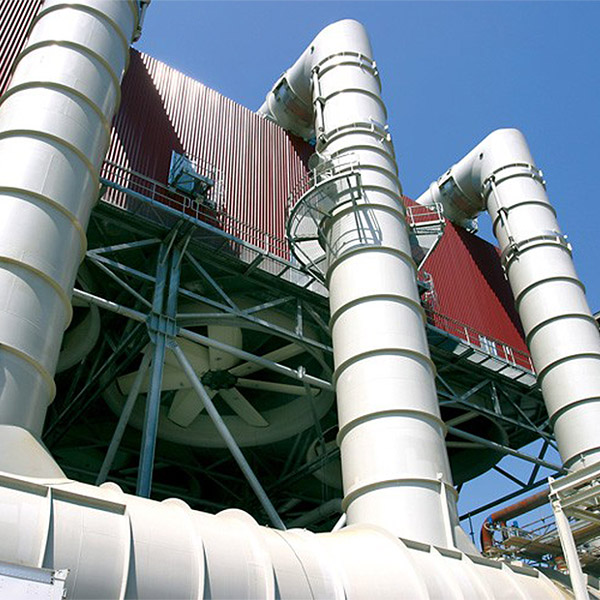
NYISO told stakeholders it was no longer considering seasonal capacity accreditation factors because it found they would disincentivize participation in the capacity market.
Constellation Energy
The Department of Public Service proposes the state extend its subsidy program for its commercial nuclear facilities from 2029 to 2049 to help ensure the operators of America’s two oldest reactors seeks to relicense them.
Want more? Advanced Search