Federal Energy Regulatory Commission (FERC)
The Federal Energy Regulatory Commission is an independent agency that regulates the interstate transmission of electricity, natural gas and oil; reviews proposals to build LNG terminals and interstate natural gas pipelines; and licenses hydropower projects. FERC also oversees operations of regional wholesale electricity and natural gas markets and oversees the reliability of the bulk electric system.
The need for uniform EV charging standards and the limits of state efforts to price carbon highlighted FERC’s technical conference on electrification.
PJM has proposed shifting the burden of determining what resources are subject to the MOPR away from the RTO and the Monitor to FERC itself.
One way to help the U.S. get to net-zero emissions would be the creation of a DOE “Foundation,” argued some participants of the second EnVision Forum.

Mich. regulators will assess a 2019 MISO transmission project to determine whether it should remain in the grid operator’s 2019 Transmission Expansion Plan.
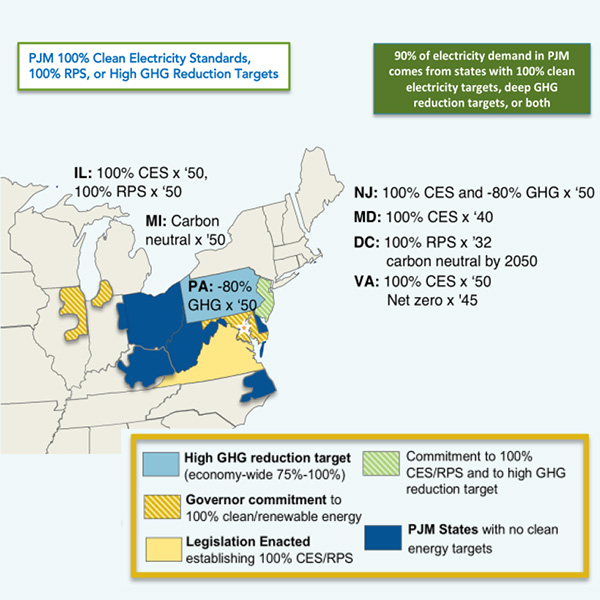
FERC received dozens of comments on the final day for stakeholders to answer questions on the future of PJM’s capacity market.
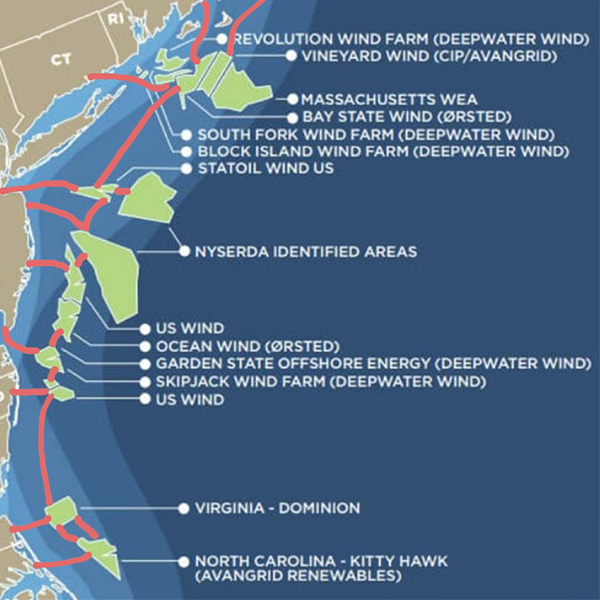
Grid planners must abandon narrow categorizations of transmission projects to allow broader cost allocation, speakers at WIRES meeting said.
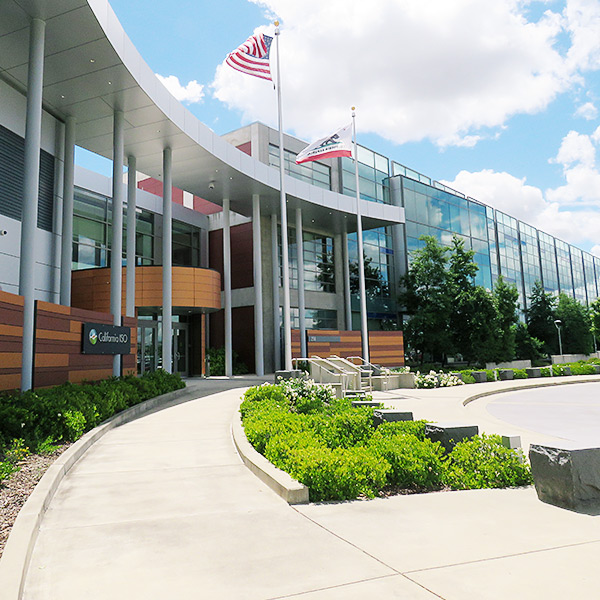
CAISO stakeholders are still wary of the new proposed wheel-through provisions the ISO has submitted to FERC for clarity on the complex issue.
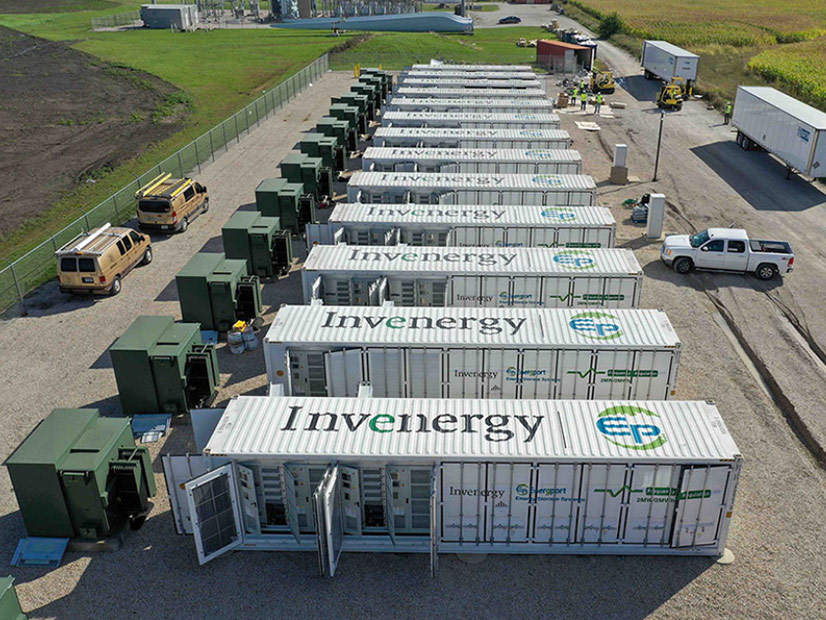
While Midwest states do not have energy storage targets or mandates, the storage market will grow there through integrated resource planning.
AEP CEO Nick Akins expressed his “extreme disappointment” with FERC’s recent proposal to limit a transmission rate adder incenting utilities to join RTOs.
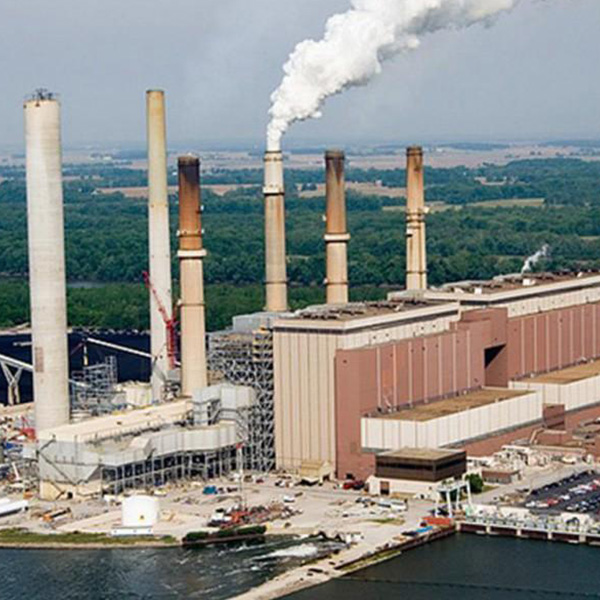
Duke Energy Indiana
Public consumer groups are dismayed over Duke Energy Indiana’s allowing a Singaporean government-owned investment firm to own a 20% stake in the company.
Want more? Advanced Search