Federal Energy Regulatory Commission (FERC)
The Federal Energy Regulatory Commission is an independent agency that regulates the interstate transmission of electricity, natural gas and oil; reviews proposals to build LNG terminals and interstate natural gas pipelines; and licenses hydropower projects. FERC also oversees operations of regional wholesale electricity and natural gas markets and oversees the reliability of the bulk electric system.
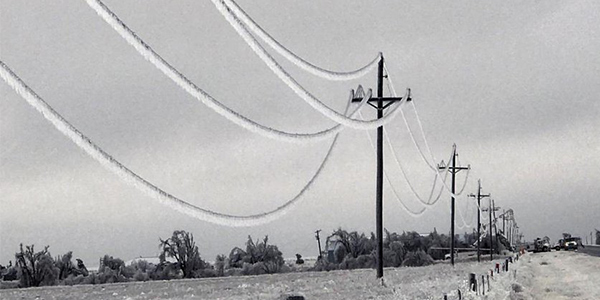
FERC cited the filed rate doctrine on retroactive ratemaking to reject a pair of SPP requests for waivers to resettle billing errors.
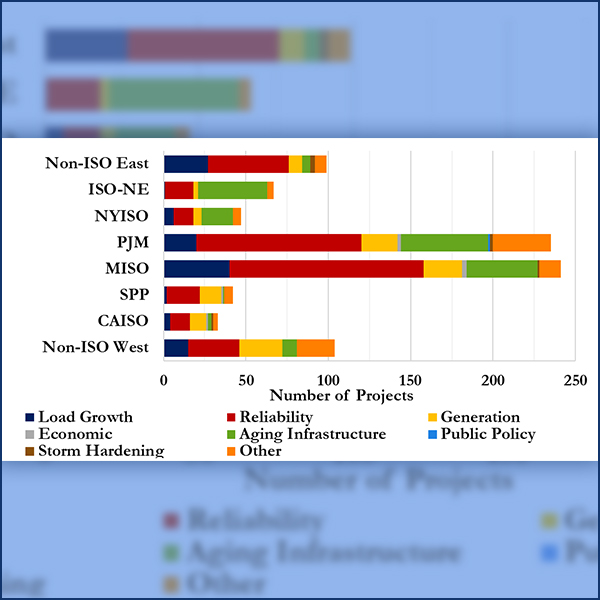
COVID-19 and record hurricane and wildfire seasons made 2020 “a unique and at times challenging year,” FERC said in its State of the Markets report.
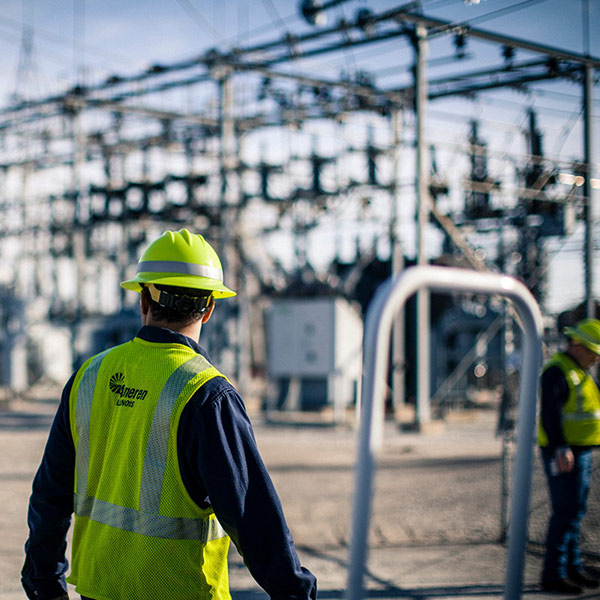
Southwestern Electric Cooperative got a few wins in its challenges to Ameren Illinois’ annual formula rate updates.
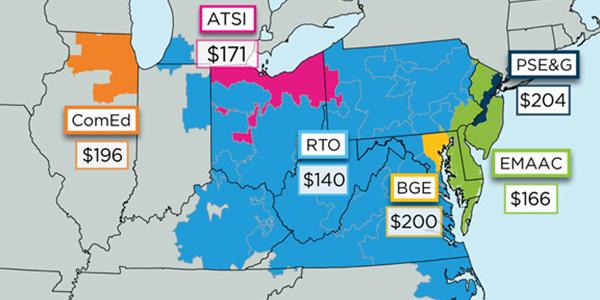
FERC ordered PJM to revise its market seller offer cap to prevent sellers from exercising market power in the RTO’s capacity market.
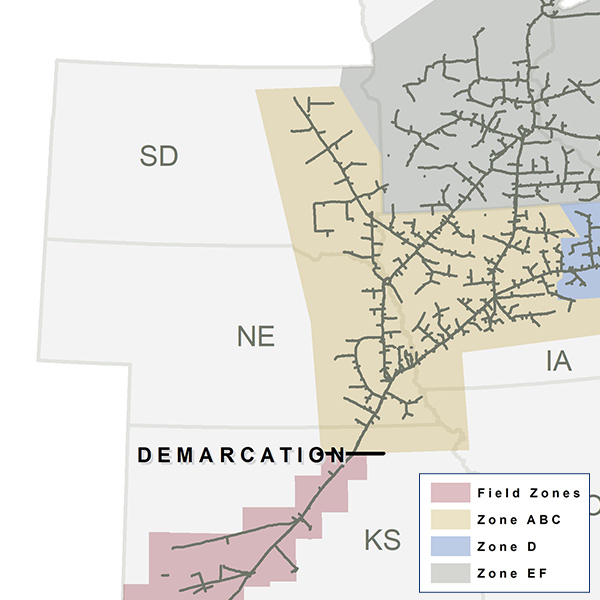
In a shift in commission policy, FERC for the first time assessed the greenhouse gas emissions of a proposed natural gas infrastructure project.
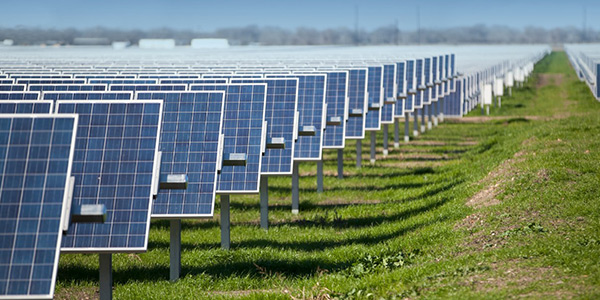
FERC reversed its September order denying a Montana solar hybrid project certification as a qualifying facility because its capacity was too large.
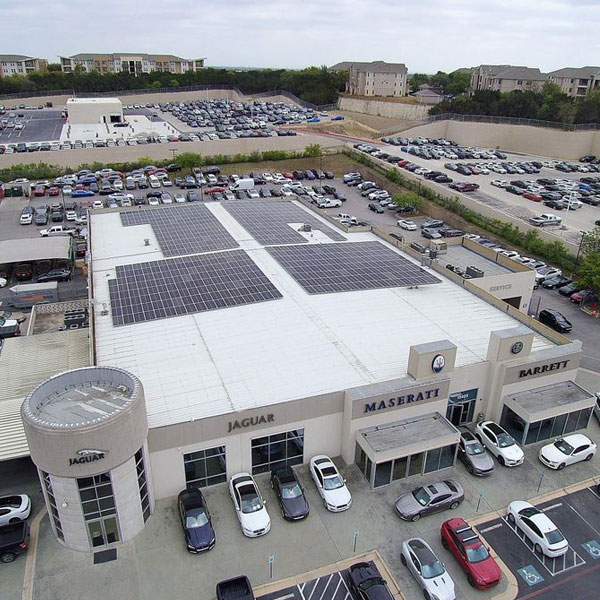
FERC reversed its ruling giving state regulators power to prevent demand response from participating in DER aggregations.
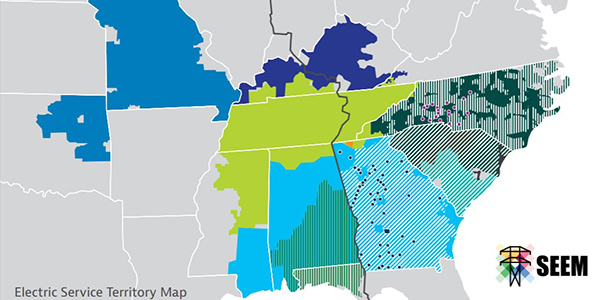
Stakeholders told FERC that the proposed Southeast Energy Exchange Market (SEEM) doesn’t go far enough to increase competition.
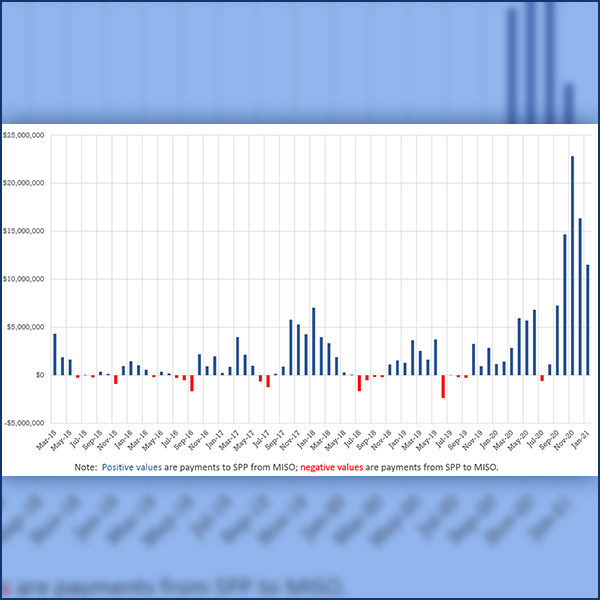
SPP raked in another $27.87 million in market-to-market settlements from MISO during December and January, pushing its total to $168.11 million.

MISO stakeholders were shocked to learn that the RTO needs another few years to allow energy storage to participate in its markets.
Want more? Advanced Search