Federal Energy Regulatory Commission (FERC)
The Federal Energy Regulatory Commission is an independent agency that regulates the interstate transmission of electricity, natural gas and oil; reviews proposals to build LNG terminals and interstate natural gas pipelines; and licenses hydropower projects. FERC also oversees operations of regional wholesale electricity and natural gas markets and oversees the reliability of the bulk electric system.
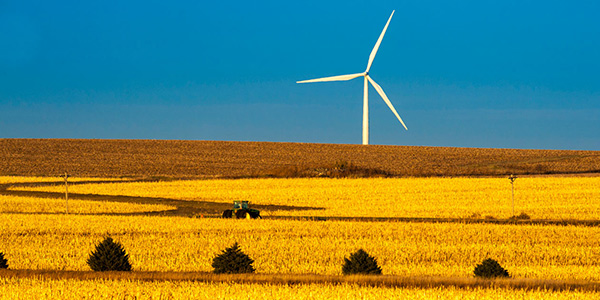
FERC approved unexecuted facilities service agreements for three NextEra Energy wind projects that refused to complete the FSAs in protest of a 2018 order.
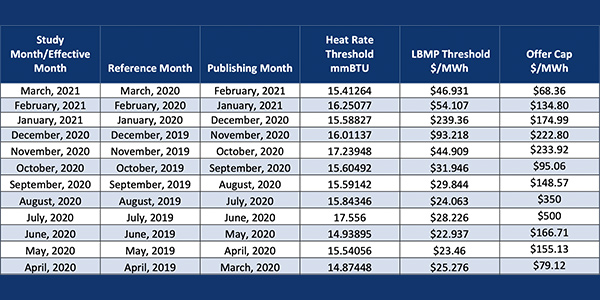
FERC reversed its decision not to exempt commercial demand response programs from NYISO’s BSM rules.
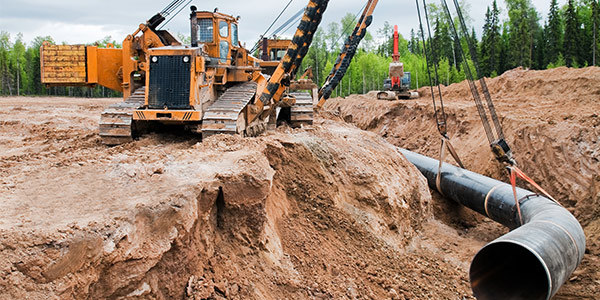
FERC issued another Notice of Inquiry seeking comment on revising its policy on natural gas pipeline certificates & discussed electricity capacity markets.
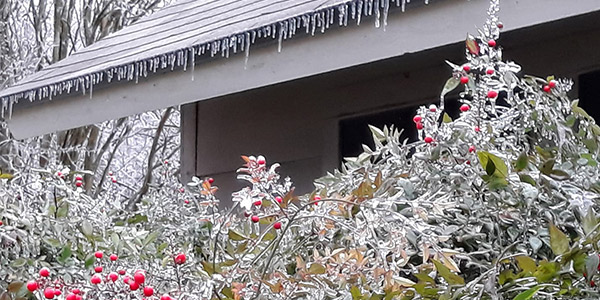
The inability of Midwestern grid operators to recover quickly from extreme winter weather drew customer anger, along with scrutiny from regulators.
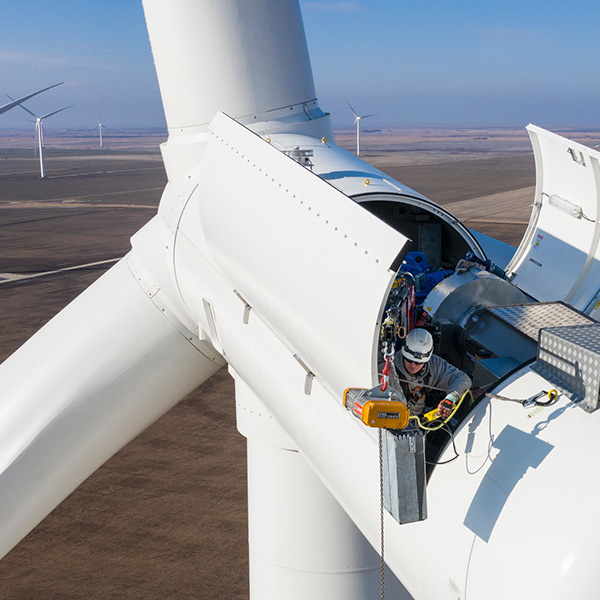
Two FERC commissioners still have heartburn over a 2018 commission order reinstating MISO transmission owners’ rights to self-fund network upgrades.
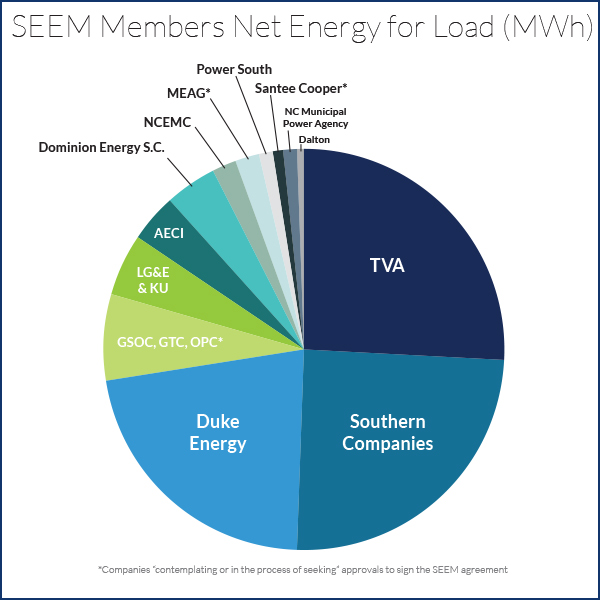
Utilities and co-ops in 11 Southeastern states asked FERC for permission to expand bilateral trading in the region and allow 15-minute energy transactions.
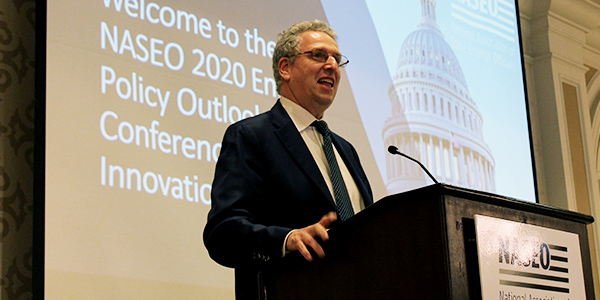
FERC's Richard Glick said he has 5 priorities in his new role, chief among them ensuring electricity market rules don't discriminate against new technology.

FERC approved a settlement requiring Alliance NYGT to pay nearly $900,000 for running plants on natural gas while being reimbursed for kerosene.
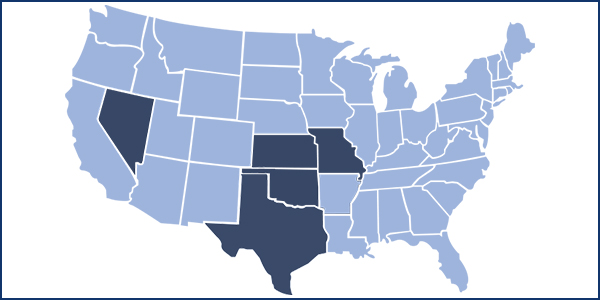
FERC rejected GridLiance High Plains’ proposal to conduct local transmission planning for nonpublic SPP utilities outside of the company’s service territory
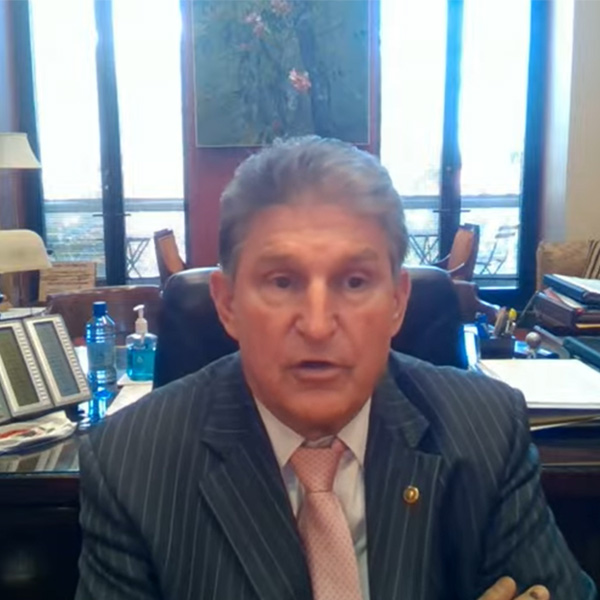
Sen. Joe Manchin expressed confidence the U.S. can reach net-zero carbon emissions by 2050 but insisted commercial-scale CCS must be part of the solution.
Want more? Advanced Search