Federal Energy Regulatory Commission (FERC)
The Federal Energy Regulatory Commission is an independent agency that regulates the interstate transmission of electricity, natural gas and oil; reviews proposals to build LNG terminals and interstate natural gas pipelines; and licenses hydropower projects. FERC also oversees operations of regional wholesale electricity and natural gas markets and oversees the reliability of the bulk electric system.
Center on Global Energy Policy
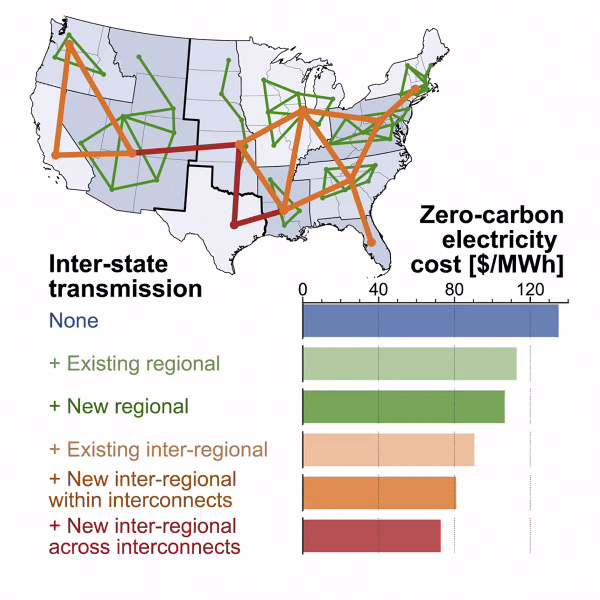
The authors of a new report detailed how, in the absence of action by Congress, the U.S. can build the transmission needed to accommodate renewables.
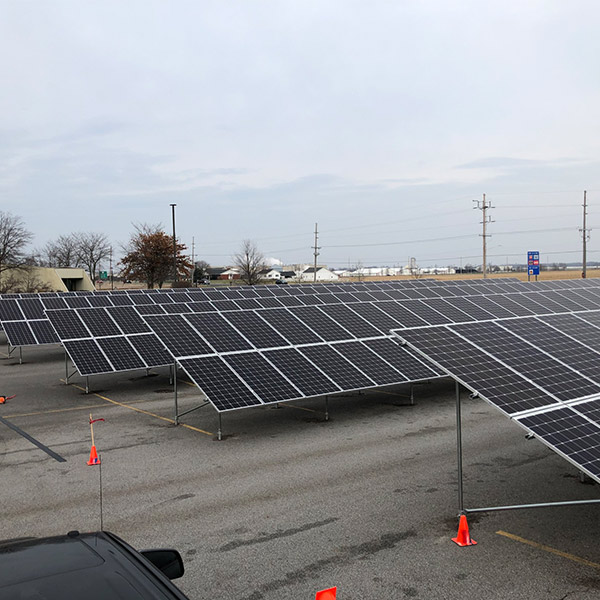
MISO members say the grid operator needs both hard work and new faces to comply with FERC’s distributed energy directive, Order 2222.
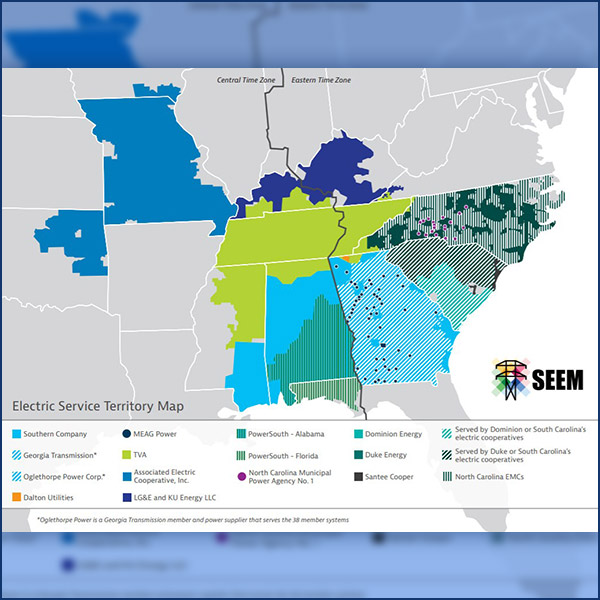
Southeastern utilities and cooperatives, led by Duke and Southern Co., said they will seek FERC approval to launch a 15-minute energy market.
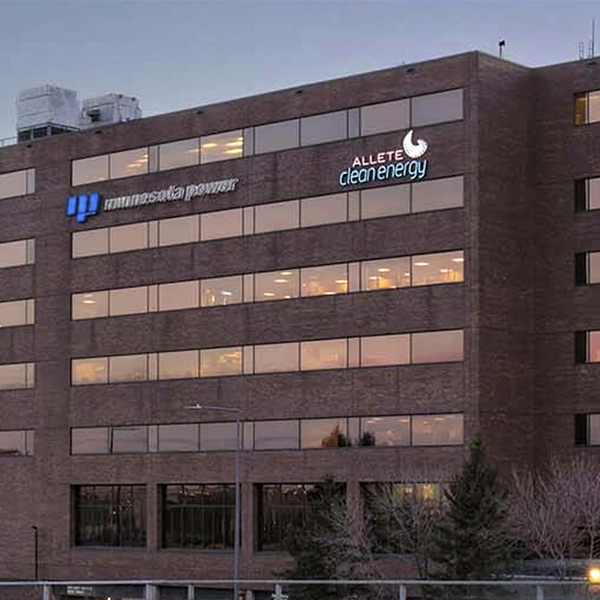
FERC’s Office of Enforcement found that ALLETE overbilled its wholesale transmission customers through improper accounting practices.
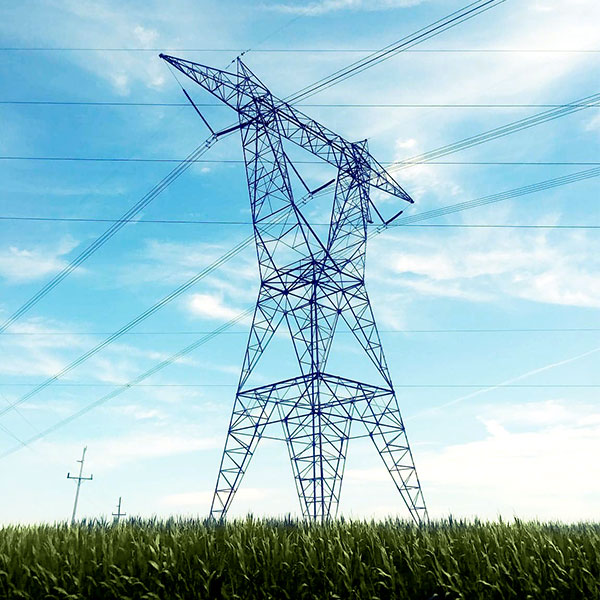
FERC has again turned down LS Power’s argument for a lower voltage threshold on economic transmission projects in the MISO footprint.
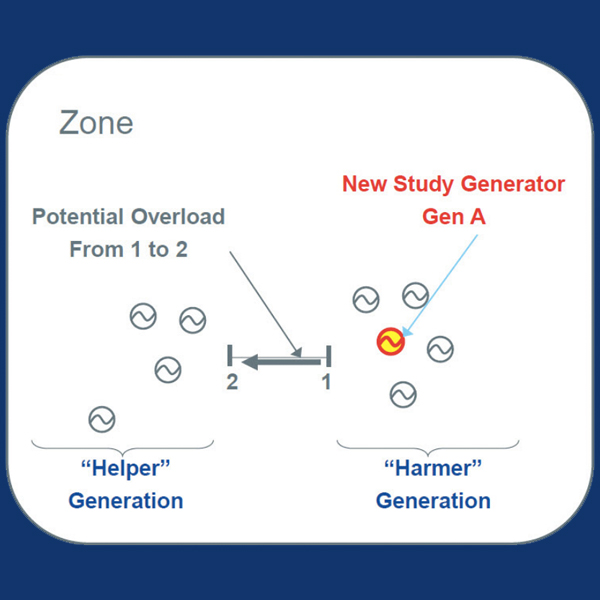
FERC ordered ISO-NE to remove its new-entrant rules for its capacity market, preventing resources from being allowed to lock in their prices.
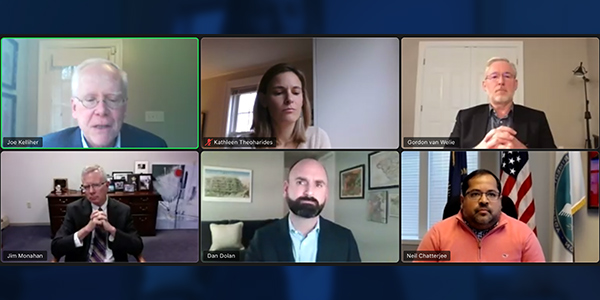
Panelists, including ISO-NE CEO Gordon van Welie, discussed the future of the RTO on the last day of the New England Energy Summit.
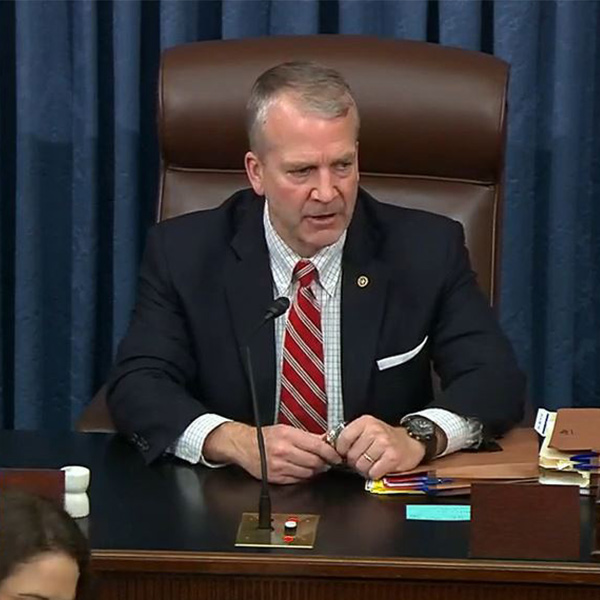
The U.S. Senate quickly confirmed Mark Christie and Allison Clements to FERC by voice vote, restoring the commission to full strength.
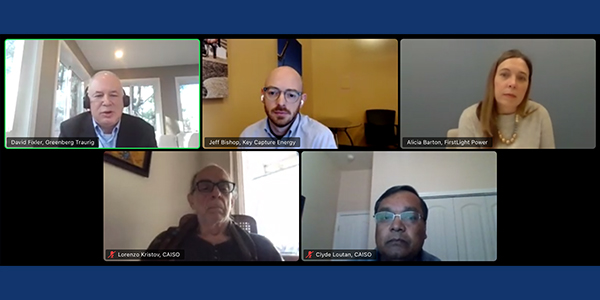
NECA held its 19th Power Markets Conference virtually, featuring three panels discussing the impacts of renewable energy integration.
FERC’s Office of Enforcement opened only six new investigations in FY 2020 and managed to get just $550,000 in penalties from the three it closed.
Want more? Advanced Search