Greenberg Traurig
NYISO
NYISO exceeded its winter baseline peak load forecast on Feb. 7, its COO told the Management Committee.

NYISO
The conversation during a five-hour meeting on changes to NYISO’s transmission planning processes became heated at times, as stakeholders challenged ISO officials on exactly how they will develop the possible scenarios they propose to determine reliability needs.
Yes Energy
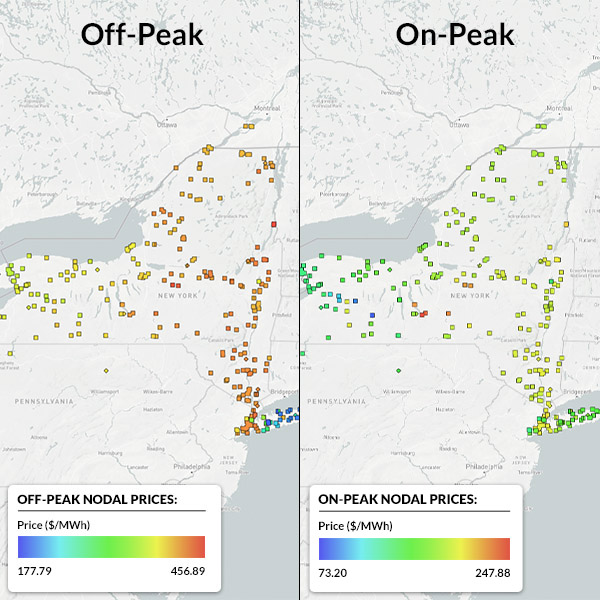
Rising electricity prices in New York are driven by the increased cost of gas because of the ongoing Russia-Ukraine War and increased LNG exports, according to a recent policy paper by NYISO.
NYISO
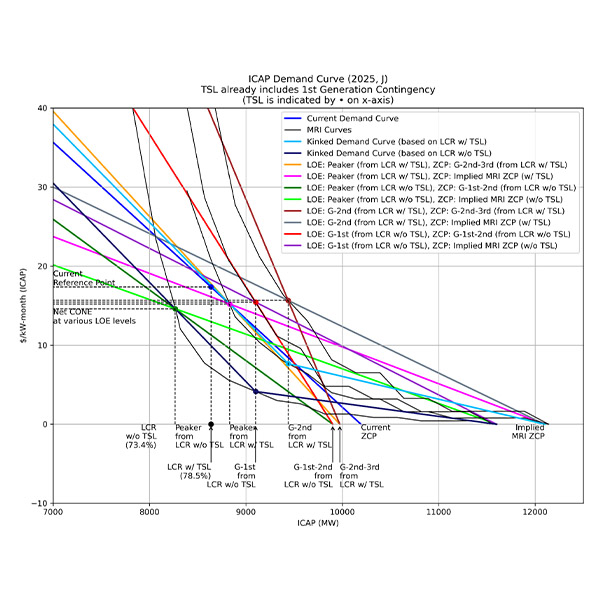
NYISO staff presented more of their initial ideas for improving the Demand Curve Reset process, centered on alternative shapes, slopes and points of the curve.
© RTO Insider
NYISO kicked off the demand curve reset reform process with a discussion of how to improve the overall process and what could be done to strengthen the definition of the proxy unit.
© RTO Insider
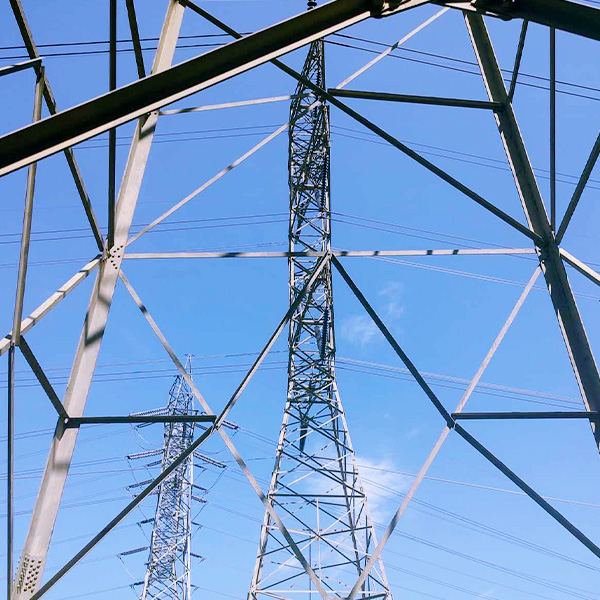
The NYISO Management Committee voted to approve the ISO’s 2025-2034 Comprehensive Reliability Plan, though stakeholders and the Market Monitoring Unit again voiced concerns with how it is structuring its planning.
© RTO Insider
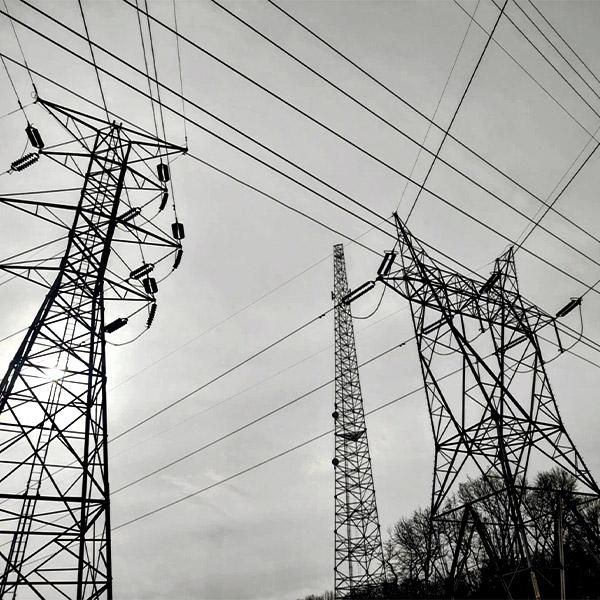
NYISO’s consumer impact analysis for the Winter Reliability Capacity Enhancements project found that under the scenarios it considered, installed capacity procurement costs would drop by 15 to 45% depending on locality
NYISO
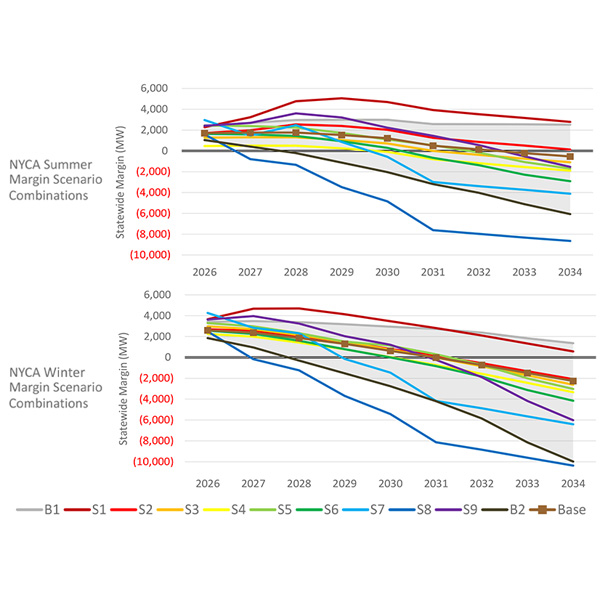
NYISO’s draft 2025-2034 Comprehensive Reliability Plan shows a wide range of possible scenarios for resource adequacy in New York, with the most negative outlook showing a deficit of up to 10 GW by 2034.

Shutterstock
NYISO shared a detailed analysis of New York’s late June heat wave, in which significant operating reserve shortages elevated energy prices.
Plaza Construction
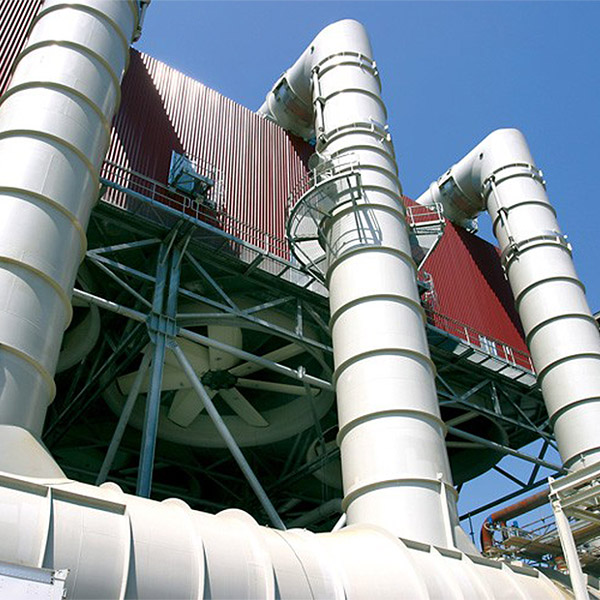
NYISO told stakeholders it was no longer considering seasonal capacity accreditation factors because it found they would disincentivize participation in the capacity market.
Want more? Advanced Search