A “tremendous” growth in resources for ERCOT has resulted in a “significantly lower” probability for an energy emergency alert this summer, according to the Texas Reliability Entity.
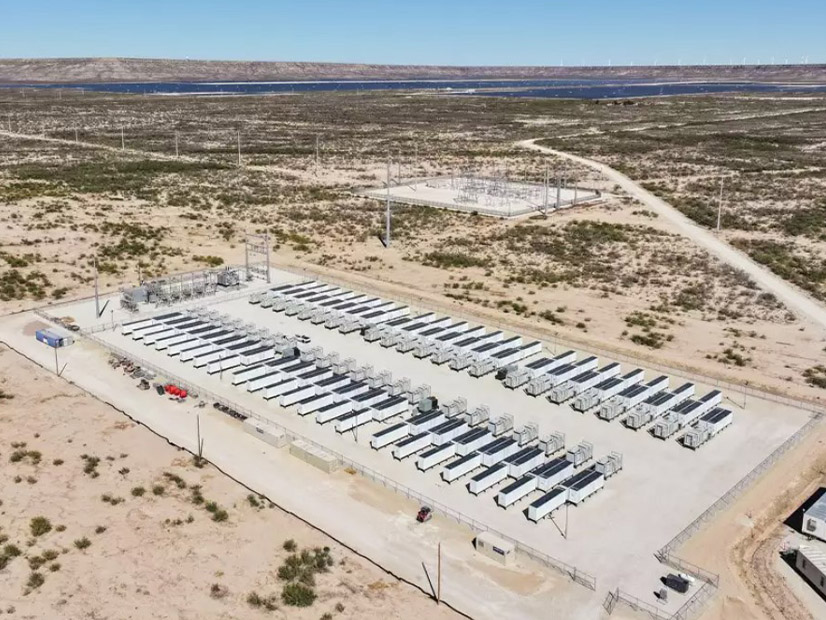
During a May 20 “Talk with Texas RE,” Evan Shuvo, a senior engineer with the organization, said a spike in energy storage resources has substantially lowered the risk level during the early evening hours as solar energy tails off.
“Storing power in these energy storage resources for when demand is high and there is not enough solar generation available will help the reliable operation of our grid,” he said. “There’s a low risk of energy shortage during early evening hours compared to last summer.”
ERCOT has added 7.4 GW of ESRs since summer 2024, Shuvo said. That’s more than half of the 13 GW in increased storage capacity since last summer across NERC’s ERO footprint. Overall, ERCOT has boosted its expected capacity by more than 15 GW.
“We have plenty of reserves under the expected peak conditions,” Shuvo said.
According to the data shared by Texas RE, ERCOT is projecting a 0.7% increase this summer in net internal demand of 81.9 GW, with 3.3 GW in demand response deducted. With the additional resources since 2024, the grid operator will enter the summer months with a prospective reserve margin of 43.9%.
ERCOT’s monthly outlooks for resource adequacy (MORA) for June and July predict it will have a little more than 91 GW each month to meet demand as high as 79.6 GW during the hour of highest risk for reserve shortages (the hour ending at 5 p.m.).
The ISO will release its August MORA on June 6. August tends to be the hottest month in Texas; ERCOT’s record peak of 85.5 GW was set during that month in 2023.
ERCOT has yet to publish its summer outlook — Shuvo said it will be released the last week of May — but the National Weather Service said in April it’s expecting summer 2025 to be among the hottest on record in Texas. The past three summers ranked among the top six hottest summers since 1895. The grid operator set a record for May when average demand peaked at 77.8 GW on May 14.
Shuvo said the Lone Star State’s drought conditions will continue with the precipitation outlook “leaning on the dry side of normal.”
“Conditions like this can contribute to high temperatures,” he said. “This has a very direct impact on the reliability of generation and transmission system elements. Extreme heat can contribute to elevated load levels for prolonged periods and this can lead to reduced transmission line ratings and major derates of thermal resources.”