ISO-NE declared a capacity deficiency, implemented a Power Caution and took extra actions to maintain grid reliability during what may have been the highest peak load since 2013, driven by extreme heat and humidity.
ISO-NE declared a capacity deficiency, implemented a Power Caution and took extra actions to maintain grid reliability during what may have been the highest peak load since 2013, driven by extreme heat and humidity, on the evening of June 24.
ISO-NE entered the day with a slim reserve margin and declared a Power Caution in the early evening “after the unexpected loss of generation left the region short of the resources needed to meet both consumer demand and required operating reserves.”
A Power Caution indicates that the RTO can no longer maintain its reserves through “normal measures.” ISO-NE lifted it at 9 p.m., after the evening peak had subsided, but maintained a precautionary alert of abnormal system conditions, which was instituted June 23 because of the heat.
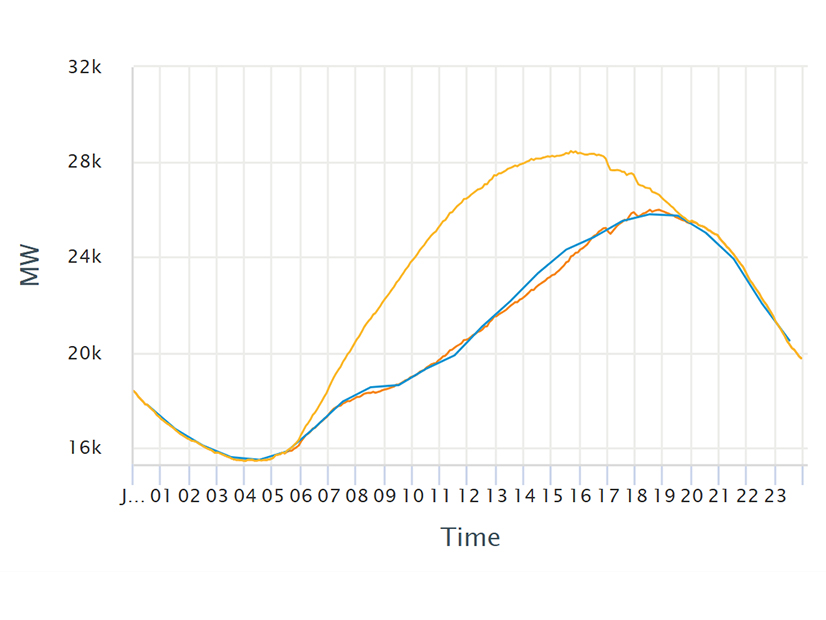
Demand peaked at 26,024 MW around 7 p.m. June 24, according to preliminary data from the RTO. This would be the highest peak demand in the region since 2013 and about 200 MW higher than the forecast peak for the day.
Heading into the summer season, ISO-NE projected a 24,803-MW seasonal peak in typical weather conditions and a 25,886-MW seasonal peak with above-average temperatures.
The sudden generation loss that triggered the Power Caution may have come from a gas resource; just before ISO-NE issued the power caution, gas generation in the region declined rapidly by about 1,000 MW, according to RTO data. During the peak-load period, natural gas accounted for about 45% of the region’s fuel mix, followed by nuclear at 12%, oil at 12%, net imports at 11% and renewables at about 5%.
Behind-the-meter solar also contributed to a significant peak reduction. ISO-NE estimates demand would have peaked at over 28,400 MW without its contributions. BTM solar pushed the peak multiple hours later in the day, from midafternoon to midevening. At 6:50 p.m., with solar production on the decline, BTM solar still contributed to an over-600-MW reduction in the peak.
Locational marginal prices spiked during the capacity deficiency, with the hourly Hub LMP reaching $1,110/MWh between 6 and 7 p.m., more than doubling the day-ahead Hub price of $475/MWh for the same hour.
The extreme temperatures affected most of the country and caused tight system conditions throughout the Northeast on June 24. NYISO issued an Energy Warning late in the day, while PJM issued a Maximum Generation Alert and MISO remained under a Max Generation Warning. (See related stories, NYISO Issues Energy Warning as Heat Wave Boils New York and MISO Declares Max Gen Emergency in Heat Wave.)
Across New England, thousands of distribution customers faced power outages amid the heat wave, which brought temperatures as high as 102 degrees Fahrenheit in Boston, marking the fourth-hottest day on record in the city.