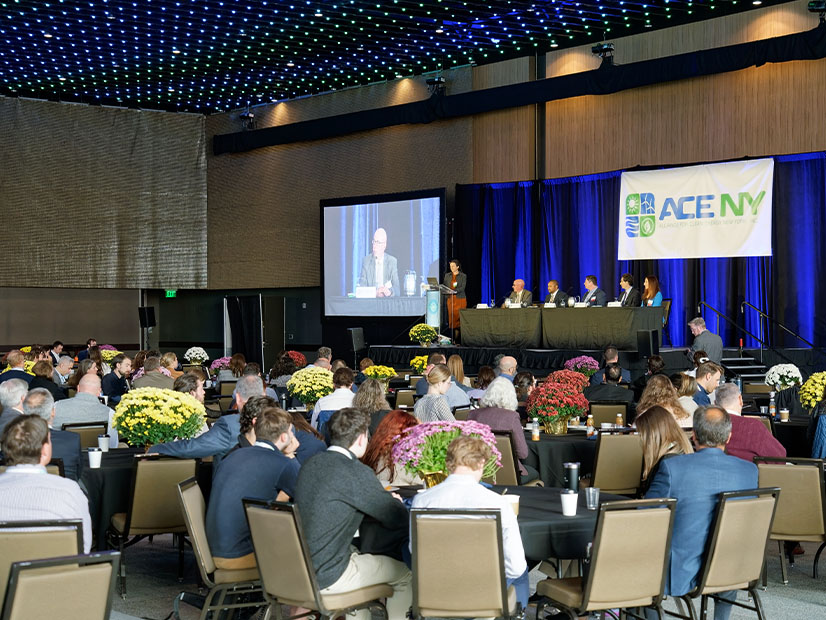
ALBANY, N.Y. — The Alliance for Clean Energy New York’s Fall Conference could well have had a somber atmosphere, given the way 2025 has gone for renewable energy.
But the annual ACE NY event, held Oct. 22-23, drew its largest audience ever, the mood was not somber, and state policymakers and industry leaders offered messages of full support even as they acknowledged the federal roadblocks thrown in their path.
“New York remains a steadfast leader in our work focused on advancing clean energy and environmental protection,” Department of Environmental Conservation Commissioner Amanda Lefton said in a keynote speech. “We have and will continue to achieve nation-leading progress, which is even more important than ever during these unprecedented times.”
Federal interference is the latest setback for a state that has fallen behind on its self-imposed timeline for grid decarbonization. If New York cannot add enough new renewables, it will need to keep some of the oldest fossil-burning plants in the country online longer or even consider new fossil generation, a prospect that is anathema to many state policymakers.
So the effort now is to get renewable projects off the drawing board and into motion in time to qualify for federal 45Y and 48E investment and production tax credits before the window closes next year.
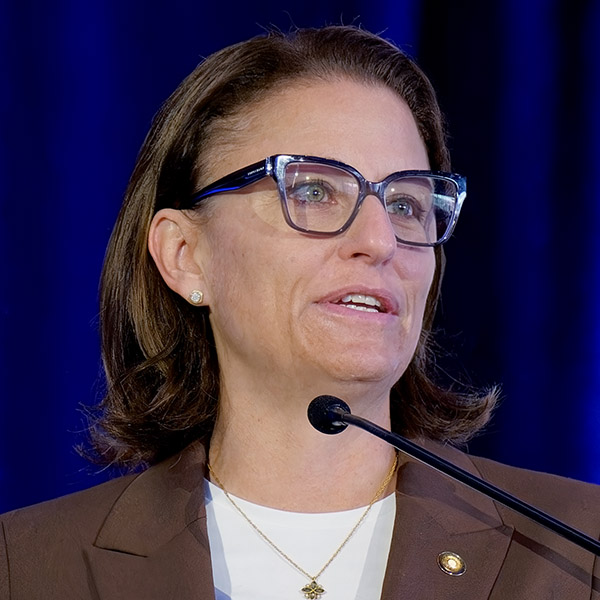
In September, the New York State Energy Research and Development Authority launched a rush solicitation for late-stage large-scale solar and wind projects that could make the deadline. (See Latest N.Y. Renewables Solicitation a Race Against Time.) NYSERDA President Doreen Harris told the conference that industry rose to the occasion.
“The response was just what we needed and just what we wanted. These are projects that are ready to go, that are ready to compete, and ultimately ready to build,” she said Oct. 23, just two days after the first-stage application deadline for the solicitation.
New York and the renewables industry both need these projects to go forward, Harris said, and Gov. Kathy Hochul has committed to an all-of-government push to get as many new megawatts of capacity into the pipeline as possible. “I’d like to assure you that the shifting federal priorities are not impacting the level of ambition that we have as a state,” she said.
Harris said New York has 100 clean energy projects rated at a combined 10 GW in operation or under development; a dozen large-scale projects are under construction in the state or off its coast.
“That’s a huge pipeline. As someone who’s worked in this industry for decades now, that only happens if we have the durability of commitment, purpose and, ultimately, the ability to get through those challenges together,” she said.
Moving Forward
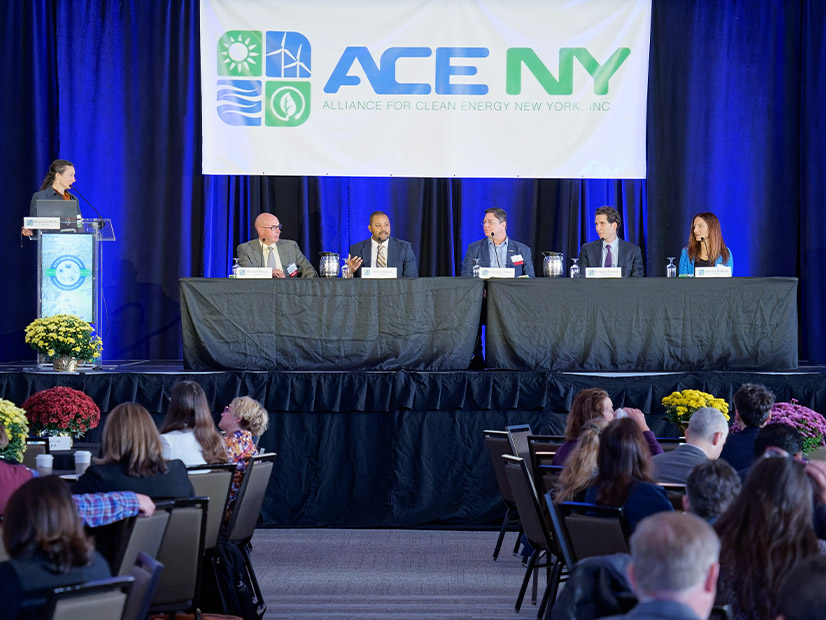
The first panel discussion was populated by the top ranks of power regulation and delivery in New York.
NYISO President Richard Dewey explained the central problem for New York’s grid in detail, and he also framed it succinctly: New clean-energy generation is not keeping pace with retirements and anticipated load growth, and the ISO is having to make some decisions that are unpopular with clean energy advocates.

“We’re getting pretty dangerously close to the margins,” he said. “It’s bad news if a generating station that is polluting the environment needs to stay online. It’s worse news if the lights go out, and that’s really what we’re trying to balance.”
Georges Sassine, NYSERDA’s senior vice president for large-scale renewables, spoke of the scramble unfolding as policymakers try to secure as many clean megawatts as possible before prices jump: “The state of New York has a big role to play in driving industry forward, but we are also, all of us collectively, reacting to this big tectonic shift on the federal front.”
The New York Power Authority is part of the scramble. Its latest mandate — develop at least 1 GW of new advanced nuclear capacity — is still well off in the future. But in the near term, NYPA is trying to maximize the tax credit eligibility of the 64 emissions-free projects in its 7-GW pipeline, Senior Vice President of Development Christopher Hutson said, and devise other funding mechanisms for those that miss out on the credits.
New York’s challenges developing clean energy existed long before President Donald Trump kicked off his campaign against solar and wind energy development in January.
New York is an expensive place to do business, and it typically has had a slow regulatory process for renewable energy development. One obvious example: There still is no official definition of “zero-emissions” power more than six years after the state’s landmark climate law mandated a zero-emissions grid by 2040.
Even attempts to speed things up tend to move at a deliberate pace.
The RAPID Act was signed into law in April 2024 to speed renewables and transmission development. Through great effort, draft regulations were produced in just six months. The draft went through an extensive in-person, virtual and electronic public comment process, then was revised. The revised regulations (24-M-0433) were posted Oct. 22 and are open for public comment though Dec. 8. There is no target date for the Public Service Commission to review the comments then revise and finalize the rules, presumably in 2026.
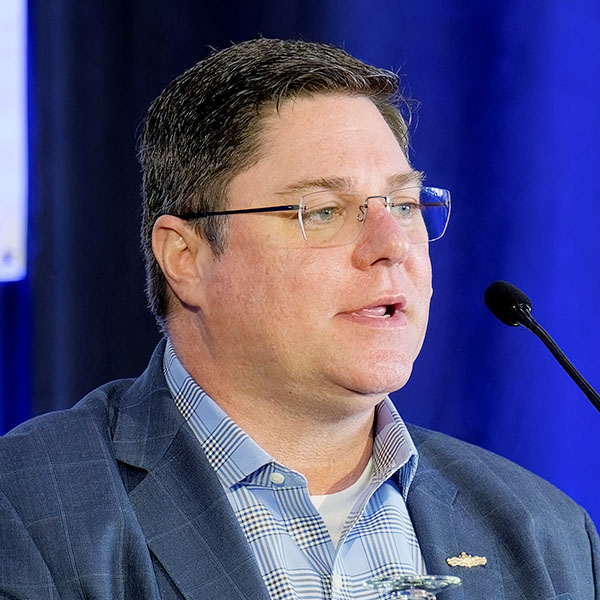
But all this deliberation is a critical part of the process, said Zeryai Hagos, executive director of the state Office of Renewable Energy Siting and Electric Transmission (ORES).
“We received over 2,000 comments” on the RAPID Act draft, he said, “and we got some really excellent feedback.”
The need to make the process work better is real, and it is pressing. A detail stood out for Hagos in NYISO’s latest Power Trends report: “For every megawatt that we add, we’re losing two when we look backwards over the last four or five years. We can’t keep going on that way. We need to be able to build these projects in a more streamlined manner.” (See NYISO Makes Case for Repowering in Latest ‘Power Trends’ Report.)
There will be attrition among the 110 proposals in the ORES pipeline, he said. For starters, about two-thirds have not reached a safe harbor point where they can qualify for the federal tax credits. Some do not have financing or interconnection or REC contracts secured.
But Hagos said the all-of-government approach Hochul directed means every agency will be pulling to get as many of those projects as possible as close to groundbreaking as possible.
“If you take away one thing from my message here, it’s not going to be because of ORES; it’s not going to be because of a New York state agency and our bureaucracy and inefficiencies that these projects don’t achieve their timelines. We are doing everything we can to coordinate and make sure we’re moving things as efficiently as possible.”
Jessica Waldorf, director of policy implementation at the Department of Public Service, spoke of the many and sometimes competing needs facing New York — updating an aging grid, slashing its carbon footprint, expanding its capacity, protecting its ratepayers and factoring in its stakeholders’ opinions — but also told the audience there are multiple efforts to strike the balance.
“We have a lot of challenges ahead, a lot of opportunities to be creative as a state, and that’s what we’re laser-focused on,” she said.
The Headwinds
Land-based wind and solar can continue in New York in the Trump era; it just will be even more expensive than it has been.
Offshore wind, which New York has been counting on as a significant part of its decarbonization strategy, is a higher level of hurt: The federal government controls what happens in U.S. waters.
After two stop-work orders, the Trump administration is — at the moment — allowing work to continue on the five offshore wind farms under construction in U.S. waters but has moved to block any others from starting construction. (See Judge Lifts BOEM’s Stop-work Order on Revolution Wind.)
New York’s own Public Service Commission canceled planning for an offshore transmission network to serve the fleet of wind turbines envisioned off the New York coast, saying there was no point in incurring costs now for transmission for generation that will not be built anytime soon. (See NY Steps Back from OSW, Halts Offshore Tx Planning Process.)
There has been skepticism about whether investors who have been losing money hand over fist will be willing to lay out billions more under a future president who is friendly to offshore wind.
In a bit of exquisitely literal timing a day before the ACE NY conference, JERA Nex BP announced that it was exiting the U.S. offshore wind market and shelving Beacon Wind, the first phase of which once held a New York contract.
None of these things were featured at the conference, where speakers instead cheered the two New York projects under construction and the one already completed, and looked forward to a brighter future after Trump’s second term ends.
“The state’s commitment to offshore wind is emblematic by the fact that our own governor has stood up for these projects in a way that not only kept Empire Wind 1 alive but ultimately allows us to say that offshore wind can and will be a very significant part of our state’s future,” Harris said.
(Empire Wind 2, meanwhile, has been shelved by its developer, and the Trump administration has said it is planning to reconsider the 2024 approval for the second phase of Empire Wind 1.)
Despite all this, New York is arguably the de facto leader among the states pursuing offshore wind, with three wind farms in operation or under construction — two more than any other state.
Oceantic Network CEO Liz Burdock said $25.5 billion has been invested in the U.S. offshore wind sector, and the market fundamentals remain strong. “We will be able to build a comeback in 2028-2029 because of this.”
The details of any such comeback probably are unknowable so far in advance; Burdock offered none. Harris too spoke about the state’s goal but not the means of reaching it in the current environment. Afterward, NYSERDA offered RTO Insider essentially the same thing: policy but not strategy.
“Offshore wind remains a vital part of New York’s all-of-the-above energy policy for the long term,” a spokesperson said.
Three industry speakers framed Trump’s second term as a reset, a chance to fine-tune the approach to offshore wind development.
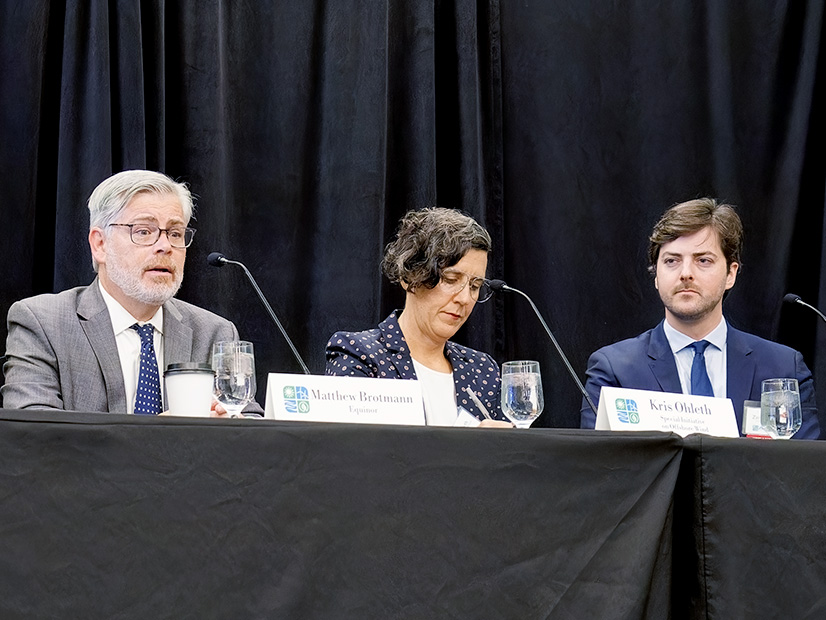
Kris Ohleth, executive director of the Special Initiative on Offshore Wind, revised the old analogy that executing the clean energy transition is like designing and building an airplane while flying it.
Offshore wind is the plane, and it is now grounded, she said, so let’s figure out how to get it back into the air. “This is our opportunity to have that more robust conversation and build some of the fundamentals into the system that maybe we just didn’t have time or knowledge to do previously.”

Better risk management is important to developers, said Zach Fuerst, director of business development for Vineyard Offshore. “New York has done a lot already to help developers and take a lot of feedback from developers about how to mitigate that risk through inflation-adjustment mechanisms that are factored into the contract and the PPA, and those are immensely difficult things to get perfect or to get right.”
Matthew Brotmann of Equinor Renewables America said New York state has been a good partner in the push to develop offshore wind, but in retrospect there are things that could have been done differently. “The expectations on offshore wind were extremely high,” he said. “The expectations were unrealistic, but we were all very enthusiastic, and I was totally on board with that.”
Brotmann and Ohleth said the opportunity exists to shift the narrative from the costs of offshore wind to its benefits — reliable power at a fixed cost in a time of rising demand and rising costs for electricity.
Both also spoke of narrowing the scope of what offshore wind is expected to be: a source of electrons rather than a Christmas tree with a host of ancillary benefits for the state economies and local communities. This might lower the strike price.
Brotmann called for states to collaborate rather than compete on supply chains and infrastructure: “I think it’s going to be essential moving forward because, quite honestly, developers are quite gun shy about trying to invest in large infrastructure without a guarantee of a pipeline, which, given the current administration and who knows what the next administration will be, we can’t guarantee that.”
Fuerst spoke of laying the groundwork for 2029 or 2030.
“I think the resource isn’t going away, and I think the fundamentals of this market don’t go away, and I think what we do over the next three years will be critical as to how quickly the industry is able to move toward building again and really be able to deliver on some of the ambitious targets that New York has for offshore wind and for the climate.”
Interesting Times
Trump-bashing was not on the agenda at the conference, although there were plenty of oblique references to the effects of Trump administration’s policies.
As Harris put it: “Every week is a new adventure when it comes to what the federal government will be doing with respect to clean energy.”
But neither was there an atmosphere of defeat.
As Harris also put it: “I have to say, I am extraordinarily thankful this year and every year to be working in the state of New York, a state which has demonstrated the durability of our commitment, our ability to deliver on what we promise, and ultimately an industry that will only continue to build.”
The resolute messages are to be expected: The attendees for the most part have a significant financial or professional or emotional stake in the continued growth of renewables and are not ready to give up.
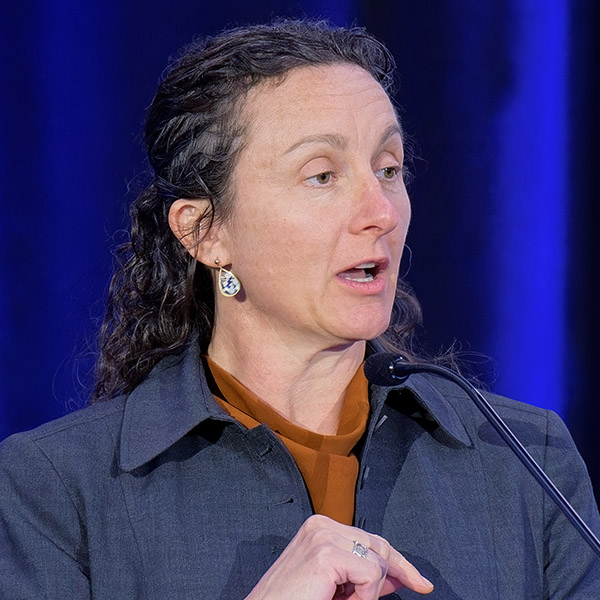
After the conference, ACE NY Executive Director Marguerite Wells told RTO Insider she saw a similarly cheerful tenor six weeks earlier at the RE+ conference in Las Vegas. (See Livewire: Renewables Ready to Out-innovate, Outlast Trump.)
“I think there is a reasonable amount of optimism for the near term, call it the next three or four years, for people who have projects that they can safe harbor equipment and try to get them built in four years before the tax credits expire,” she said. “There is cautious hope that that’s a path. I think the question in everybody’s mind, which I don’t believe anyone has answered, is, what do you do with your pipeline after that?”
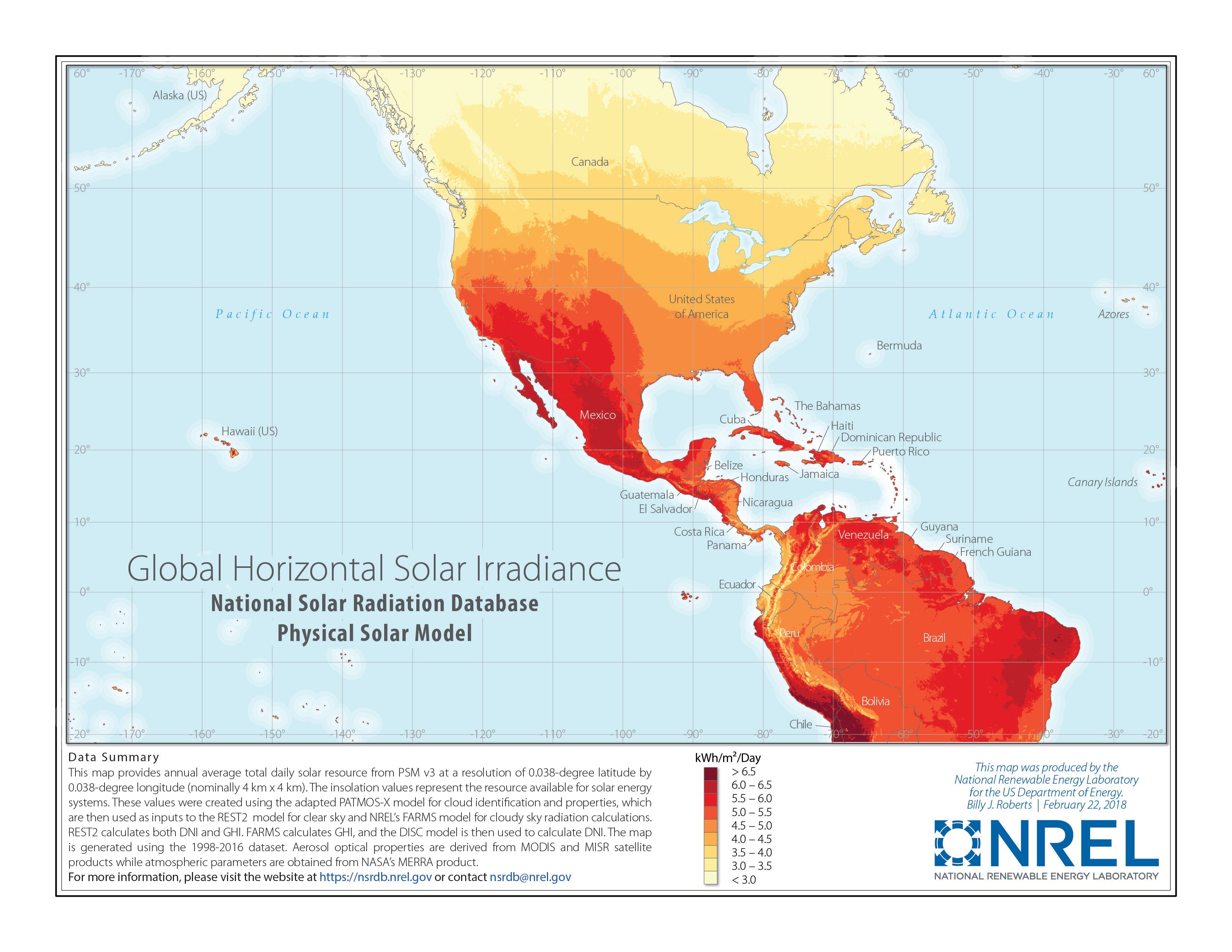
There are factors pulling in opposite directions. The state provides strong support for renewable energy development, and it presents high costs for development. It is also well down in state rankings for solar irradiance and onshore wind speed but has good offshore wind speed.
The state’s 9-GW-by-2035 offshore goal now appears challenging to meet, but the state remains committed to pursuing it, and Wells said that even amid all the damage the Trump administration is inflicting on the U.S. offshore wind sector, there is some cause for optimism for New York. The demand for electricity along the East Coast will only be greater in 2029, she said, and the alternatives to offshore wind — gas turbines and nuclear reactors — are slow to deploy and expensive.
The developers that have shelved offshore wind projects could resume work on them, rather than write off the large investments they have made to date, she added.
“There’s going to be demand for what they have, and for some number of the players, there will be projects to build, assuming a new administration opens things back up again,” Wells said. “There are tons of people who will have fled and licked their wounds and put their money elsewhere after that. There’s a hope that there are some who did not.”