White House
© RTO Insider LLC
A federal judge has ruled the U.S. Department of Energy acted illegally when it terminated several energy grants because they were based in Democratic-leaning states.
Dominion Energy
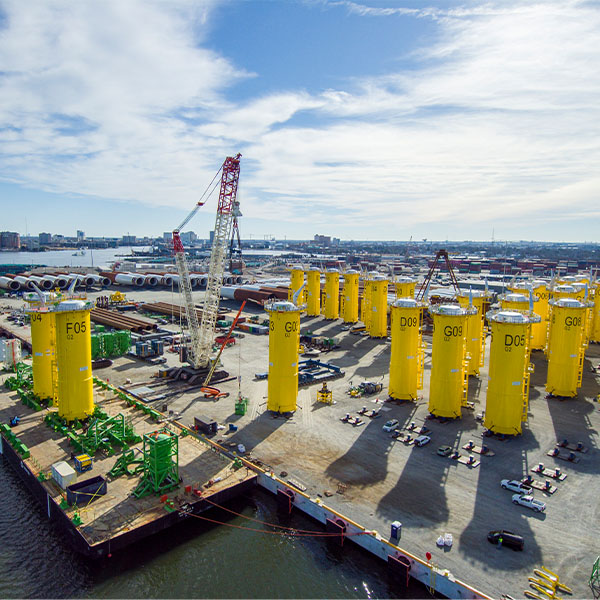
A judge has lifted the stop-work order against Revolution Wind, one of the five offshore wind projects shut down by the Trump administration in December.
House Energy and Commerce Committee
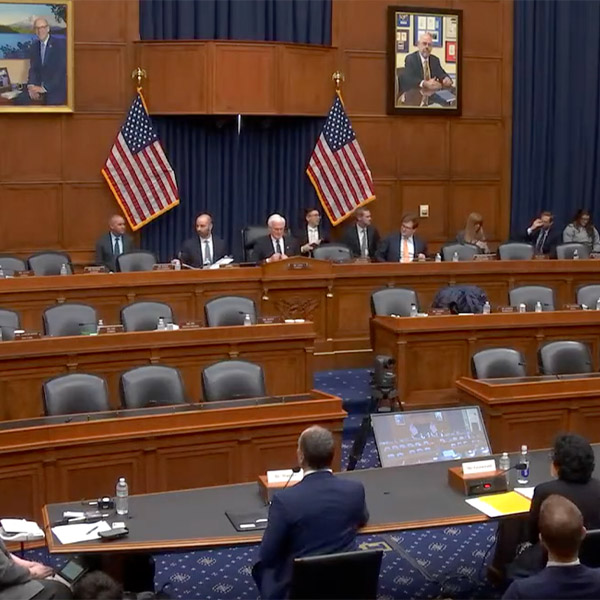
At an oversight hearing on new nuclear capacity, the two parties touted recent bipartisan legislation as helping move things forward, but Democrats said Trump administration cuts and moves to curb the NRC's independence creates crosswinds.

Shutterstock
The renewable energy industry and its advocates have initiated two more lawsuits against the Trump administration over its continuing campaign against wind and solar energy development.

Dominion Energy
The Trump administration has ordered all offshore wind generation construction halted and has stalled some onshore wind projects.
Shutterstock
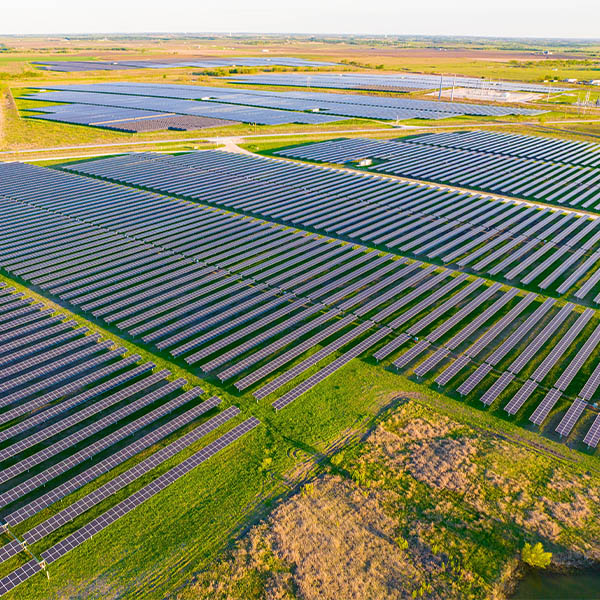
The degree of risk and uncertainty springing from indifferent or outright obstructive new federal policies in 2025 has trimmed planned solar deployment.

Yes Energy
After a long decline in the U.S., coal-fired generation is enjoying strong policy support in the second Trump administration.

Georgia Power
Commercial nuclear energy in the U.S. begins 2026 with strong momentum toward future expansion, but it will be years before new-build capacity comes online and possibly a decade or more before a significant amount of new gigawatts is added to the grid.

Ørsted
An announcement by the U.S. Department of Interior said the Department of Defense had identified wind farms as national security risks and is pausing offshore wind leases.
Shutterstock
The House passed the SPEED Act, which aims to cut the timelines and litigation around NEPA reviews, but Democrats urged their Senate colleagues to improve the bill in a chamber where their votes are needed for passage.
Want more? Advanced Search