Fossil Fuels

Gov. Mikie Sherrill via X
New Jersey Gov. Mikie Sherrill signed two sweeping executive orders that sought to control the state’s aggressively rising electricity rates through ratepayer credits and generation expansion.
Always On Energy Research
Two new studies released by advocates on opposite sides of the clean energy debate reach opposite conclusions about the economic benefits of renewables.
Tri-State Generation and Transmission Association
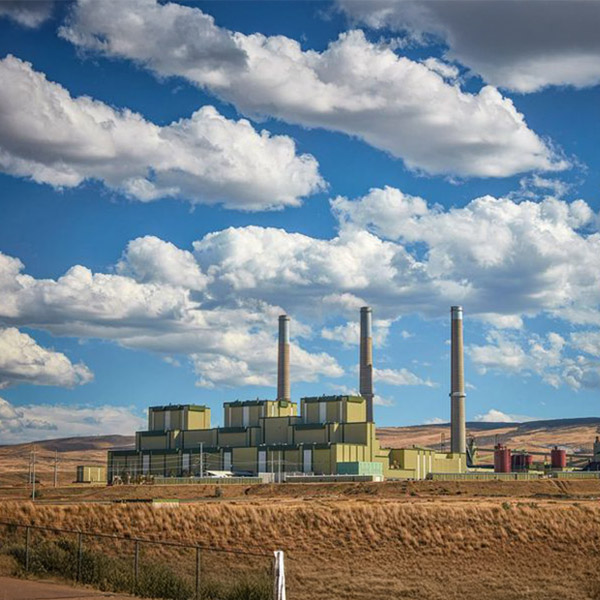
Local elected officials in Colorado are speaking out against the Trump administration’s order to keep the coal-fired Craig Generating Station Unit 1 available to operate past its planned retirement date.
Washington Dept. of Ecology
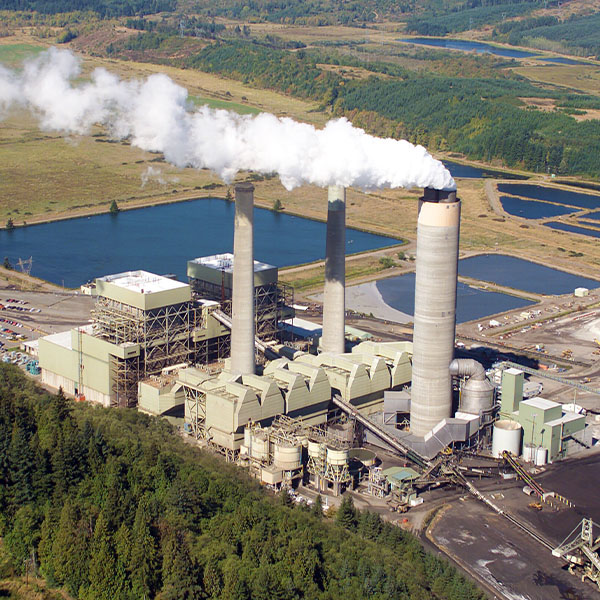
Washington’s attorney general and a coalition of environmental groups have mounted separate challenges to DOE's December decision to order TransAlta to continue operating the state’s last coal-fired plant for three months beyond its scheduled retirement.
EIA
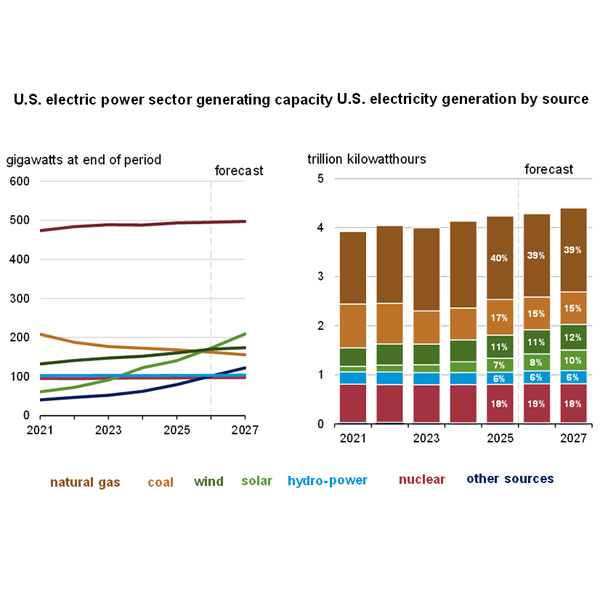
The U.S. Energy Information Administration forecasts the highest power demand growth in a quarter century in 2026 and 2027, due largely to the proliferation of data centers.
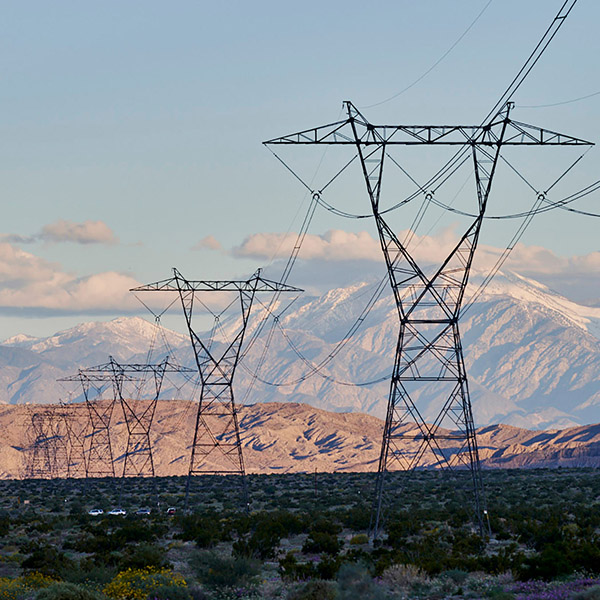
The Imperial Irrigation District
FERC defended Order 1920 against appeals in a brief filed Jan. 5, saying the transmission planning and cost allocation rule is firmly within its authority and builds on previous pathbreaking rulemakings like Orders 888 and 1000.

Yes Energy
After a long decline in the U.S., coal-fired generation is enjoying strong policy support in the second Trump administration.

GE Vernova
With support from the Trump administration and demand from data centers, 2025 and now 2026 are high times for the U.S. natural gas sector.
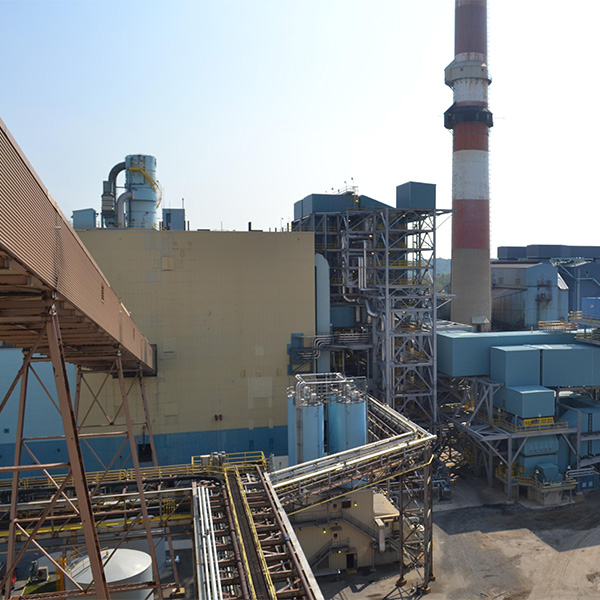
Newkirk Electric Associates
DOE is exceeding its authority by using Federal Power Act Section 202(c) to keep the J.H. Campbell coal plant in Michigan running under several consecutive “emergency” orders, opponents argued in recent court filings with the D.C. Circuit.
Shutterstock
The newest iteration of New York’s energy road map maintains a zero-emission grid as a target but acknowledges an uncertain path to that goal, and likely a longer reliance on fossil fuels.
Want more? Advanced Search