Onshore Wind Power

Shutterstock
A new MIT study posits that while retail electric rates are higher in states that have renewable portfolio standards, the standards are not to blame.
EIA
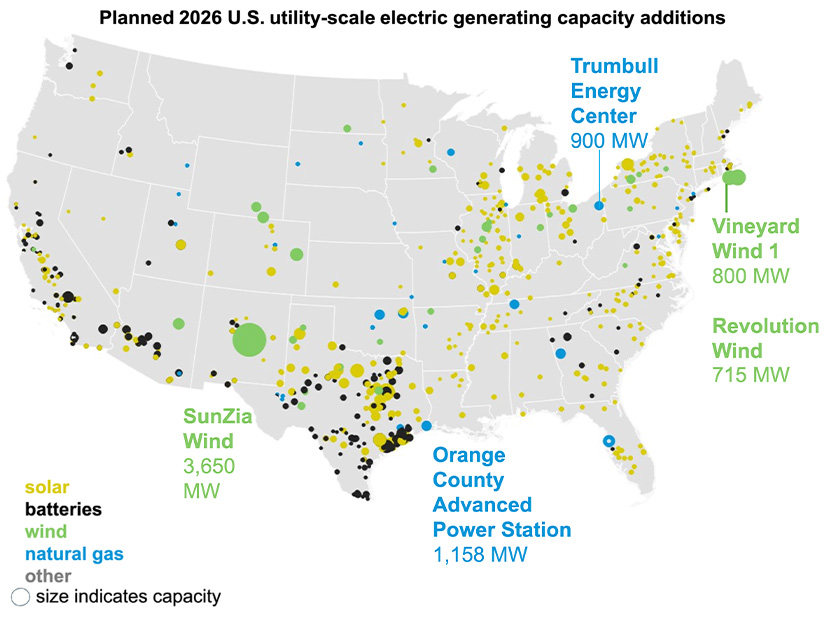
The EIA released a report that said a record 86 GW of utility-scale capacity is projected to be added to the grid in 2026, which if true, would far outpace the 53 GW of capacity added in 2025.
ORES
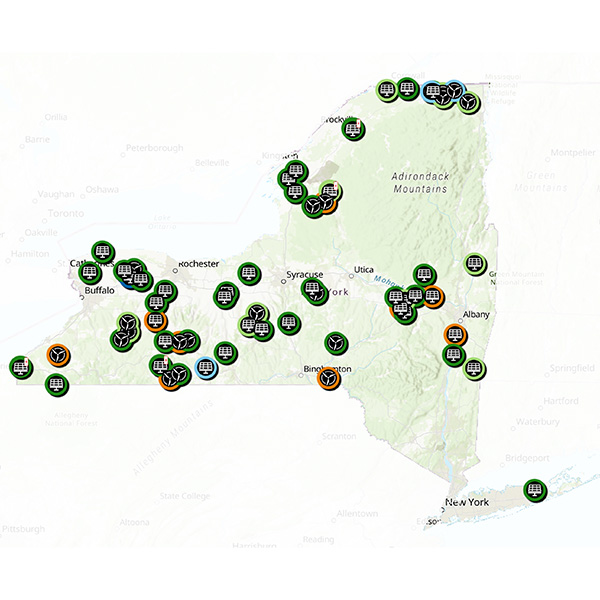
The New York Public Service Commission said the regulations it has approved will reduce permitting time for transmission projects by up to 50%.
NYSERDA
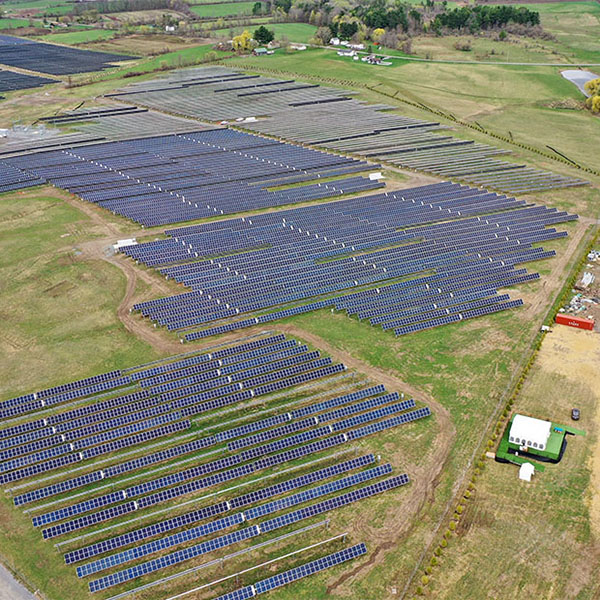
After a decade of intensive policy work and billions of dollars expended, the state’s grid was more reliant on carbon-based fuels in 2024 than in 2014.
Shutterstock
Debates about affordability continue to dominate state-level energy policy debates throughout New England, shifting the focus away from decarbonization, a panel of experienced lobbyists said.
Shutterstock
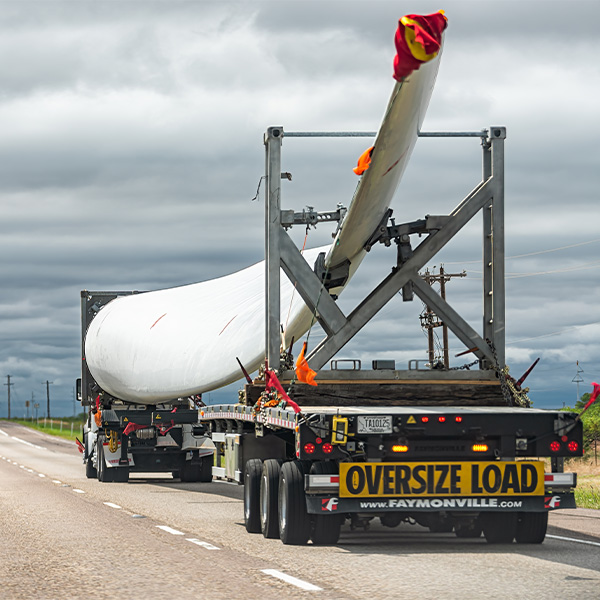
The renewable energy industry and its advocates have initiated two more lawsuits against the Trump administration over its continuing campaign against wind and solar energy development.

Dominion Energy
The Trump administration has ordered all offshore wind generation construction halted and has stalled some onshore wind projects.
Yes Energy
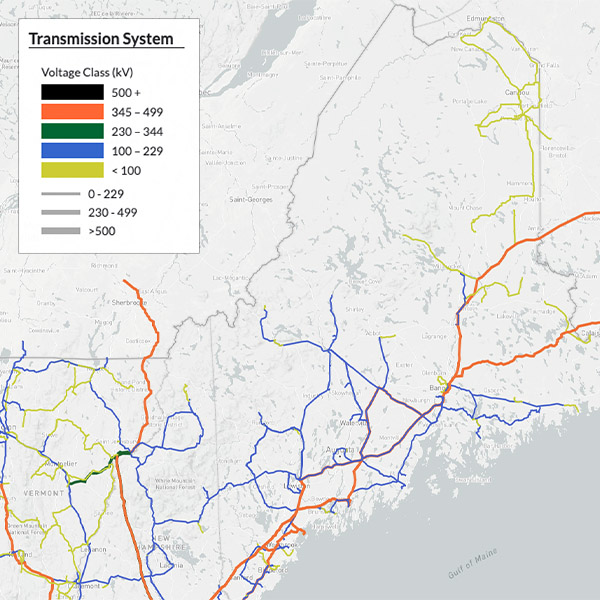
The Maine Public Utilities Commission, in collaboration with the regulators of four other New England states, issued a request for proposals to procure clean energy in northern Maine and 1,200 MW of transmission to connect it to the ISO-NE grid.
Vineyard Wind
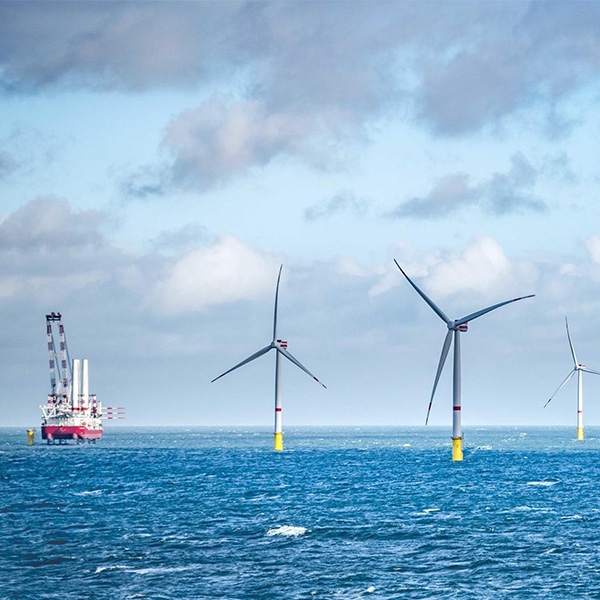
A federal judge ruled that President Donald Trump’s executive order halting onshore and offshore wind power leasing and permitting was unlawful, finding that it violated the Administrative Procedure Act.
American Clean Power Association
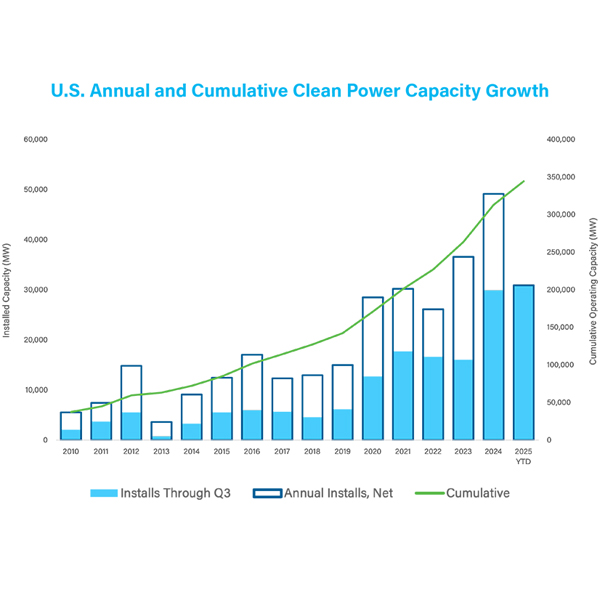
New solar, battery storage and onshore wind power generation totaled 11.7 GW in the third quarter of 2025, the American Clean Power Association reported.
Want more? Advanced Search