NetZero Insider
Agriculture & Land UseBuilding DecarbonizationCookingEnergy EfficiencySpace HeatingWater HeatingCommentary & Special ReportsConference coverageCompany NewsEquity & EconomicsEmployment & Economic ImpactEnvironmental & Social JusticeFederal PolicyCongressDepartment of EnergyLoan Programs Office (LPO)Department of TransportationEnvironmental Protection AgencyFederal Energy Regulatory CommissionGeneral Services Administration (GSA)Interior DepartmentBureau of Land ManagementBureau of Ocean Energy ManagementNuclear Regulatory CommissionTreasury DepartmentWhite HouseGeneration & FuelsBioenergyFossil FuelsCoalNatural GasGeothermalHydrogenNuclearSMRRenewable PowerCommunity solarHydropowerOffshore Wind PowerOnshore Wind PowerSolar PowerRooftop solarUtility scale solarImpact & AdaptationIndustrial DecarbonizationState and Local PolicyAlabamaArizonaCaliforniaCA LegislationCalifornia Air Resources Board (CARB)California Energy Commission (CEC)California Public Utilities Commission (CPUC)ColoradoConnecticutDelawareDistrict of ColumbiaFloridaGeorgiaHawaiiIdahoIllinoisIndianaKentuckyLouisianaMaineMarylandMassachusettsMichiganMinnesotaMississippiMissouriMontanaNevadaNew HampshireNew JerseyNew MexicoNew YorkNYSERDAPublic Service CommissionNorth CarolinaNorth DakotaOhioOntarioOregonPennsylvaniaRhode IslandSouth CarolinaTennesseeTexasUtahVermontVirginiaWashingtonWest VirginiaWisconsinWyomingTechnologyCarbon CaptureTransmission & DistributionEnergy StorageMicrogridsTransportation DecarbonizationAirplane DecarbonizationEV chargersHeavy-duty vehiclesBattery Electric Buses (BEB)Fuel Cell Electric Buses (FCEB)Light-duty vehiclesBattery Electric VehiclesFuel Cell VehiclesPlug-in hybrid electric vehiclesShip electrificationClean Ports
© RTO Insider
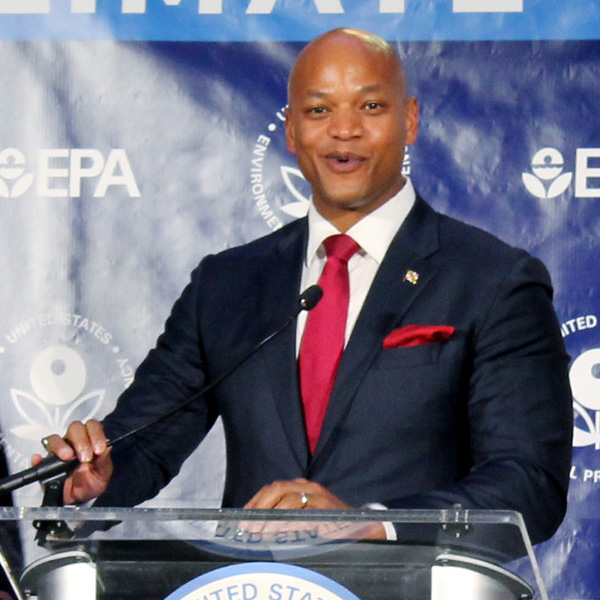
Gov. Wes Moore issued an executive order calling for reforms to boost electricity supply and ensure affordability, which will be implemented in part by the new executive director at the Maryland Energy Administration, Kelly Speakes-Backman.
EMC Engineering Services
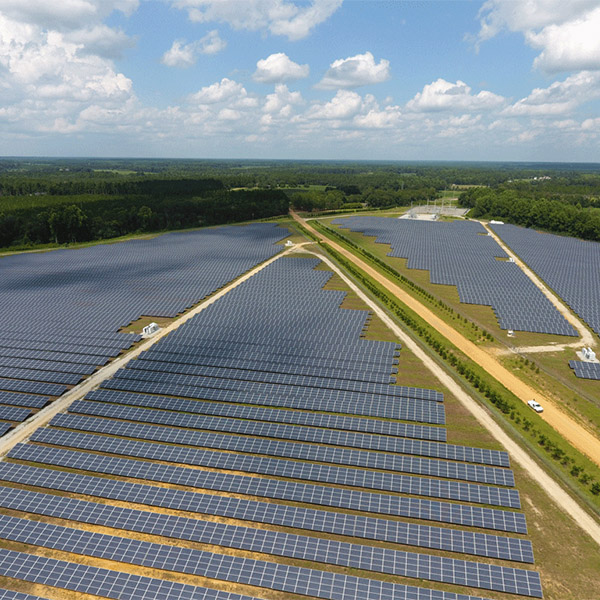
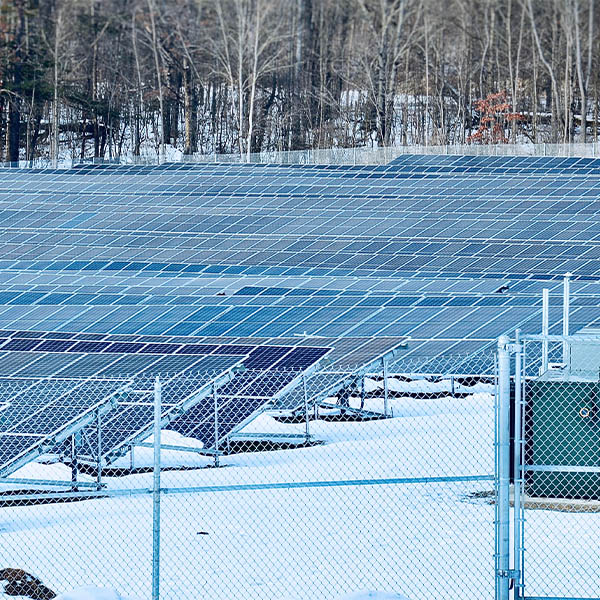
Representatives of Connecticut, Maine, Massachusetts and Vermont have selected a cumulative 173 MW of new solar generation through a coordinated procurement process.
Shutterstock
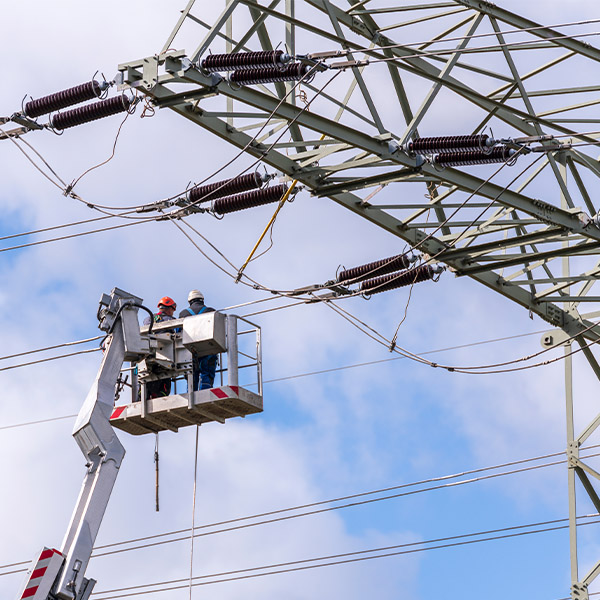
The House passed the SPEED Act, which aims to cut the timelines and litigation around NEPA reviews, but Democrats urged their Senate colleagues to improve the bill in a chamber where their votes are needed for passage.
Shutterstock
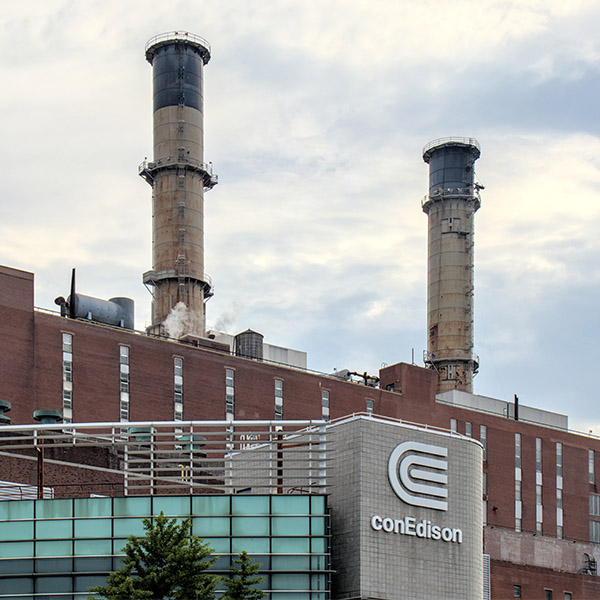
Consolidated Edison has been tasked with creating a contingency plan to avert the energy shortfall that it and NYISO have warned may develop in New York City.
Shutterstock
The newest iteration of New York’s energy road map maintains a zero-emission grid as a target but acknowledges an uncertain path to that goal, and likely a longer reliance on fossil fuels.

© RTO Insider LLC
House Republicans amended the SPEED Act on its way to a floor vote, in order to allow the Trump administration to keep repealing Biden-era permits for offshore wind, which led renewable energy groups to drop support for the bill.
Flo Charging Stations
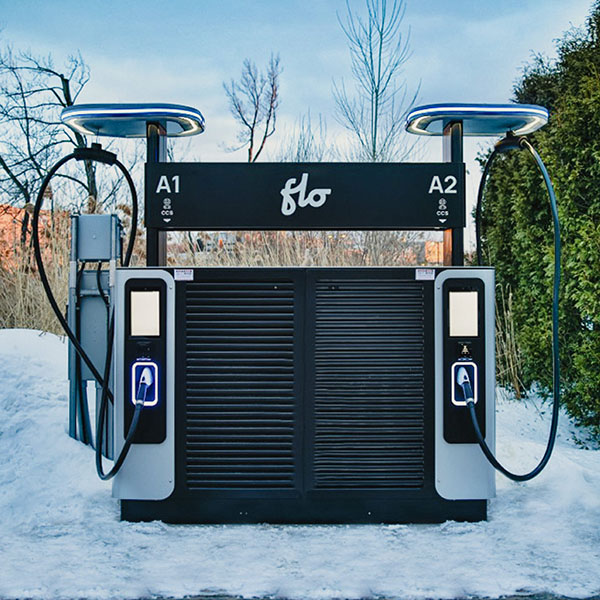
Sixteen states and the District of Columbia sued the Trump administration in an effort to recover billions of dollars in funding for EV charging infrastructure.

xAI
Data center developers’ imperative of speed to market not only stresses the power grid but also is felt on the ground as the giant facilities — often paired with onsite generation — spring up in neighborhoods overburdened by pollution.

Con Ed
Storm surge events like Sandy offer insights into what the worst of sea level rise may do to an area’s infrastructure and how the power industry needs to think about this slow-moving but inevitable threat, says columnist Dej Knuckey.
Solar Energy Industries Association
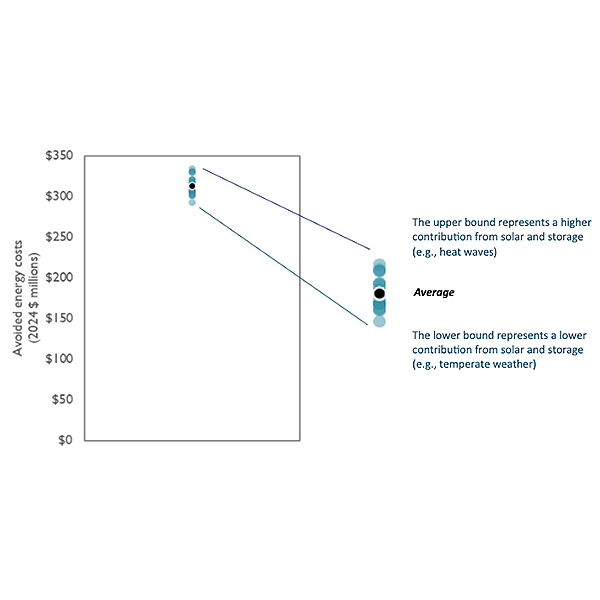
A new report estimates that solar and battery storage growth in New England between 2025 and 2030 could reduce wholesale energy costs across the region by about $684 million annually by 2030.
Want more? Advanced Search