Georgia
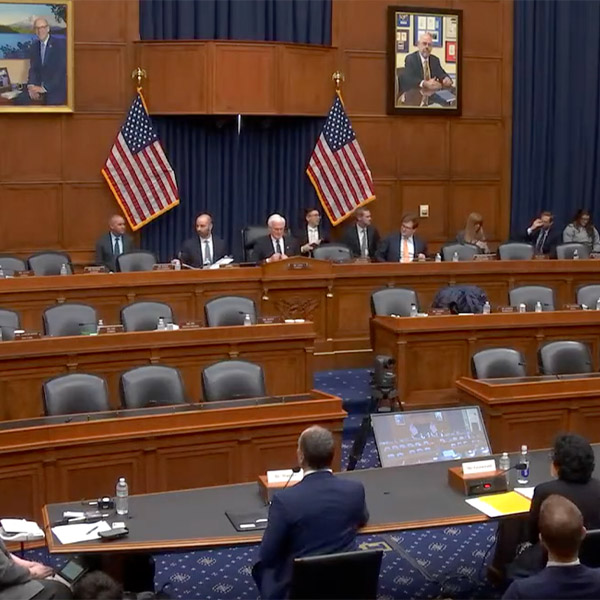
House Energy and Commerce Committee
At an oversight hearing on new nuclear capacity, the two parties touted recent bipartisan legislation as helping move things forward, but Democrats said Trump administration cuts and moves to curb the NRC's independence creates crosswinds.
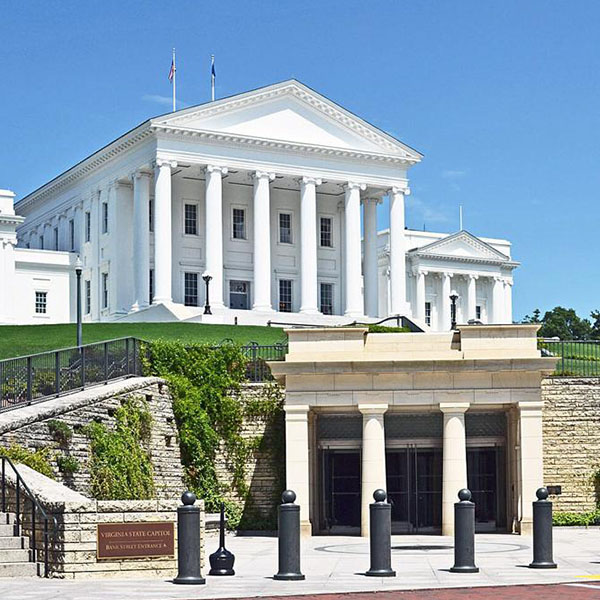
Virginia Department of Historic Resources
Democrats won elections in Virginia and Georgia that have implications for energy policy: offshore wind and data centers in Virginia and affordability in both.
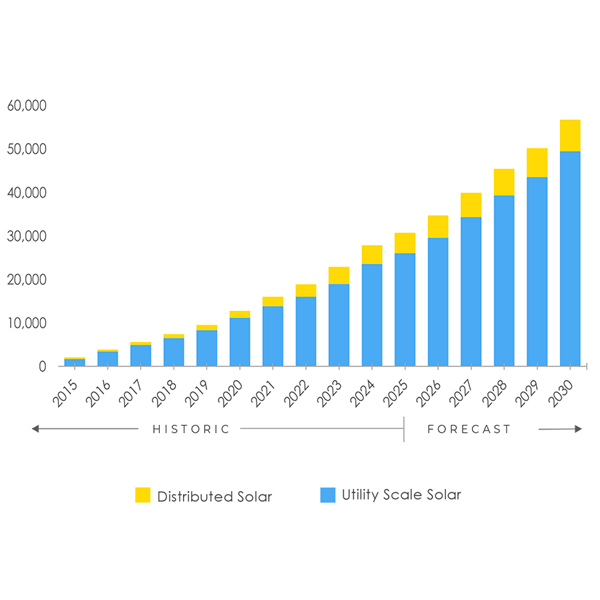
Southern Alliance for Clean Energy
Solar power generation will expand strongly but not uniformly in Southeast states through the 2020s, the Southern Alliance for Clean Energy says in its annual solar report.

Georgia Power
Georgia Power will add at least 6 GW of new generation capacity by 2031, and potentially as much as 8.5 GW, under its recently approved integrated resource plan.
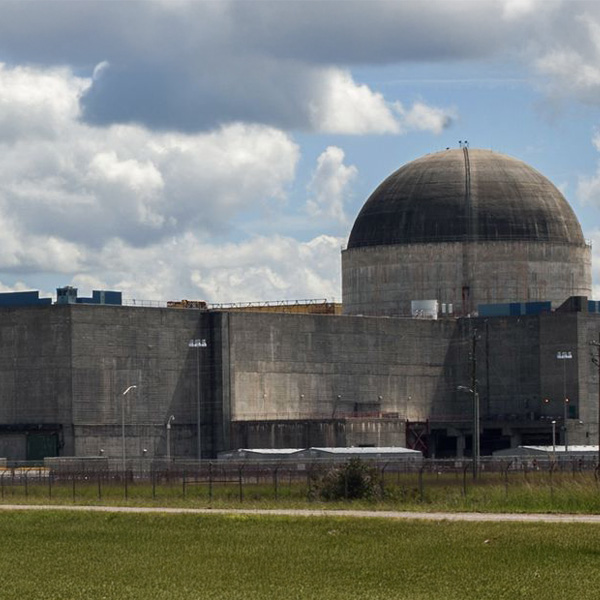
Duke Energy
Duke Energy is considering nuclear for its long-term plans, but it may take decades before the resource is being installed at scales similar to gas plants, solar or wind today.

U.S. Department of Transportation
The rescinded memo specifically recognized states’ authority to “determine which of their projects shall be federally funded by federal-aid highway formula dollars.”
Georgia Power
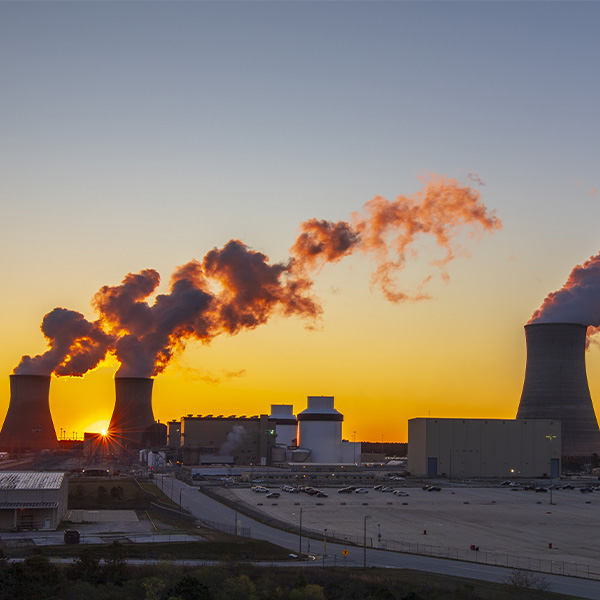
Georgia’s largest electric utility said the moves are driven by 8.2 GW of anticipated load growth through the end of 2030
EPRI
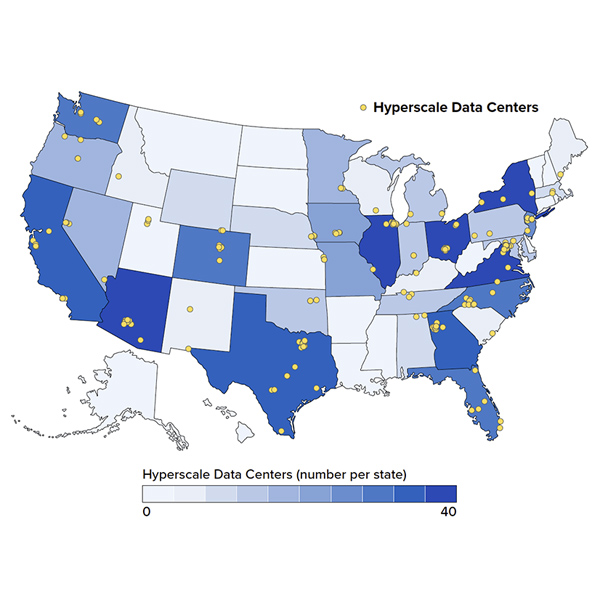
The burgeoning power demand from data centers and artificial intelligence can be met by other means than new natural gas-fired power plants, according to a new report from the Electric Power Research Institute.
Shutterstock
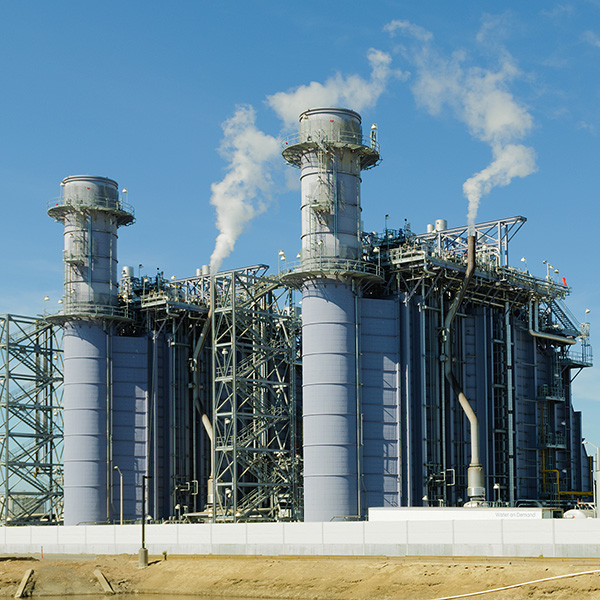
A DOE report on resource adequacy says firms investing in natural gas capacity could be retrofitted with carbon capture and storage, or the ability to burn clean hydrogen.
NERC
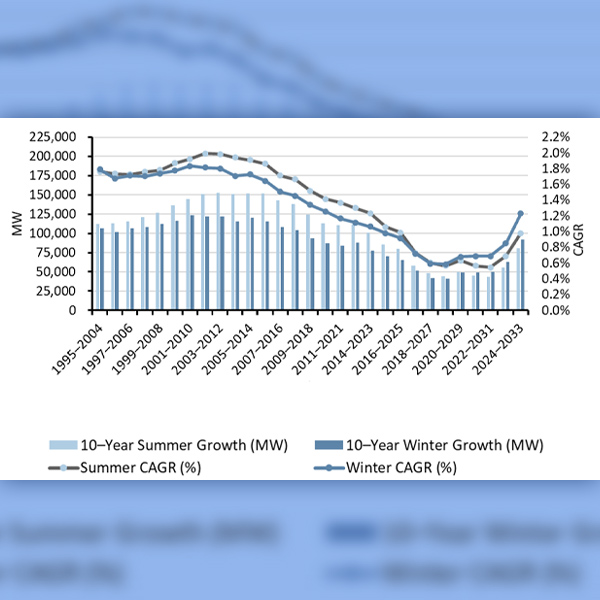
The Washington Post’s warning that “America is running out of power” lacks context and distracts us from the real work at hand, says columnist Steve Huntoon.
Want more? Advanced Search