State and Local Policy
AlabamaArizonaCaliforniaCA LegislationCalifornia Air Resources Board (CARB)California Energy Commission (CEC)California Public Utilities Commission (CPUC)ColoradoConnecticutDelawareDistrict of ColumbiaFloridaGeorgiaHawaiiIdahoIllinoisIndianaKentuckyLouisianaMaineMarylandMassachusettsMichiganMinnesotaMississippiMissouriMontanaNevadaNew HampshireNew JerseyNew MexicoNew YorkNYSERDAPublic Service CommissionNorth CarolinaNorth DakotaOhioOntarioOregonPennsylvaniaRhode IslandSouth CarolinaTennesseeTexasUtahVermontVirginiaWashingtonWest VirginiaWisconsinWyoming

Elliott Bay Design Group/ABB
Maine's Casco Bay Lines has proposed an energy storage project for its new electric ferry, but some stakeholders oppose Central Maine Power's involvement.

formulanone, CC BY-SA-2.0, via Wikimedia
Despite programs and resources that address high residential energy costs in Connecticut, there remain obstacles to accessible solutions.
RTI International for NCSEA
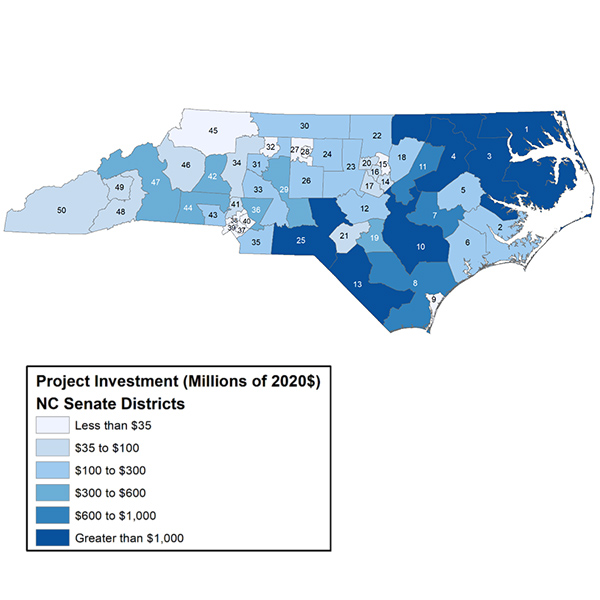
Clean energy investments in North Carolina ballooned from $56.5 million in 2007 to $19.8 billion in 2020, according to a new report.
DOE
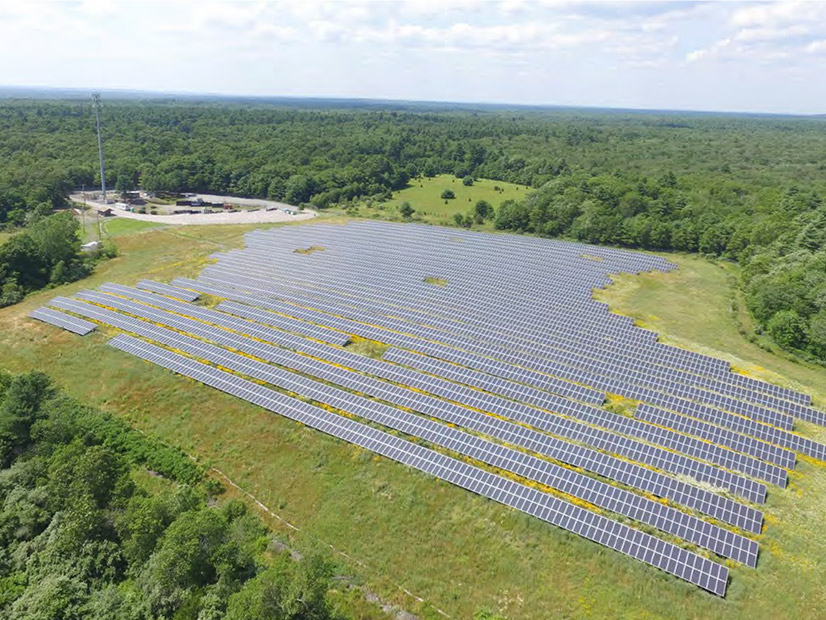
Redeveloping closed landfill sites into solar energy generating facilities could be part of Minnesota's conversion to a carbon-neutral energy economy.
ChargePoint
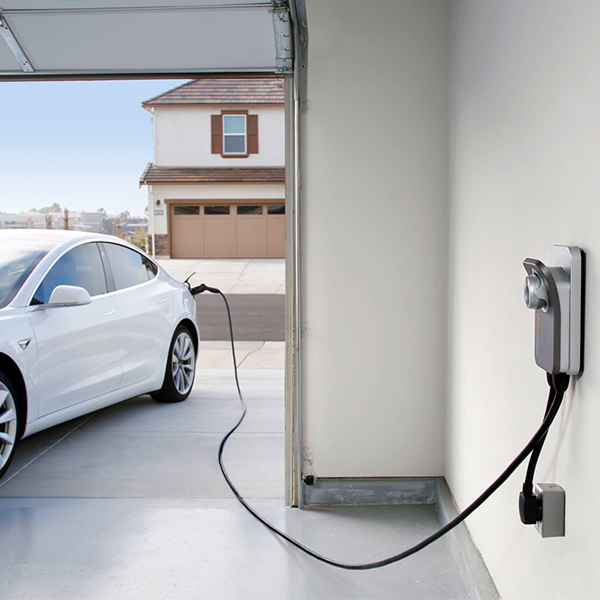
Connecticut regulators are proposing the development of a nine-year EV charging equipment deployment program starting in January 2022.
SunCommon
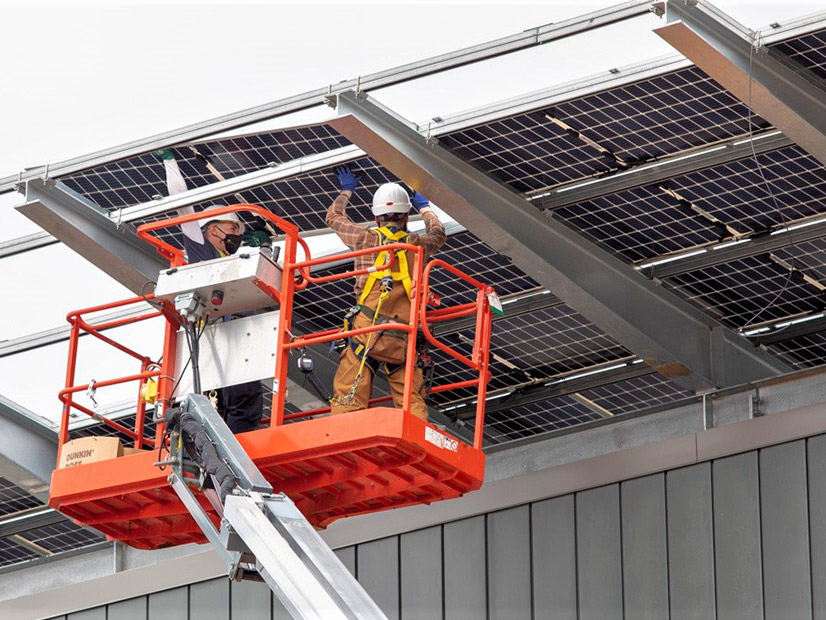
After a year of lobbying by environmentalists and the solar industry, a bill to boost New Jersey’s solar capacity sits on the governor's desk.

City of Ann Arbor
Ann Arbor residents could vote to increase their substantial property taxes to fund the city’s plan to eliminate its carbon emissions by 2030.
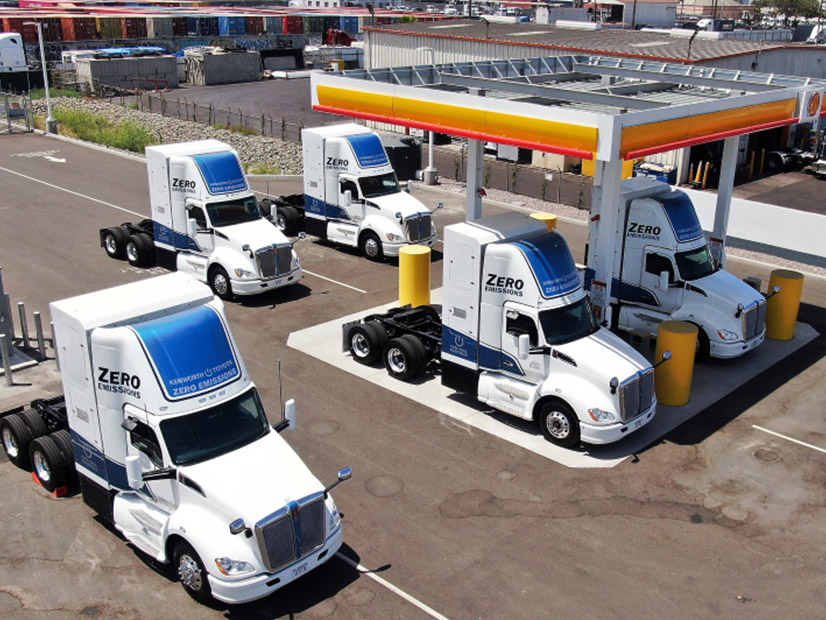
Kenworth
Ten hydrogen fuel cell semi-trucks are beginning a yearlong test of their effectiveness at the Port of Los Angeles.
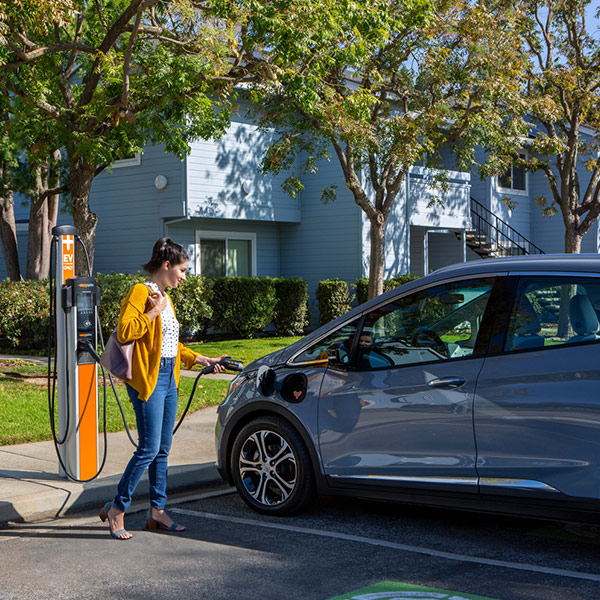
ChargePoint
A special legislative session later this year offers an opportunity for the Rhode Island House to pass a TCI-enabling bill backed by the Senate in June.
Shutterstock
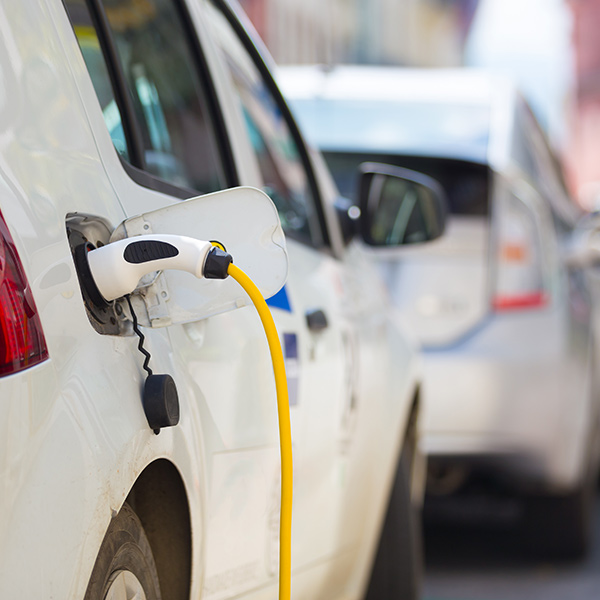
New Jersey outlined new rules to encourage drivers to buy lower-priced EVs, with a maximum incentive available only for vehicles priced $45,000 and below.
Want more? Advanced Search