CAISO/WEIM
CAISO Board of GovernorsCalifornia Agencies & LegislatureCalifornia Air Resources Board (CARB)California Energy Commission (CEC)California LegislatureCalifornia Public Utilities Commission (CPUC)EDAMOther CAISO CommitteesWestern Energy Imbalance Market (WEIM)WEIM Governing Body
The California Independent System Operator serves about 80% of California's electricity demand, including the service areas of the state's three investor-owned utilities. It also operates the Western Energy Imbalance Market, an interstate real-time market covering territory that accounts for 80% of the load in the Western Interconnection.
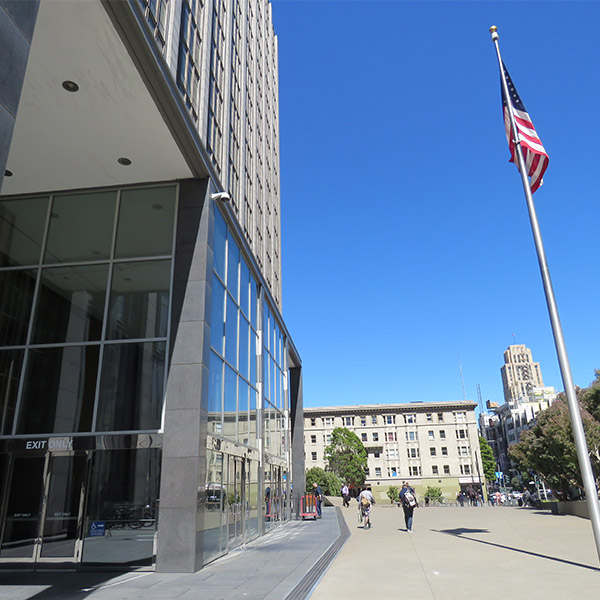
PG&E scored major wins in its effort to emerge from Chapter 11 bankruptcy with its shareholders still in control of the utility.
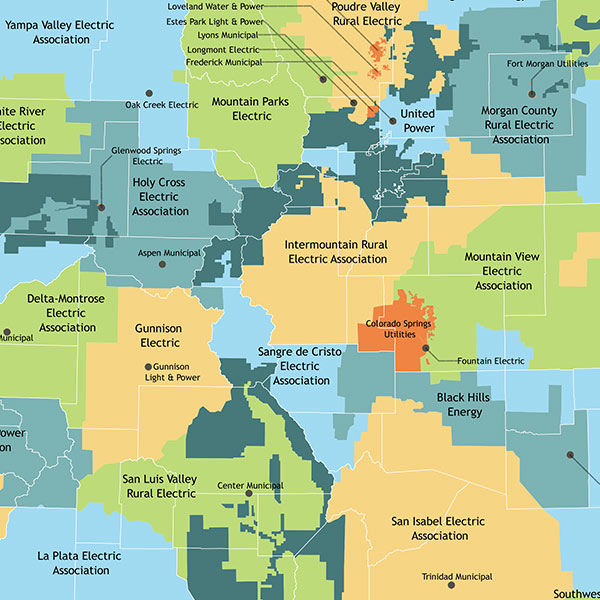
Xcel Energy, Black Hills Colorado Electric, Colorado Springs Utilities and Platte River Power Authority announced they will join CAISO's EIM.

California Gov. Gavin Newsom told the bankruptcy court he objects to the plan PG&E submitted, including the proposed $13.5 billion settlement with victims.

CAISO reported lower wholesale electricity prices during the third quarter, driven by lower natural gas costs and fewer transmission constraints.

EIM stakeholders reacted coolly to a proposal by Utah’s Deseret Power Electric Cooperative to tighten the market’s rules on transmission feasibility.
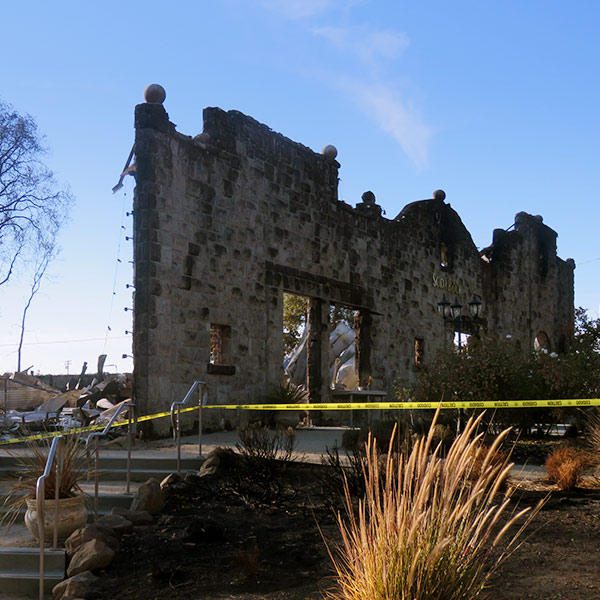
PG&E announced it had reached a $13.5 billion settlement with the individual victims of wildfires sparked by its equipment from 2015 to 2018.

CAISO’s EIM Governing Body and Regional Issues Forum heard from Modesto Irrigation District, Tacoma Power and Turlock Irrigation District.
Attorneys for PG&E urged Bankruptcy Judge Dennis Montali to approve the utility’s proposed $11 billion settlement with insurance companies and hedge funds.

FERC approved a settlement reducing Southern California Edison’s 2018 transmission rates and a partial settlement for an ROE increase for wildfire risks.
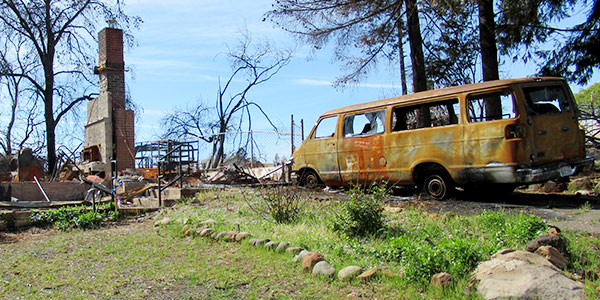
The federal judge in charge of PG&E’s bankruptcy rejected the utility’s argument that it isn’t subject to CA’s legal doctrine of inverse condemnation.
Want more? Advanced Search