ERCOT
ERCOT Board of DirectorsERCOT Other CommitteesERCOT Technical Advisory Committee (TAC)Public Utility Commission of Texas (PUCT)
The Electric Reliability Council of Texas manages the flow of electric power to about 90 percent of the state’s electric load. The nonprofit independent system operator is governed by a board of directors and is subject to oversight by the Public Utility Commission of Texas and the Texas Legislature.
Entergy Corp.
Texas regulators have approved Entergy Texas’ request to build two natural gas-powered units in MISO’s portion of the state, but they have limited the construction costs eligible for recovery to a combined $2.4 billion.
© RTO Insider
ERCOT’s board selection committee selected two new independent directors, restoring the Board of Directors' full complement of seats after several departures earlier in 2025.

© RTO Insider
ERCOT stakeholders at the Infocast Texas Clean Energy Summit discussed tariff trade wars, supply chain issues, data centers and the latest biennial legislative session in Texas that concluded with Senate Bill 6.
© RTO Insider LLC
ERCOT stakeholders, while raising concerns over the grid operator’s use of conservative operations, have endorsed staff’s recommendations for computing minimum ancillary service quantities for 2026.
AdminMonitor
Texas regulators have selected the first four projects eligible for more than $240 million in grants outside the ERCOT region as part of the state’s Texas Energy Fund.

T1 Energy
Russell Gold, a two-time Pulitzer Prize finalist and author of two books, has joined T1 Energy in its quest to build an integrated domestic supply chain for the solar and battery sector.
NRG Energy
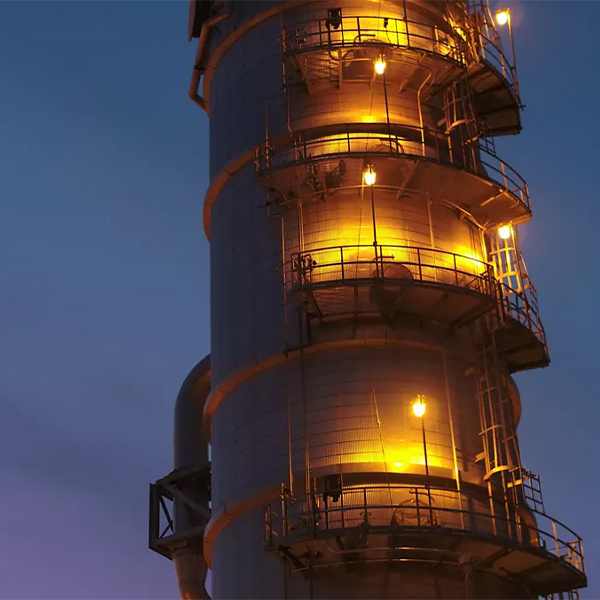
NRG Energy closed on a $216 million loan from the Texas Energy Fund that will help it build 456 MW of gas-fired capacity at an existing power plant.
© RTO Insider LLC
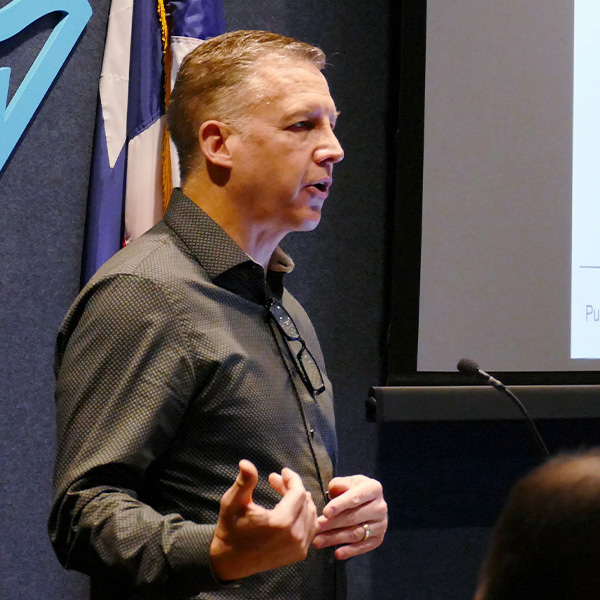
ERCOT says all systems are go — or more specifically, green — and early market trials have been successful as the Real-time Co-optimization plus Batteries project barrels to its Dec. 5 go-live date.
© RTO Insider
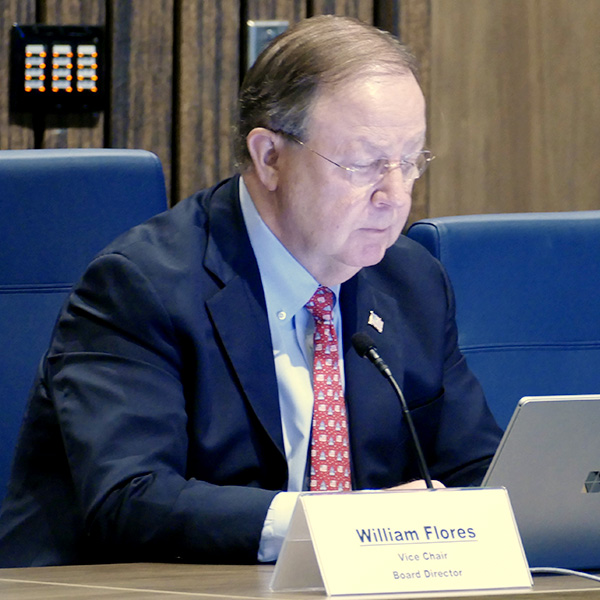
ERCOT says its Board Selection Committee has tabbed industry veteran Bill Mohl to fill one of three independent director vacancies on its board.
AdminMonitor
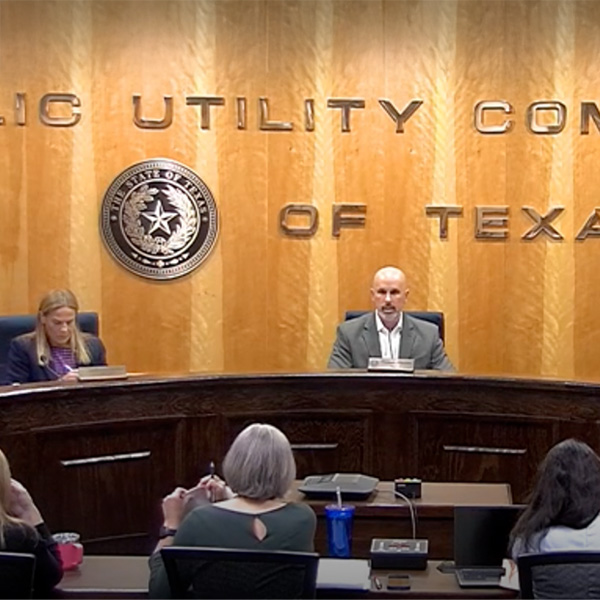
Texas regulators have approved two more system resiliency plans for state utilities with a focus on wildfire mitigation, following up on a requirement from the 2023 legislative session.
Want more? Advanced Search