Public Policy
Environmental RegulationsReliabilityState & RegionalAlabamaAlaskaArizonaArkansasCaliforniaColoradoConnecticutDelawareDistrict of ColumbiaFloridaGeorgiaHawaiiIdahoIllinoisIndianaIowaKansasKentuckyLouisianaMaineManitobaMarylandMassachusettsMichiganMinnesotaMississippiMissouriMontanaNebraskaNevadaNew HampshireNew JerseyNew MexicoNew YorkNorth CarolinaNorth DakotaOhioOklahomaOntarioOregonPennsylvaniaRhode IslandRTO-IndianaSouth CarolinaSouth DakotaTennesseeTexasUtahVermontVirginiaWashingtonWest VirginiaWisconsinWyoming
NYISO
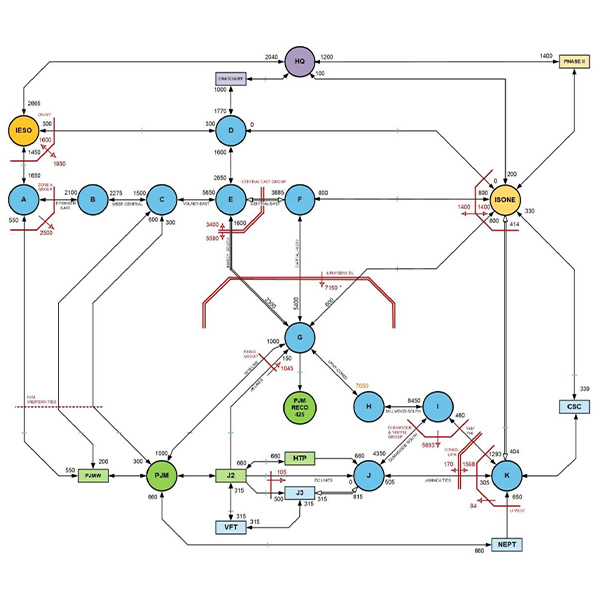
The NYSRC Executive Committee approved the modeling assumptions for its 2024/25 installed reserve margin requirement study base case and discussed potential cap-and-invest updates.

© RTO Insider LLC
The Ninth Circuit rejected a challenge to the Bonneville Power Administration's decision to lower rates from conservation groups, who argued more funding should have been directed to fish and wildlife protection.

© RTO Insider LLC
A potential name change for ERCOT's Independent Market Monitor has heightened some concerns that Texas regulators are attempting to restrict the IMM's independence.

Eric Goff
ERCOT said it did not experience grid reliability issues with the loss of solar generation during Saturday’s annular solar eclipse, in what some saw as a performance check before next year’s total eclipse.
© RTO Insider LLC
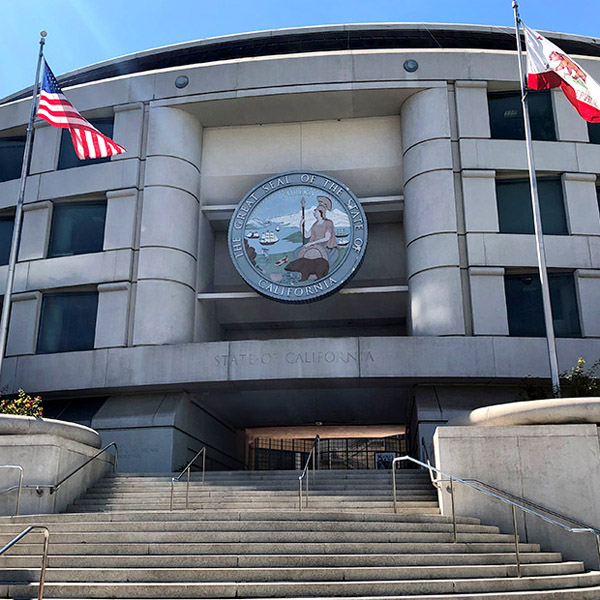
California utility regulators voted to launch a proceeding to establish rules and requirements for the state’s resource adequacy program from 2025 to 2028.
© RTO Insider LLC
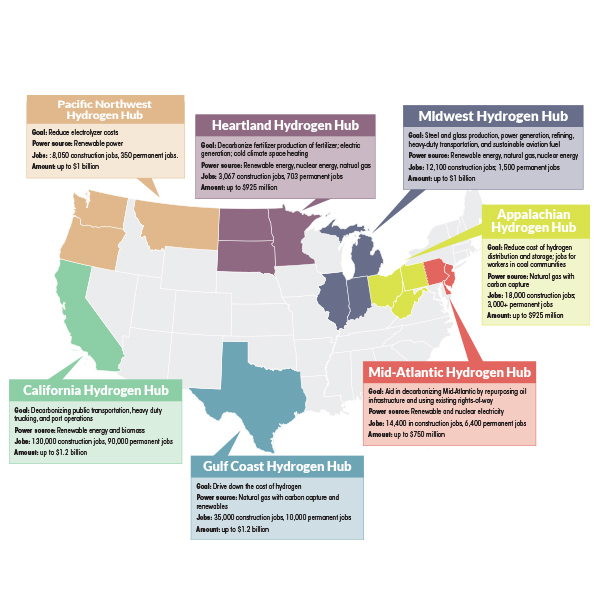
If selected, the H2Hubs will benefit from up to $7 billion in federal funding that recipients will match with more than $40 billion in additional funding.

© RTO Insider LLC
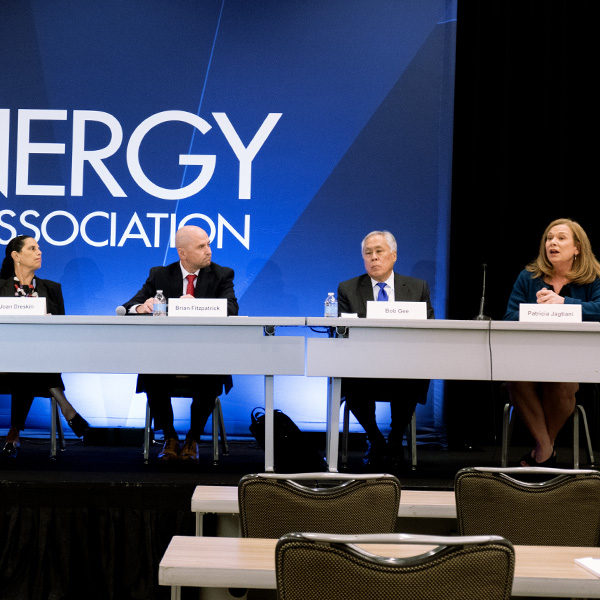
A major focus at the Energy Bar Association meeting was on how to ensure reliability and affordability as the grid transitions to a cleaner future.
© RTO Insider LLC
The Energy Bar Association's Mid-Year Forum illustrated greater collaboration between than the electric and natural gas industries than normal.
© RTO Insider LLC
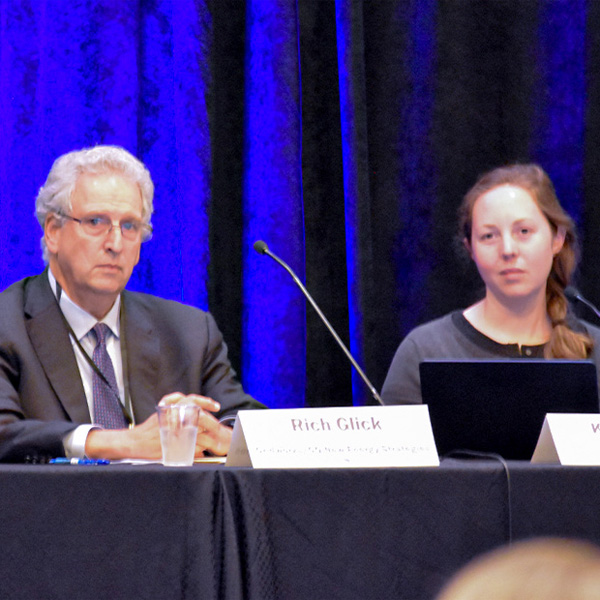
State-led CREPC should spearhead an effort to boost development of new transmission in the West, according to the findings of an initiative that included former FERC Chair Richard Glick.
RTC
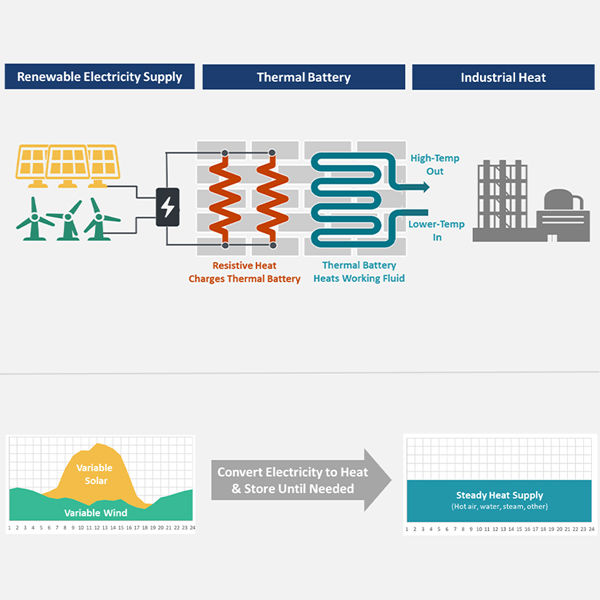
Thermal energy storage powered by renewables could be a flexible, cost-effective way to decarbonize heavy industry in the U.S., according to a new report from the Renewable Thermal Collaborative and Center for Climate and Energy Solutions.
Want more? Advanced Search