State & Regional
AlabamaAlaskaArizonaArkansasCaliforniaColoradoConnecticutDelawareDistrict of ColumbiaFloridaGeorgiaHawaiiIdahoIllinoisIndianaIowaKansasKentuckyLouisianaMaineManitobaMarylandMassachusettsMichiganMinnesotaMississippiMissouriMontanaNebraskaNevadaNew HampshireNew JerseyNew MexicoNew YorkNorth CarolinaNorth DakotaOhioOklahomaOntarioOregonPennsylvaniaRhode IslandRTO-IndianaSouth CarolinaSouth DakotaTennesseeTexasUtahVermontVirginiaWashingtonWest VirginiaWisconsinWyoming

Colorado Energy Office
Colorado regulators approved 3.2 GW of new resources requested by Public Service Company of Colorado under an expedited approval process designed to take advantage of soon-expiring federal tax credits.
Constellation Energy
FERC upheld its approval of Constellation Energy’s purchase of Calpine while also addressing arguments from consumer and environmental groups.
Yes Energy
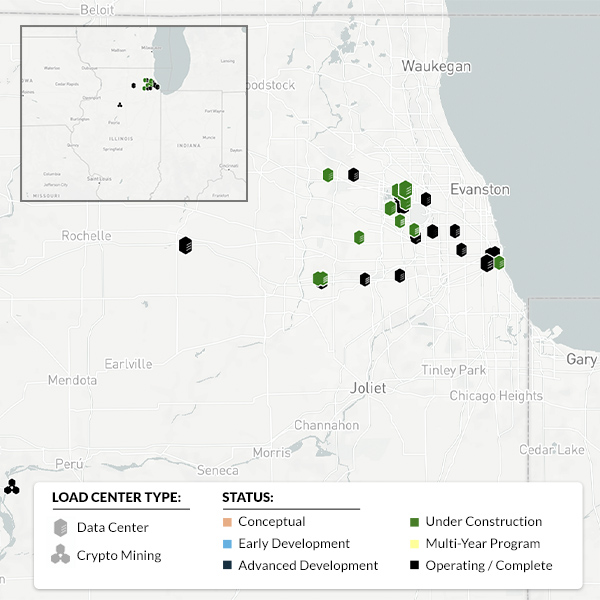
FERC approved four transmission security agreements between Exelon’s Commonwealth Edison and new data center customers in Illinois, laying out conditions for their transmission service.
Massachusetts Clean Peak Coalition
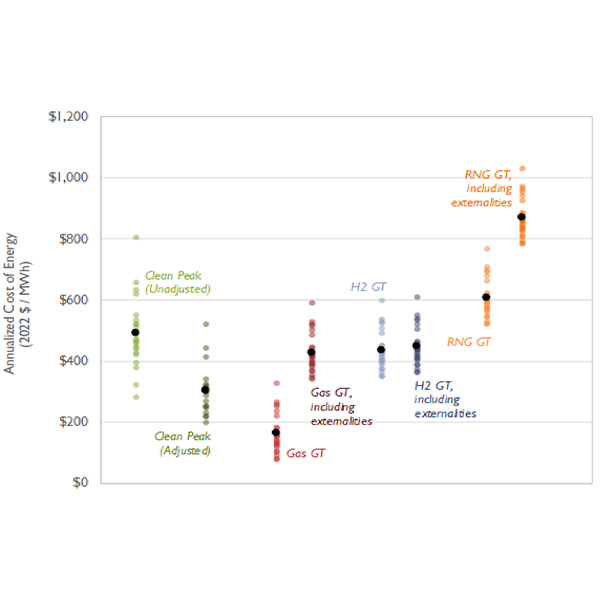
Massachusetts could decarbonize its peaking power portfolio by 2050 through aggressive deployment of wind, batteries and demand flexibility, according to a new analysis by a group of environmental nonprofits.
Consumers Energy
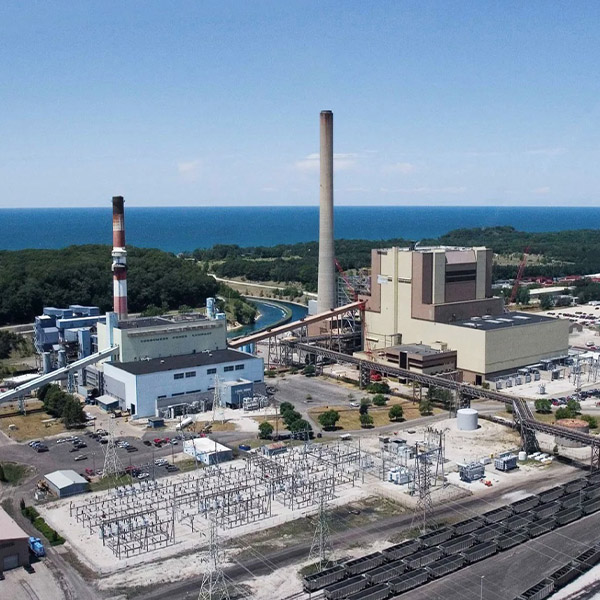
The Department of Energy issued a fourth emergency order, keeping the J.H. Campbell coal plant in Michigan online through mid-May and likely beyond.

Related Digital
DTE Energy is weeks away from finalizing another power agreement for a large-scale data center, even as friction continues over its deal in late 2025 to supply 1.4 GW to a facility under construction.

Ørsted
After 19 months, New York has abandoned its most recent attempt to procure offshore wind power, saying it would not be prudent to proceed amid federal policy uncertainty.

Mikie Sherrill for New Jersey
New Jersey legislators advanced a bill that would protect ratepayers from rate hikes triggered by data center development, as the state looks for ways to add generation capacity, boost its infrastructure and curb energy use.
Eversource Energy
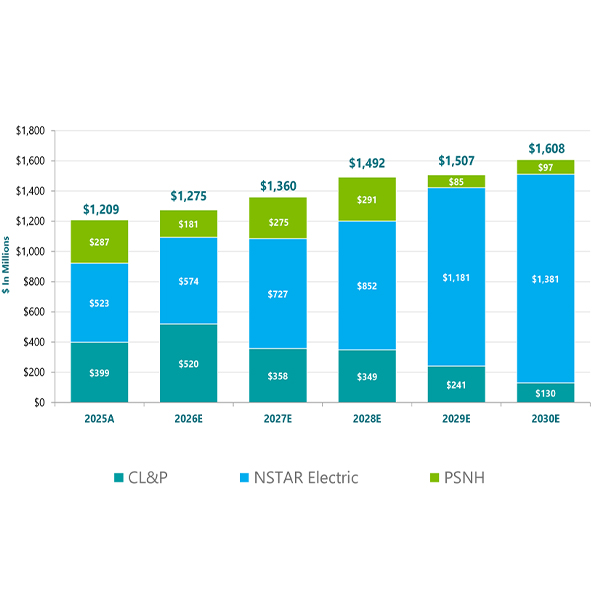
Eversource Energy increased its five-year capital investment plan by $2.3 billion, an increase largely driven by investments in its gas and electric distribution systems.

LoopNet
Colorado lawmakers have introduced a bill that would impose renewable energy requirements on data center developers and ban shifting of cost for electricity and grid investments to other utility customers.
Want more? Advanced Search