Utility-scale Solar
EIA
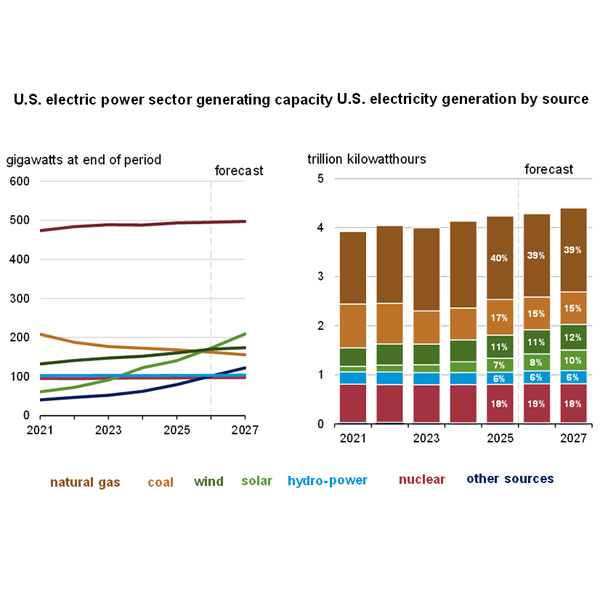
The U.S. Energy Information Administration forecasts the highest power demand growth in a quarter century in 2026 and 2027, due largely to the proliferation of data centers.

© RTO Insider LLC
Some of the Bonneville Power Administration’s proposals aimed at resuming transmission planning processes risk pushing study timelines to the point where the agency’s customers could run afoul of clean energy targets in Washington and Oregon, stakeholders say.

Shutterstock
The renewable energy industry and its advocates have initiated two more lawsuits against the Trump administration over its continuing campaign against wind and solar energy development.

© RTO Insider
Heading into 2026, New England is counting on an increasingly collaborative approach to energy policy as federal opposition to renewable energy development threatens affordability, reliability, and decarbonization objectives in the region.
Shutterstock
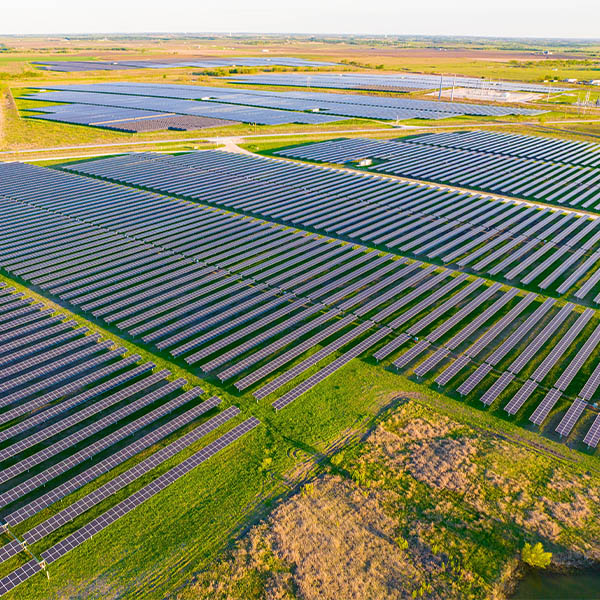
The degree of risk and uncertainty springing from indifferent or outright obstructive new federal policies in 2025 has trimmed planned solar deployment.
Solar Energy Industries Association
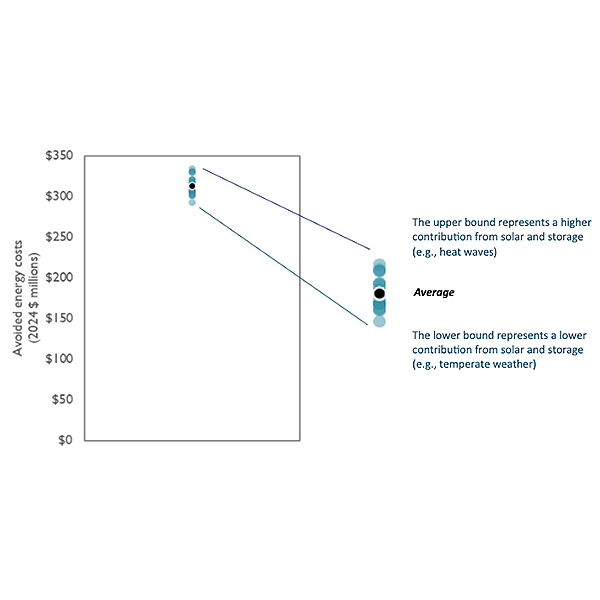
A new report estimates that solar and battery storage growth in New England between 2025 and 2030 could reduce wholesale energy costs across the region by about $684 million annually by 2030.
American Clean Power Association
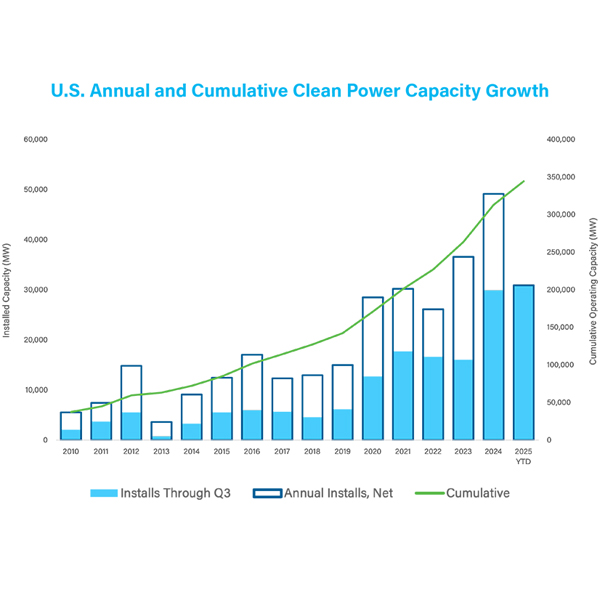
New solar, battery storage and onshore wind power generation totaled 11.7 GW in the third quarter of 2025, the American Clean Power Association reported.
Tri-State Generation and Transmission Association
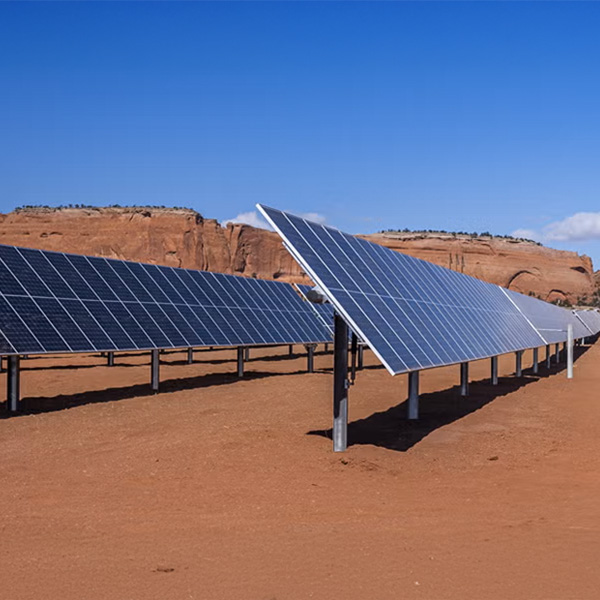
Western state utility commissioners should encourage “standardization and harmonization” to effectively integrate inverter-based resources throughout the region, according to a guide developed by WIRAB and Elevate Energy Consulting.

UN Climate Change - Kiara Worth
Livewire columnist K Kaufmann argues that clean energy supporters should focus on a strategically planned, outcome-focused, and rapidly achievable transition toward renewables.

El Paso Electric
El Paso Electric again is seeking regulatory approval for its New Mexico renewable energy plan after resolving tariff-related cost uncertainty of a solar-plus-storage procurement proposed in the plan.
Want more? Advanced Search