Bonneville Power Administration (BPA)
Shutterstock
Puget Sound Energy and Avista told the Washington Utilities and Transportation Commission they have taken steps to build clean energy resources quickly to qualify for expiring federal tax credits, while voicing concern that limited transmission capacity and the state’s greenhouse gas targets pose challenges.
U.S. Army Corps of Engineers
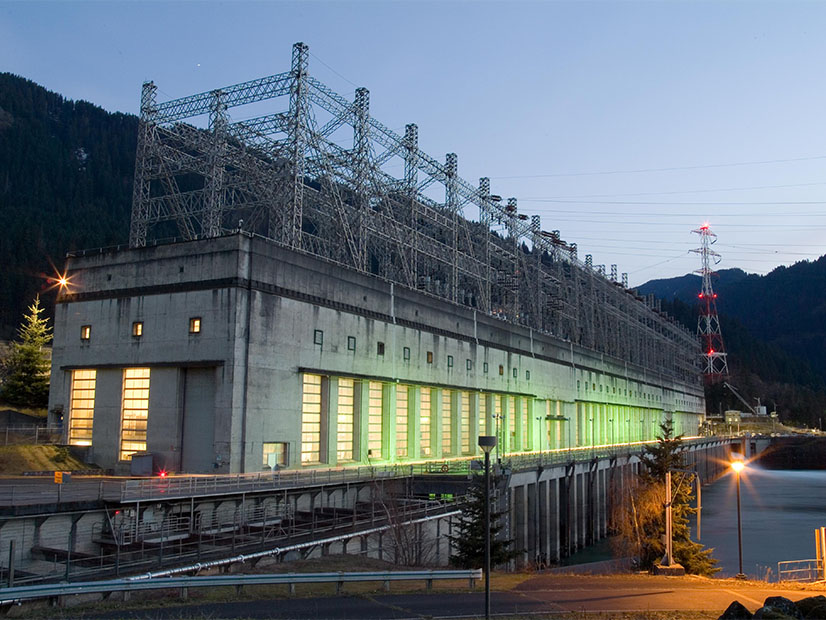
The Bonneville Power Administration’s planned departure from the Western Energy Imbalance Market has prompted questions about how the agency will handle the yearlong period before it joins SPP’s Markets+.
U.S. Army Corps of Engineers
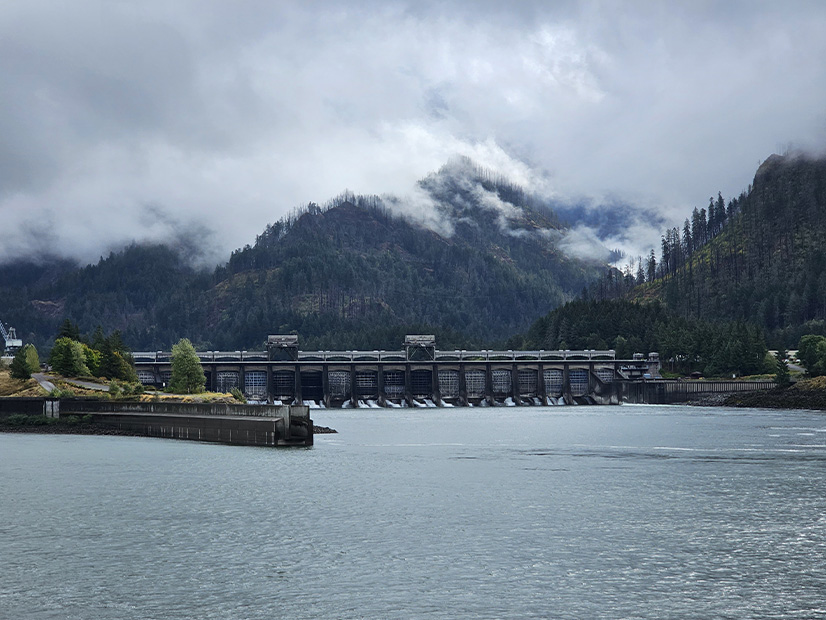
BPA released its draft proposed decision to join SPP’s Markets+, saying that preparations have advanced to a point where it can “move forward with implementation and propose joining Markets+ in October 2028.”
Shutterstock
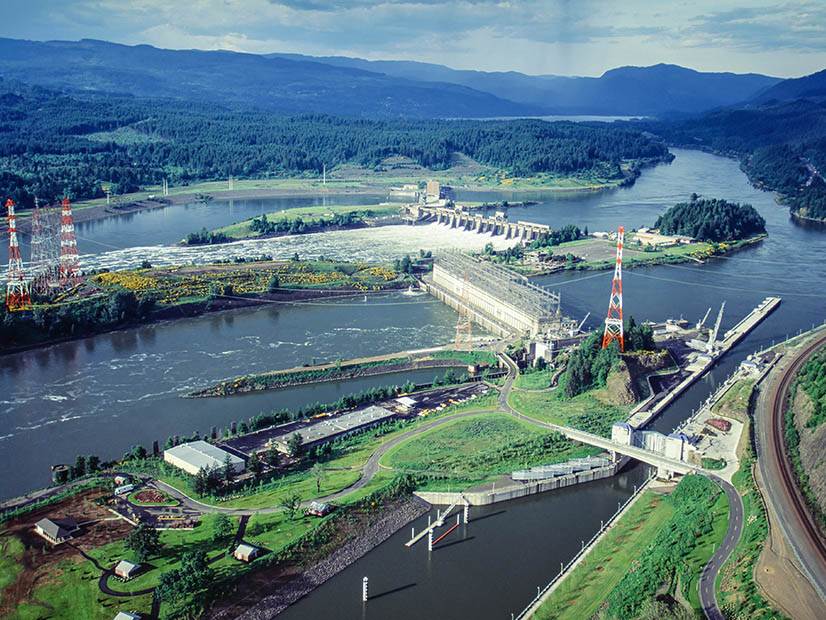
Oregon and Washington lawmakers are exploring ways to build new transmission independent of the Bonneville Power Administration.
BPA
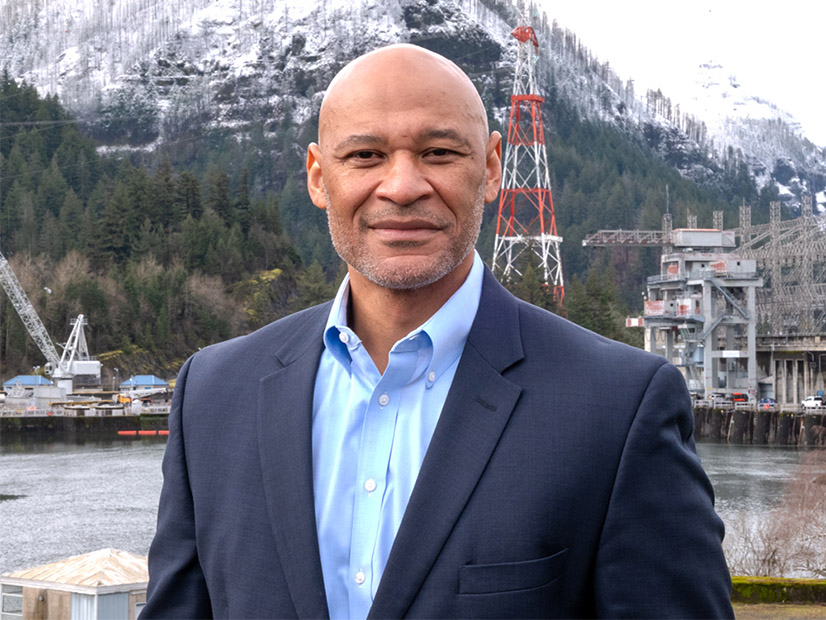
The Bonneville Power Administration opened the selection process for the agency’s next administrator via an online job posting, prompting questions about the salary range and the level of input Northwestern lawmakers will have.
Shutterstock
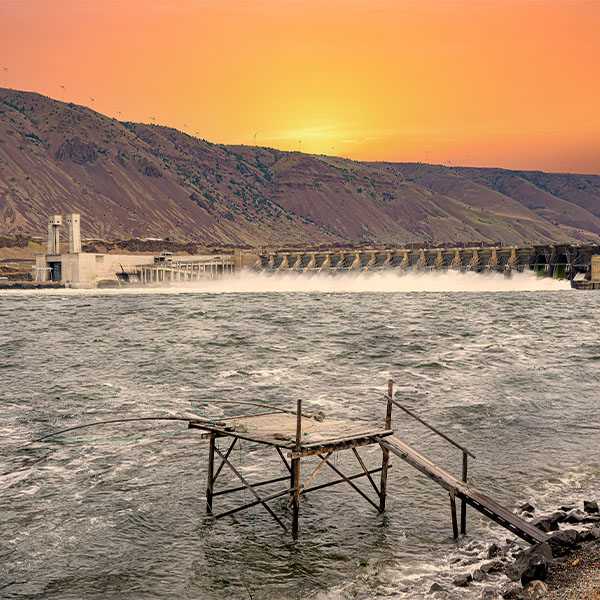
A federal judge in Oregon ordered increased spill levels at eight dams on the Columbia and Snake rivers in order to protect endangered salmon species, rejecting claims that doing so would impede power generation.
Bonneville Power Administration
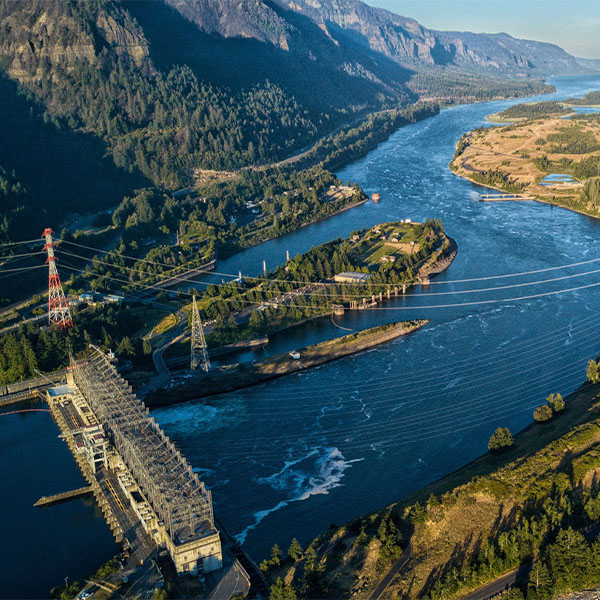
The consequences of the Bonneville Power Administration’s decision to join SPP’s Markets+ could hit the Northwest sooner rather than later even though the agency has yet to formally join the market, a group of nonprofits suing it over the choice told the 9th U.S. Circuit Court of Appeals.

CAISO
Elliot Mainzer said working at BPA taught him two critical lessons that he's applied at CAISO: the importance of "robust stakeholder engagement" and "collaborative working relationships."
BPA
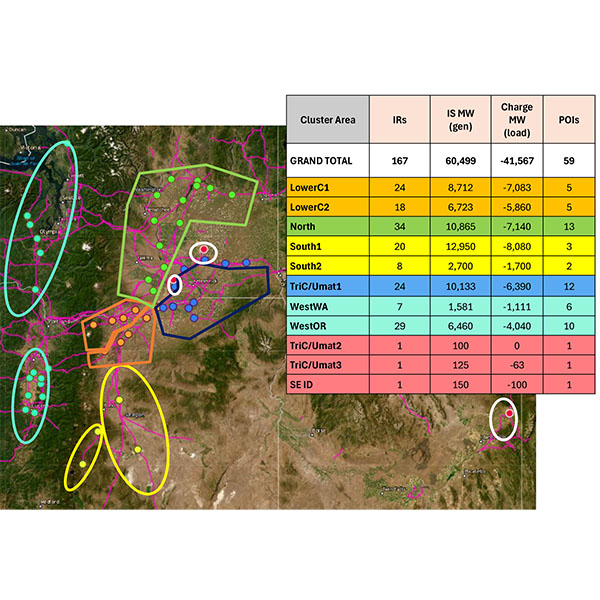
More than 60 GW of generation is a step closer to connecting to BPA's transmission system, following the release of Phase 1 of an interconnection cluster study.
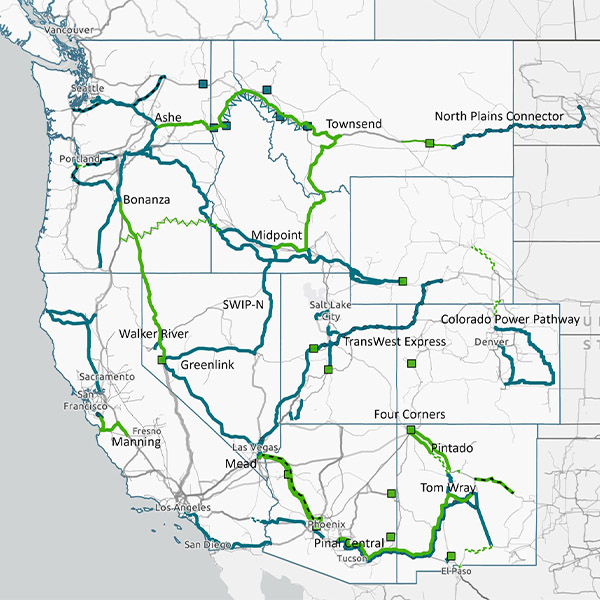
Western Power Pool
The West must build or upgrade 12,600 miles of transmission at a cost of about $60 billion to meet the region’s forecast 30% increase in peak demand and other needs by 2035, according to the Western Transmission Expansion Coalition's 10-year outlook.
Want more? Advanced Search