Clean Grid Alliance (CGA)
MISO
In a case of déjà vu, MISO announced that NERC is poised to issue a follow-up to its Long-Term Reliability Assessment that stands to lower the RTO’s reliability vulnerability from “high risk” to “elevated.”
MISO
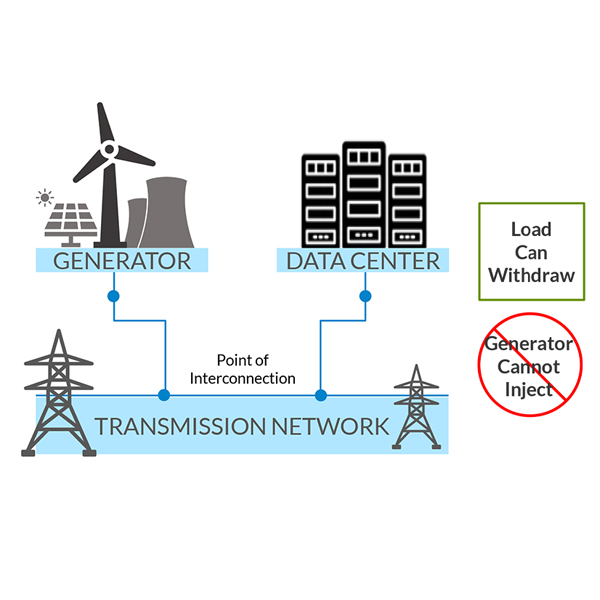
Limiting MISO large load solutions only to zero-injection scenarios misses the mark and can create a myriad of challenges now and in the future, writes David Sapper of the Clean Grid Alliance.

NextEra Energy
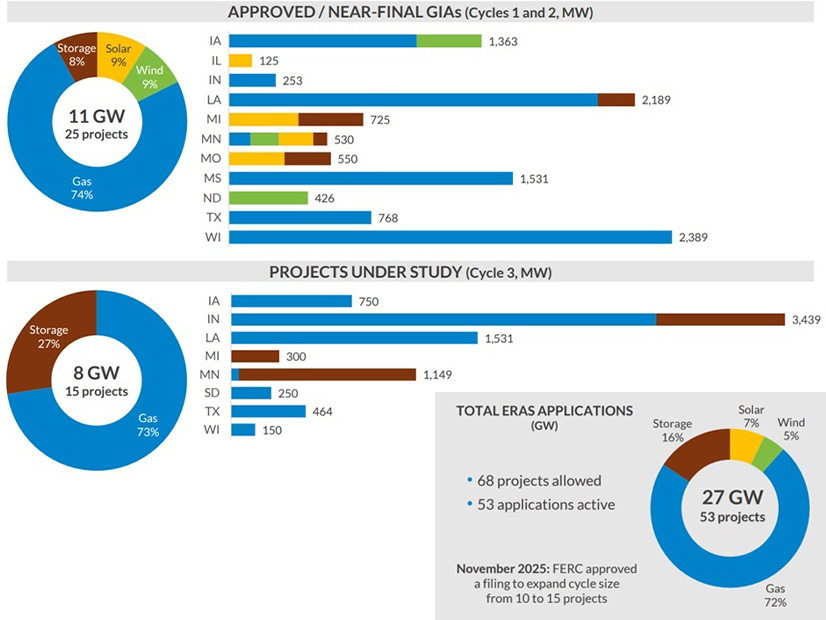
FERC ruled that MISO is free to continue using its interconnection queue fast lane, shutting down rehearing requests from several clean energy organizations.
Northern Indiana Public Service Co
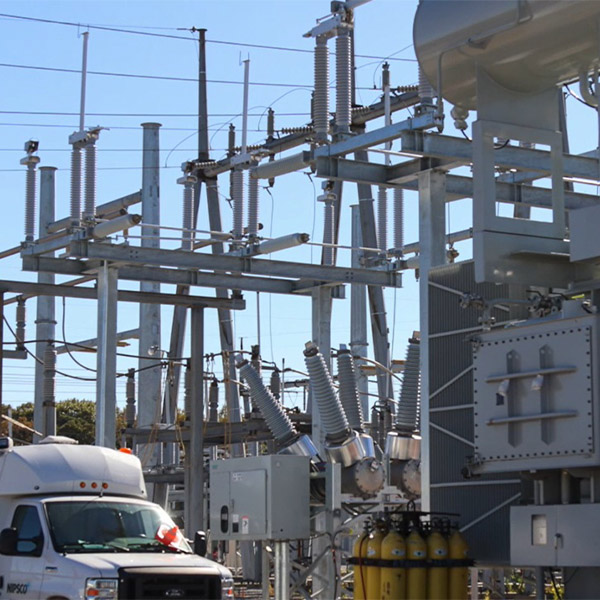
Northern Indiana Public Service Co.’s leadership said they would test their new GenCo spinoff business out with a $6 billion to $7 billion grid investment from a large, yet unnamed customer.
MISO
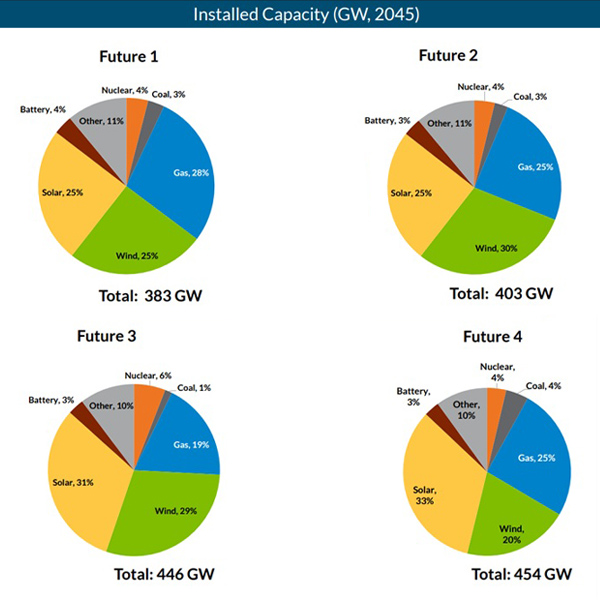
MISO has slashed earlier renewable energy estimates and boosted natural gas contributions in its transmission planning futures in a rethink brought on by the Trump administration’s One Big Beautiful Bill Act.
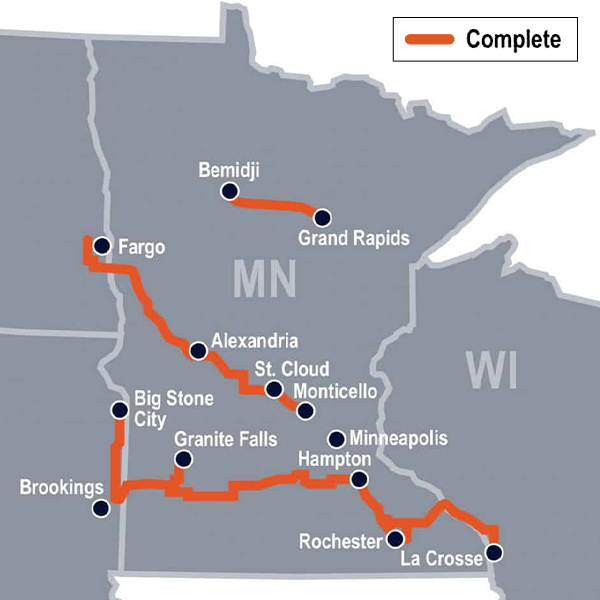
Grid North Partners
The American Council on Renewable Energy hosted “Powering Progress: States Leading on Transmission Collaboration” to examine the outcome of past multistate efforts and the drive for further collaboration.

Fluence
Clean Grid Alliance claims new information MISO has released on its interconnection queue fast lane definitively shows the plan would be detrimental to independent power producers and should be rejected by FERC.

Cooperative Energy
MISO confirmed it will make a second bid to FERC to establish a temporary fast lane in its interconnection queue, this time limiting the process to 50 generation projects.

© RTO Insider
MISO generation developers pushed back on MISO’s cost allocation of the $1.65 billion Joint Targeted Interconnection Queue, reportedly saying MISO’s late-stage alterations have eroded the value of the seams planning.

© RTO Insider LLC
Groups of generation owners and developers have asked MISO to adopt a queue fast lane only as a last resort and employ a more limited process that involves scoring criteria to gain entry.
Want more? Advanced Search