Energy and Environmental Economics (E3)
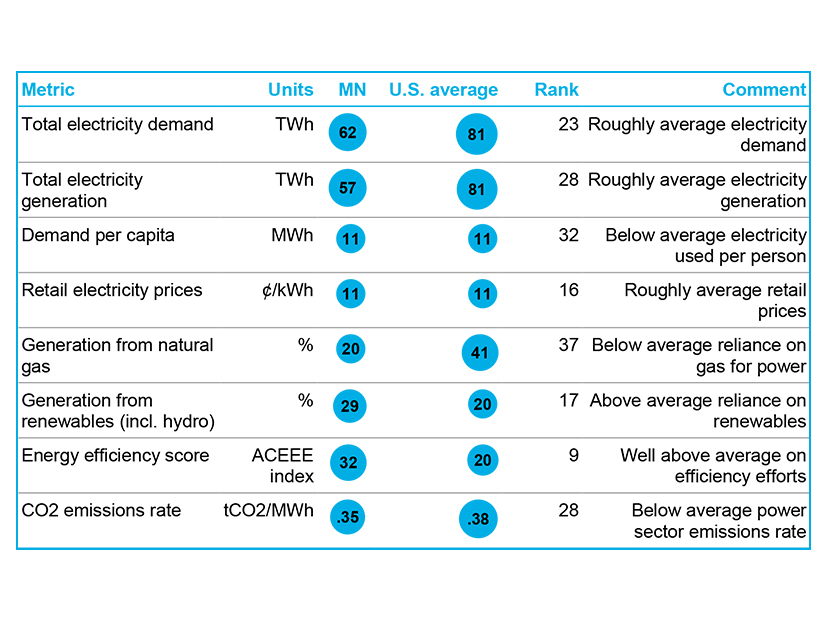
Renewable energy became the largest source of electricity in Minnesota in 2020 at 29%, BloombergNEF reported last week.
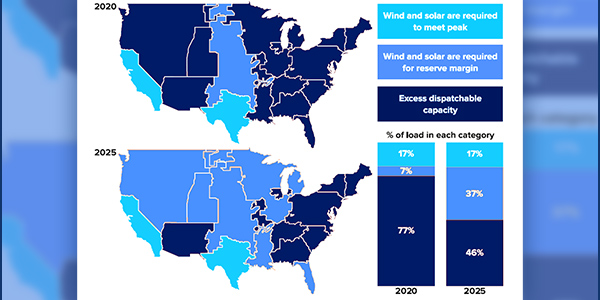
More than half of the U.S. coal fleet could be retired by 2025 to reduce emissions and generating costs, with no harm to reliability, according to RMI.
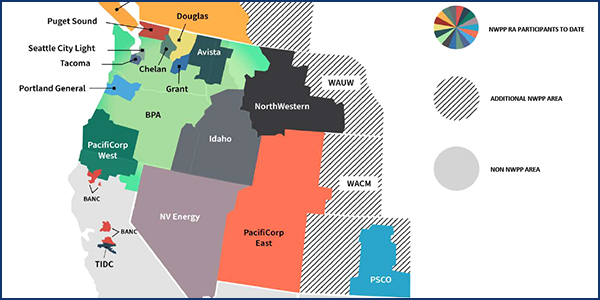
The Northwest Power Pool is moving to wrap up the design phase of its regional resource adequacy program, stakeholders heard.
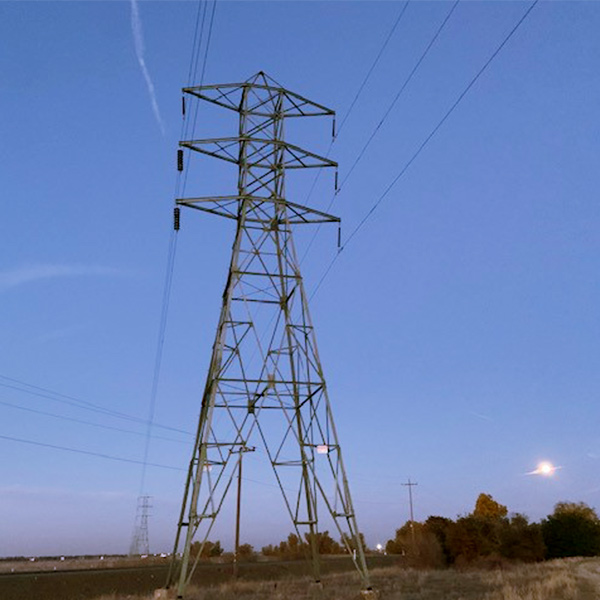
CAISO’s top priority in 2021 will be making sure there is enough generating capacity for summer after last year’s shortfalls.
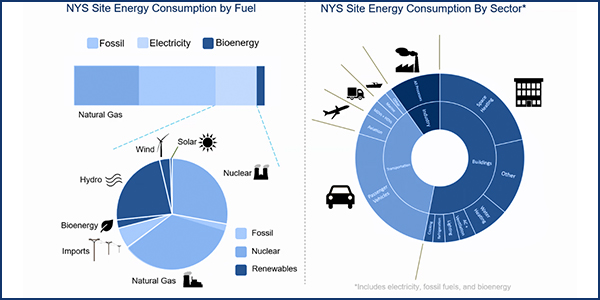
New York's CAC looked back with satisfaction on the past year while acknowledging that its a long way from meeting the state’s clean energy goals.
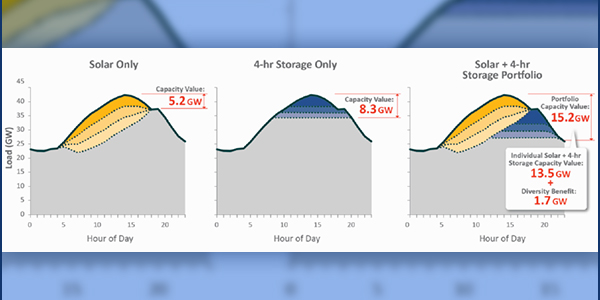
Oregon should recognize the capacity contributions of all resources including variable renewables, according to a report commissioned by the state PUC.

The New York CAC met to discuss bioenergy emissions and the formation of a utility consultation group while also receiving updates from advisory groups.
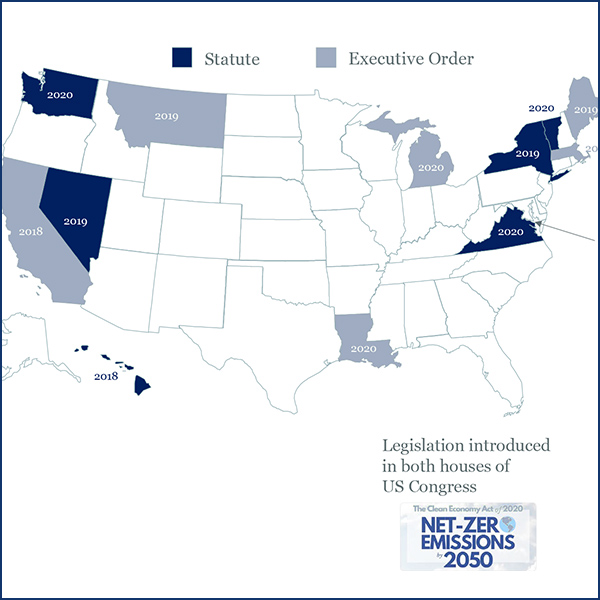
Reaching net-zero emissions will require at least $2.5 trillion in additional capital investment over the next decade, according to a new Princeton study.
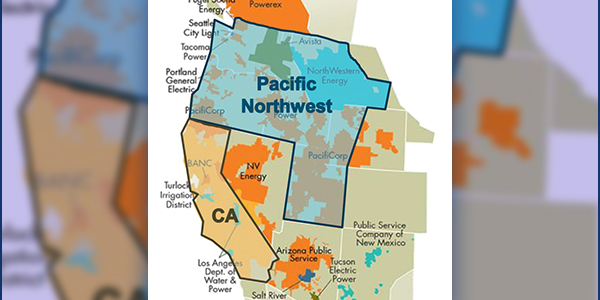
Western utility regulators have no time to waste in addressing the region’s looming resource adequacy shortfalls, industry experts said.

Electricity industry CEOs discussed the “challenges & opportunities” of decarbonization in the New England power sector in the next 30 years.
Want more? Advanced Search