Federal Energy Regulatory Commission (FERC)
The Federal Energy Regulatory Commission is an independent agency that regulates the interstate transmission of electricity, natural gas and oil; reviews proposals to build LNG terminals and interstate natural gas pipelines; and licenses hydropower projects. FERC also oversees operations of regional wholesale electricity and natural gas markets and oversees the reliability of the bulk electric system.
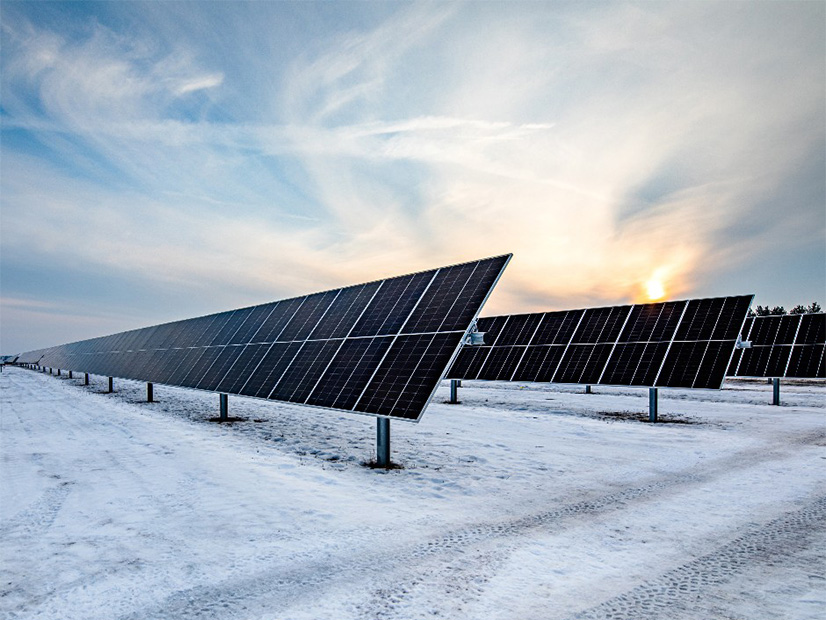
Alliant Energy
FERC approved MISO’s Transmission Owners’ request to eliminate reactive power compensation for generators, cutting a $220 million annual revenue requirement.
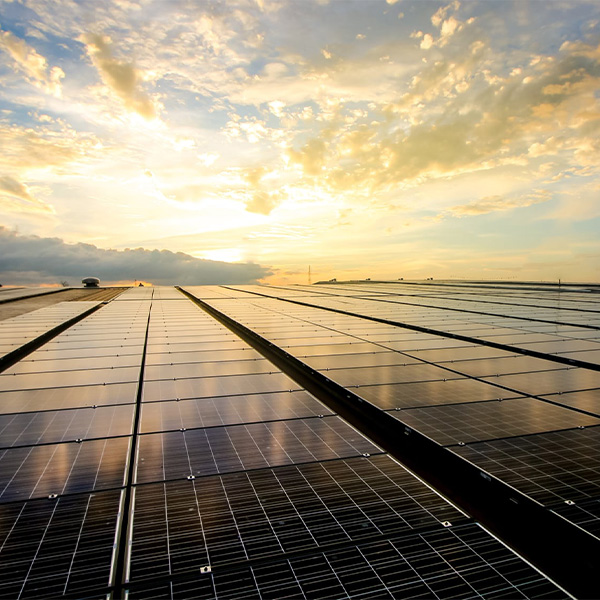
SEIA
The Solar Energy Industries Association lodged a complaint at FERC against MISO’s practice of blocking intermittent resources from its ancillary service market.
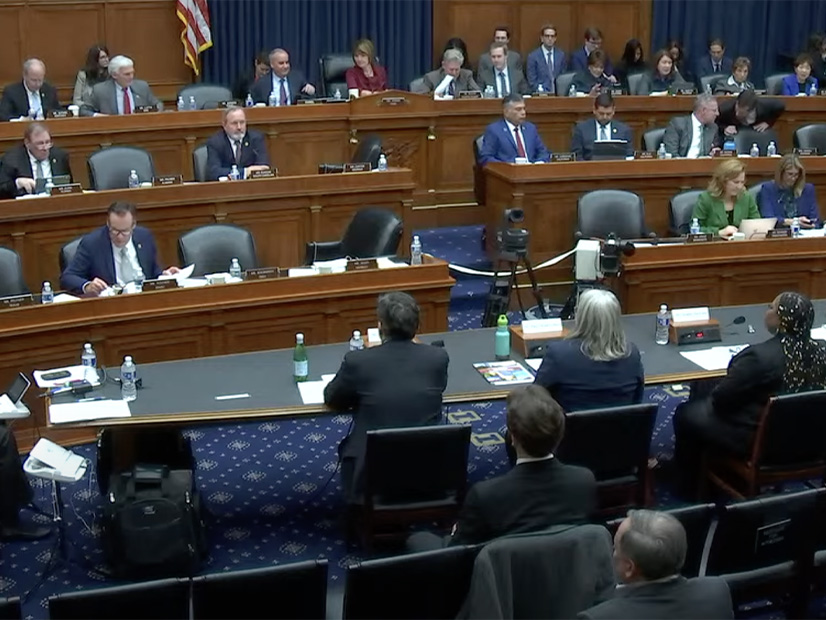
House Energy & Commerce Committee
The partisan divide was clearly visible at the House Energy panel's first hearing, but witnesses suggested they might find common ground on permitting “reform.”

Lluck002, CC BY-SA 4.0, via Wikimedia Commons
SERC Reliability levied penalties against Dominion Energy subsidiary Virginia Electric and Power for violations of NERC reliability standards.
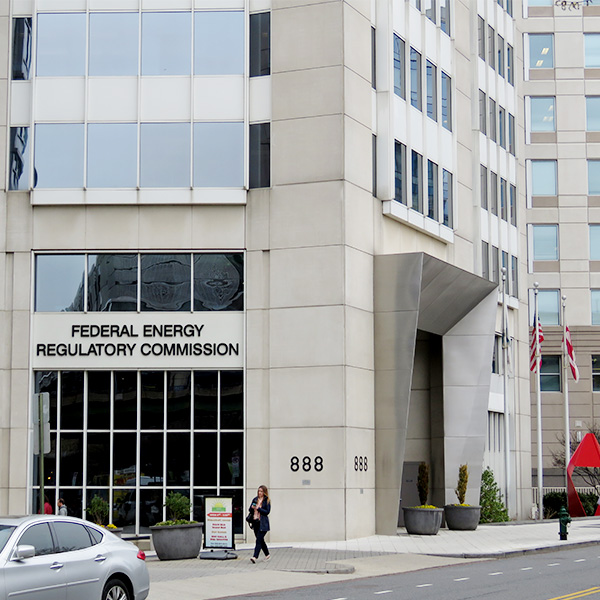
© RTO Insider LLC
FERC conditionally accepted NYPA's proposal to revise its formula rate template in response to its need to bring on large amounts of clean generation.
GridLiance
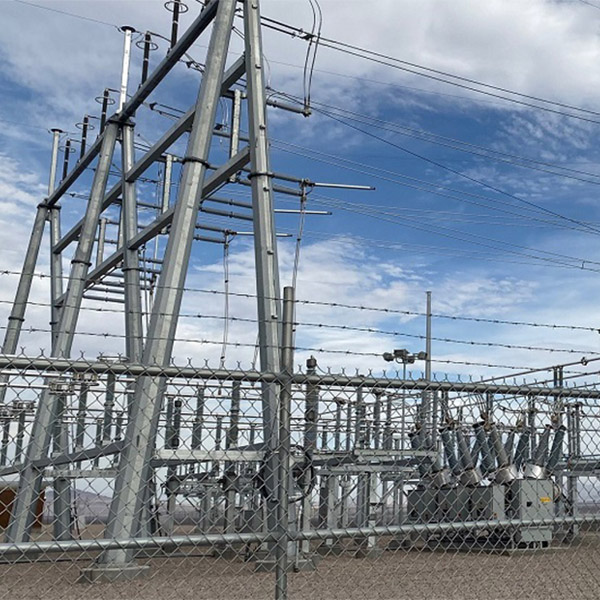
FERC dismissed rehearing requests from GridLiance High Plains and Associated Electric Cooperative Inc. in a pair of dockets involving SPP's tariff.
Michels Power
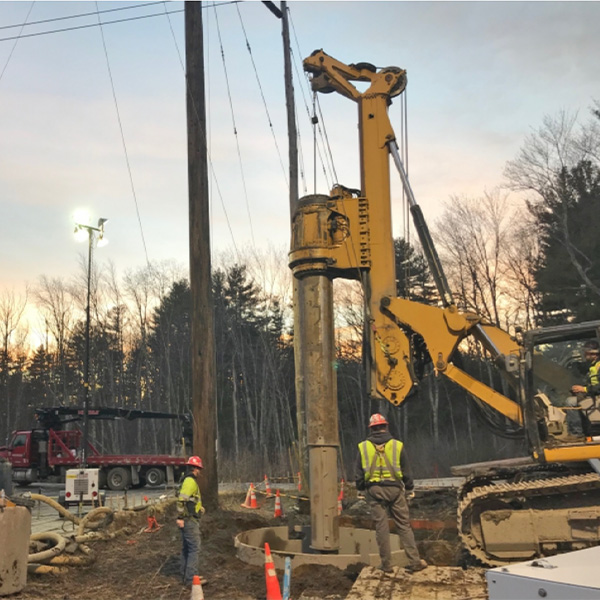
The court upheld a FERC order requiring $11.5 million in refunds from Ameren Illinois after 10 years of misreporting costs.
© RTO Insider LLC
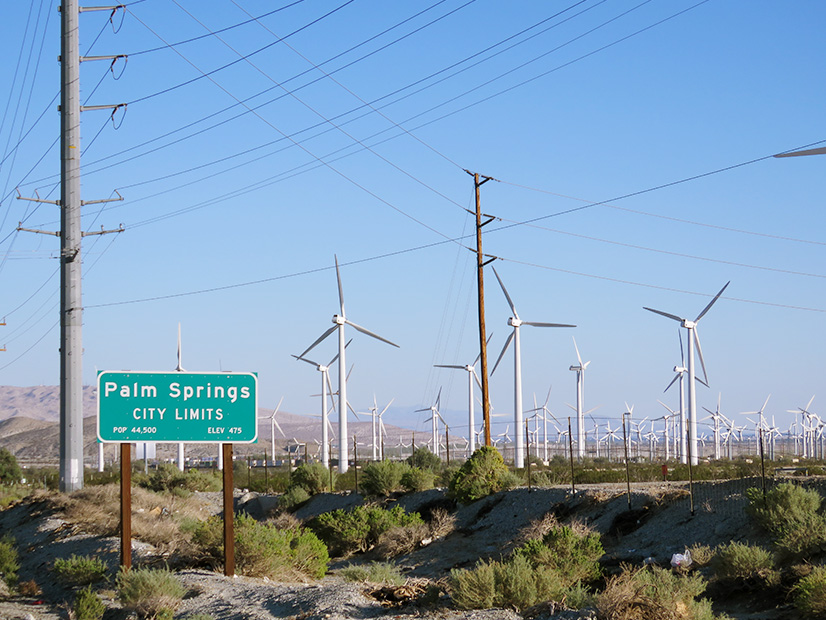
What the RTOs told FERC about how they are working to ensure reliability despite a changing generation mix — and what the commenters think of their plans.
© RTO Insider LLC
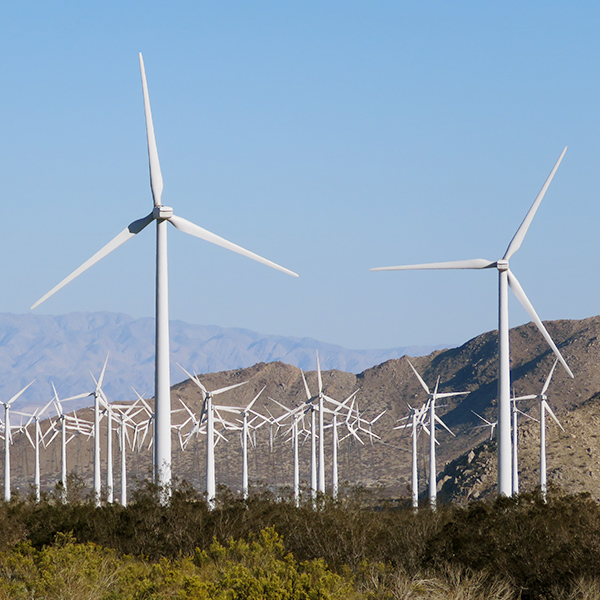
RTO stakeholders presented FERC with a cornucopia of suggestions for dealing with electrification and the increasing penetration of renewables.
© RTO Insider LLC
NYISO presented its anticipated schedules for its Installed Capacity market, energy market and new resource integration projects for this year.
Want more? Advanced Search