Federal Energy Regulatory Commission (FERC)
The Federal Energy Regulatory Commission is an independent agency that regulates the interstate transmission of electricity, natural gas and oil; reviews proposals to build LNG terminals and interstate natural gas pipelines; and licenses hydropower projects. FERC also oversees operations of regional wholesale electricity and natural gas markets and oversees the reliability of the bulk electric system.
Larry Johnson, CC BY-SA 2.0, via Wikimedia Commons
The D.C. Circuit backed FERC’s 2020 rejection of PSCo's 'fast track' interconnection rule — but the utility later won commission OK for a modified plan.
Senate ENR Committee
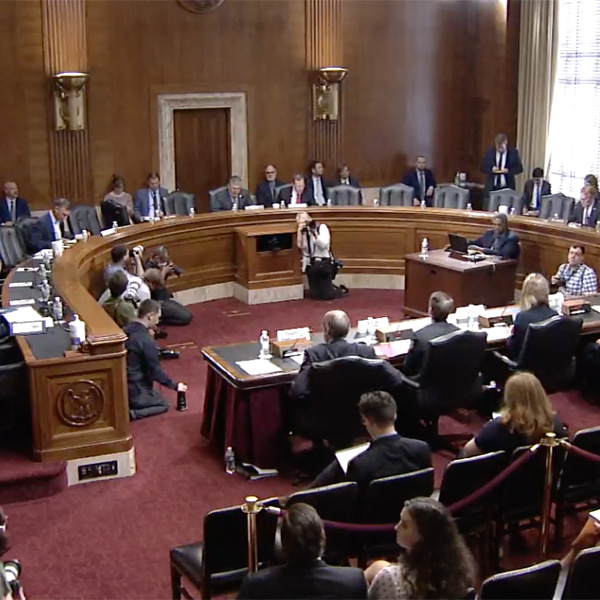
Fears that FERC’s pipeline regulations will stymie development of a national hydrogen pipeline system pervaded a Senate Energy and Natural Resources hearing.
NYC.GOV
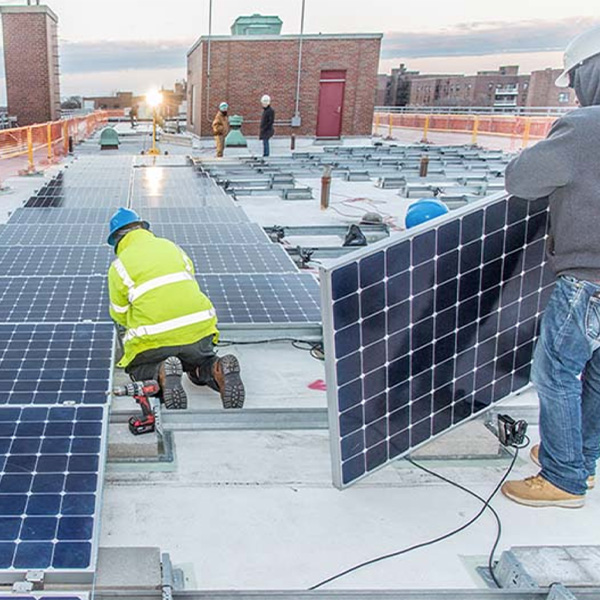
NYISO filed a request with FERC for a 90-day extension of the Aug. 16 compliance deadline for Order 2222 and a separate request regarding operating reserves.
© RTO Insider LLC
PJM's Operating Committee advanced plans to ease the scheduling of network service and manual language for hybrid resources.
NYPA
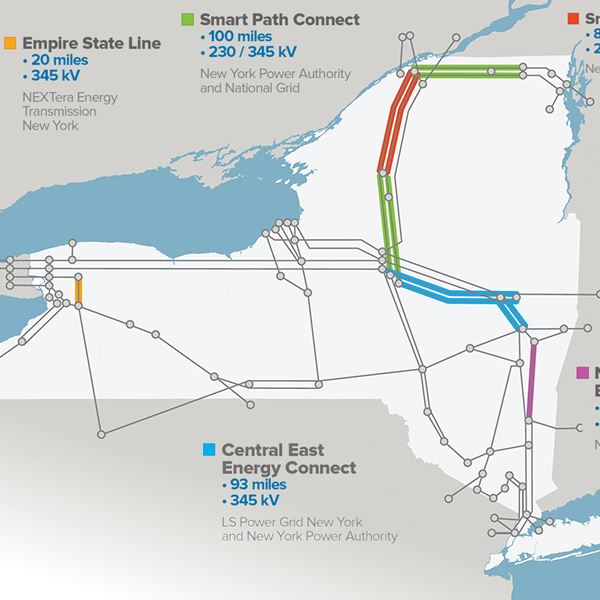
FERC nixed Niagara Mohawk Power’s proposed cost allocation and recovery for its share in the Smart Path Connect transmission project in upstate New York.
© RTO Insider LLC
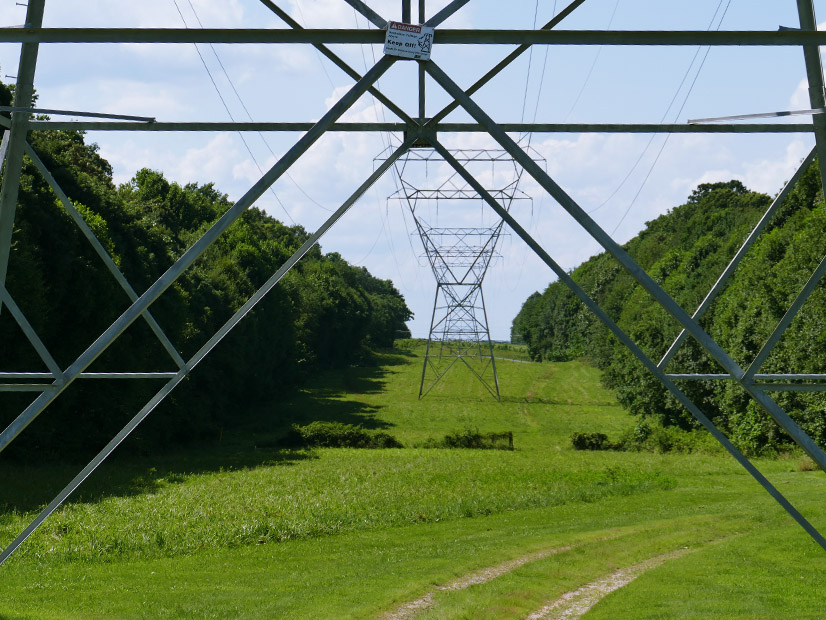
Stakeholders welcomed proposed changes to PJM’s interconnection procedures as long overdue but challenged the RTO’s timeline and transition plans.
© RTO Insider LLC
The D.C. Circuit Court of Appeals endorsed FERC over Entergy Arkansas in a disagreement over MISO’s cost allocation for interregional transmission projects.

Shutterstock
The clean energy transition in the U.S. is creating a grid that is increasingly distributed and increasingly digital, making it vulnerable to cyberattacks.
AES Indiana
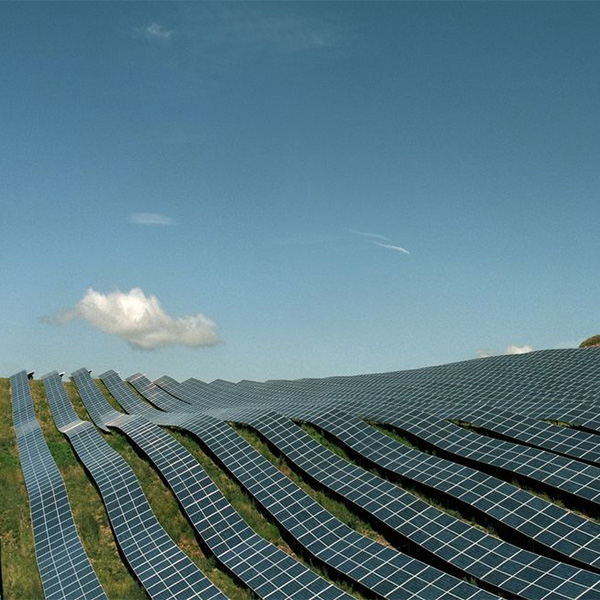
After stakeholder criticisms, MISO is insisting before FERC that it’s appropriate to take until 2030 to open its markets to aggregators of DERs.
JERA
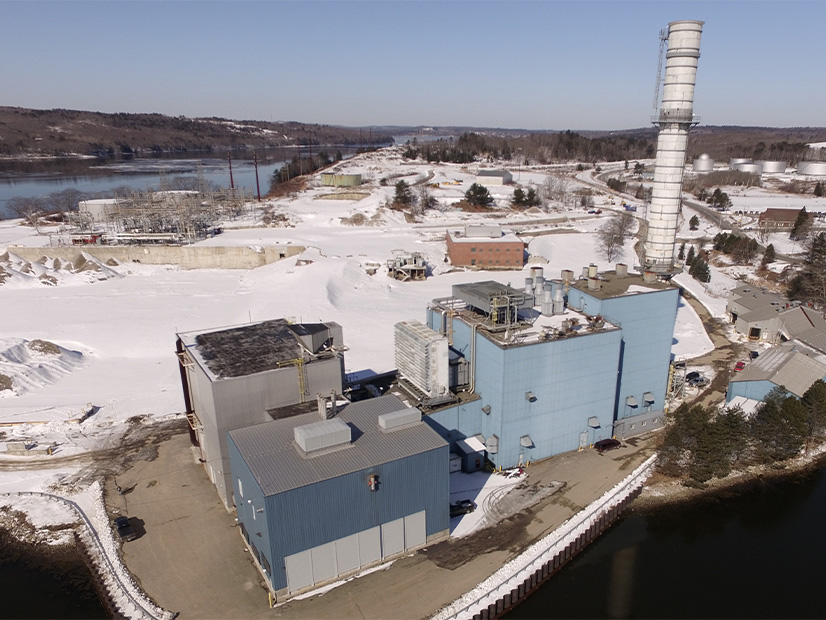
JERA's proposed acquisition of three generating units in New England raises competition concerns, say the Massachusetts Attorney General and Public Citizen.
Want more? Advanced Search