Federal Energy Regulatory Commission (FERC)
The Federal Energy Regulatory Commission is an independent agency that regulates the interstate transmission of electricity, natural gas and oil; reviews proposals to build LNG terminals and interstate natural gas pipelines; and licenses hydropower projects. FERC also oversees operations of regional wholesale electricity and natural gas markets and oversees the reliability of the bulk electric system.
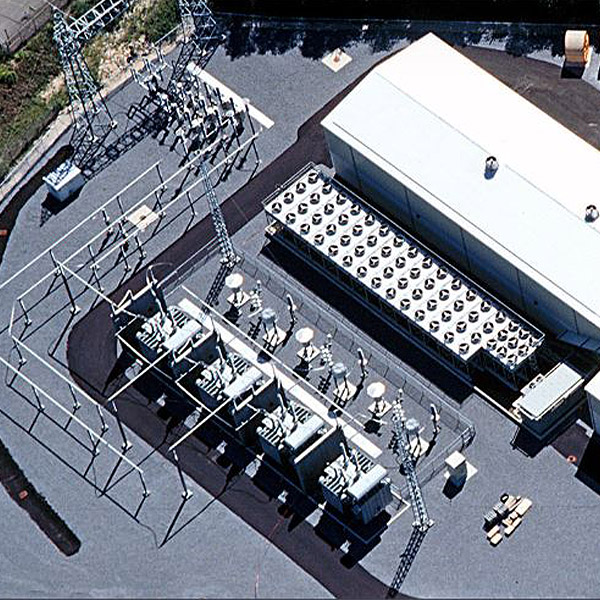
Cross-Sound Cable Co.
Utilities cannot recover prior costs of complying with NERC's critical infrastructure protection standards in ISO-NE, the D.C. Circuit Court said.
ITC Holdings
Despite Texas PUC Commissioner Will McAdams' forceful opposition, SPP approved a measure granting local projects an opportunity for regional funding.
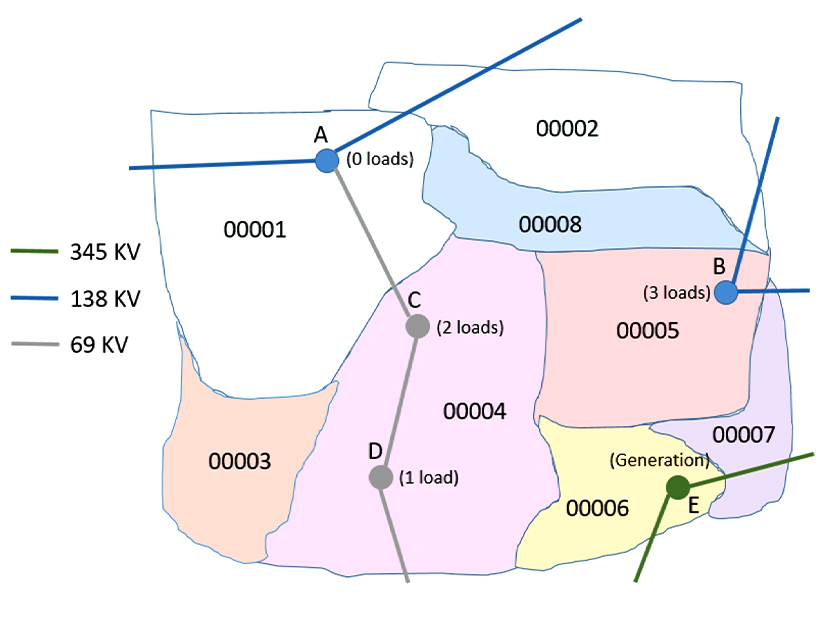
PJM
PJM stakeholders unanimously endorsed enhancements to the dead bus replacement logic for assigning prices to de-energized pricing nodes at the MRC meeting.
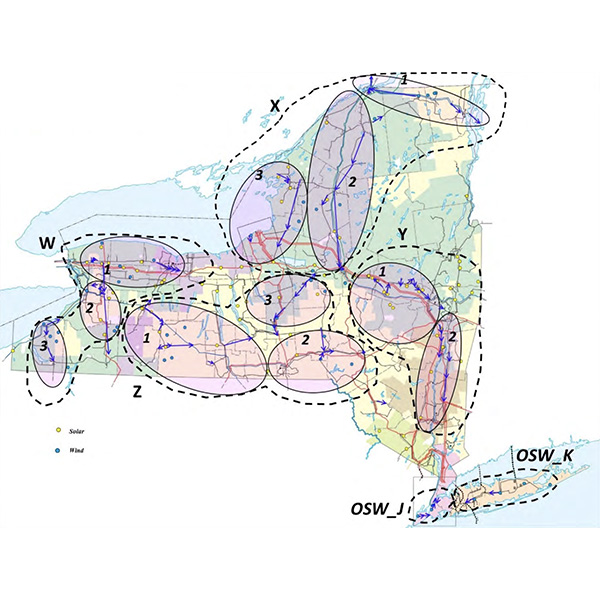
NYISO
New York utilities recommended a coordinated grid planning process with a revised benefit-cost analysis method and a new advisory council to manage the effort.
DTE Energy
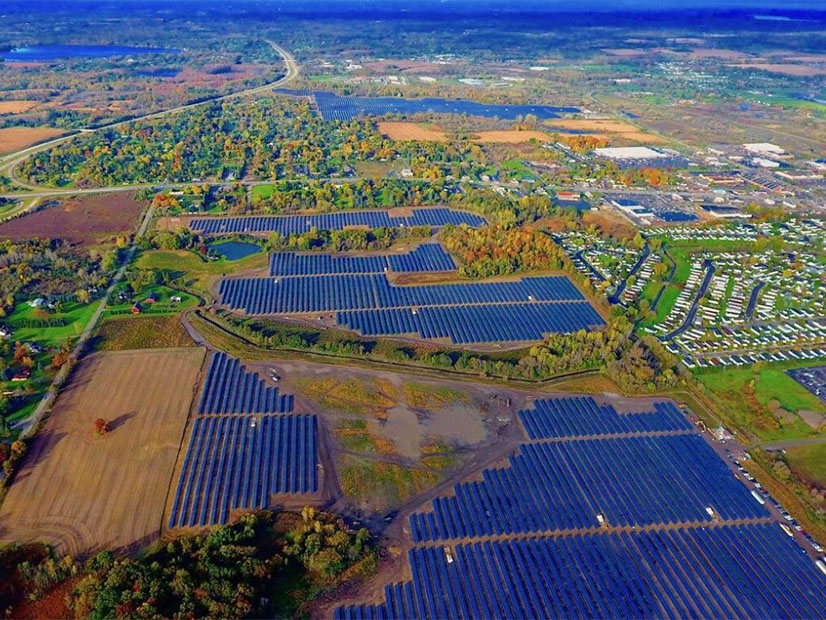
MISO’s resource adequacy stakeholder group is starting the new year by tackling new capacity accreditations for renewable and energy storage resources.
MISO, SPP
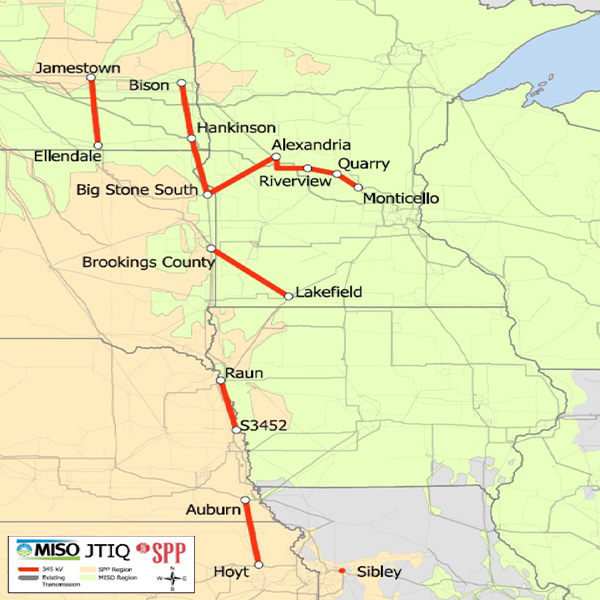
MISO and SPP shared the Joint Targeted Interconnection Queue study's first draft, with seven projects that would resolve several transmission constraints.
PJM
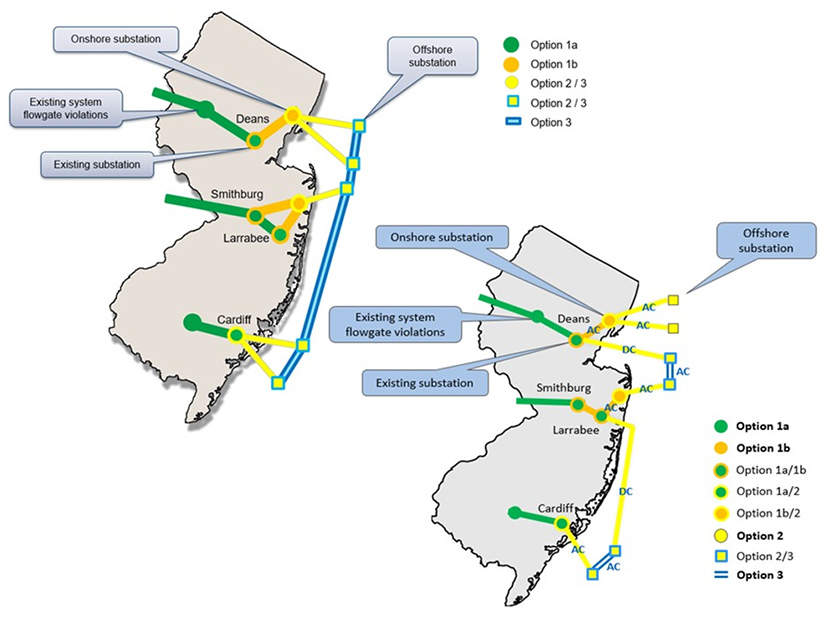
PJM and New Jersey asked FERC to OK their plan for building transmission to deliver the state’s planned 7,500 MW of offshore wind.
Xcel Energy
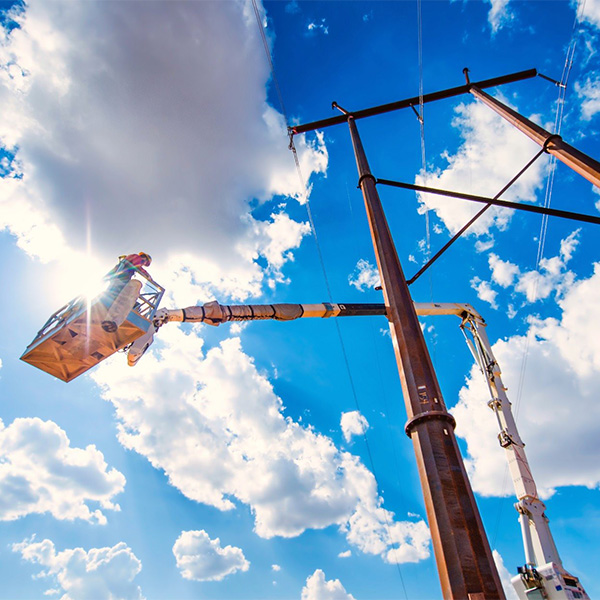
MISO wrapped discussion on how it plans to share the costs of the first group of projects identified under its multistage long-range transmission plan.
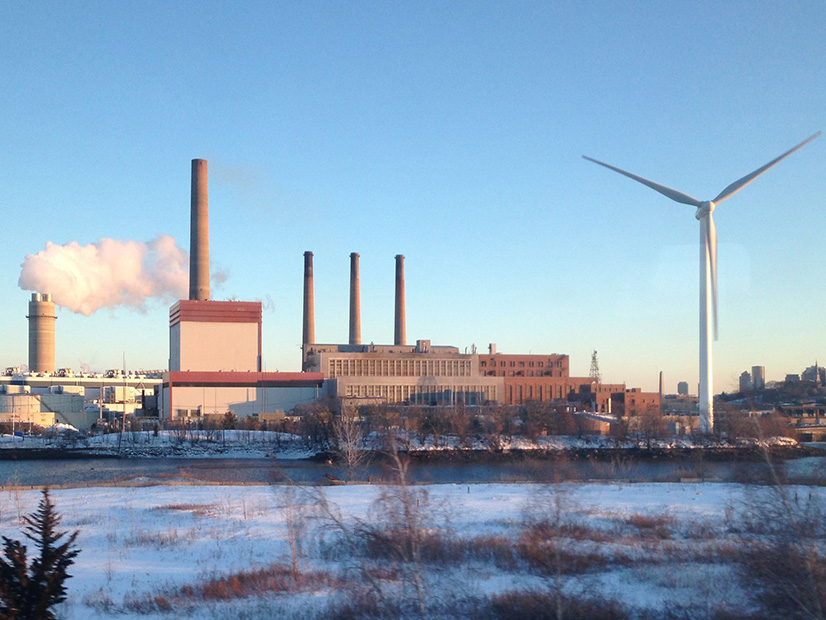
Fletcher6, CC BY-SA 3.0, via Wikimedia Commons
ISO-NE has proposed maintaining its MOPR for the next two capacity auctions and eliminating it for FCA 19, with RTR exemptions of 700 MW over that period.
Shutterstock
The D.C. Circuit overruled FERC in cases brought by San Francisco against the commission and PG&E, which the city said refused to provide required service.
Want more? Advanced Search