Federal Energy Regulatory Commission (FERC)
The Federal Energy Regulatory Commission is an independent agency that regulates the interstate transmission of electricity, natural gas and oil; reviews proposals to build LNG terminals and interstate natural gas pipelines; and licenses hydropower projects. FERC also oversees operations of regional wholesale electricity and natural gas markets and oversees the reliability of the bulk electric system.
© RTO Insider LLC
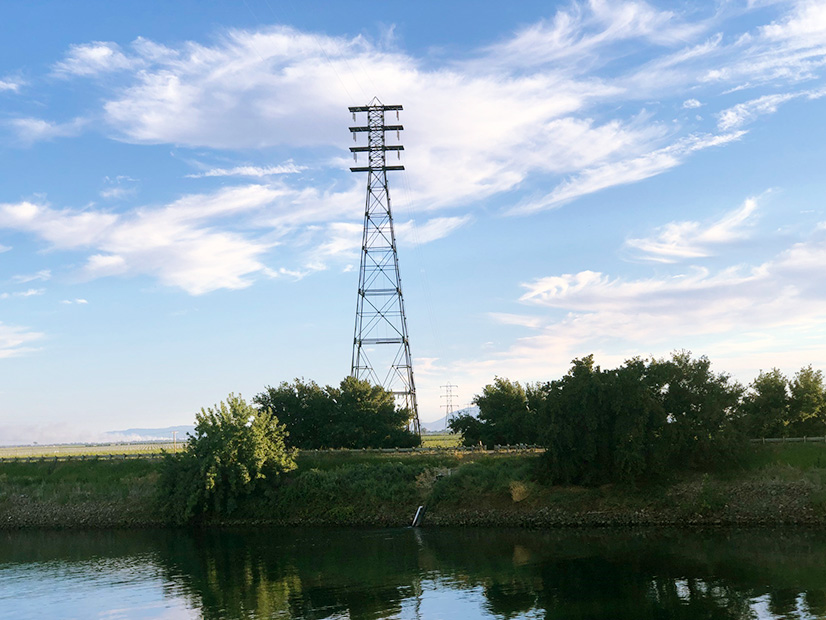
The D.C. Circuit Court of Appeals said FERC erred in basing its decision on CAISO capacity procurement payments on a prior ruling.
Shutterstock
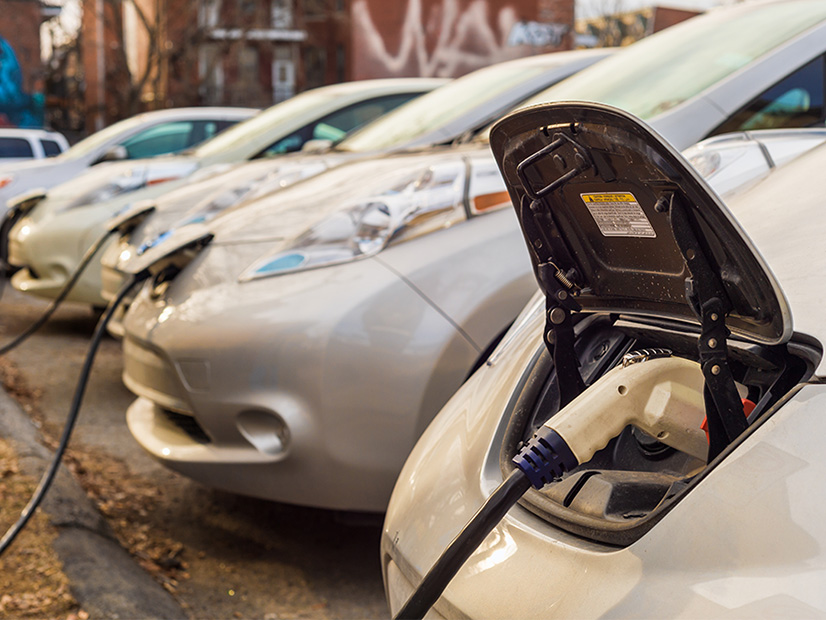
In its final meeting of 2021, the New Jersey BPU moved ahead with actions to put more EV chargers in minority and low-income communities.
Canadian Coast Guard
The ICAP/MIWG discussed rising energy prices, Order 2222 compliance, dynamically scheduling reserves and keeping critical infrastructure out of DR programs.
NYDPS
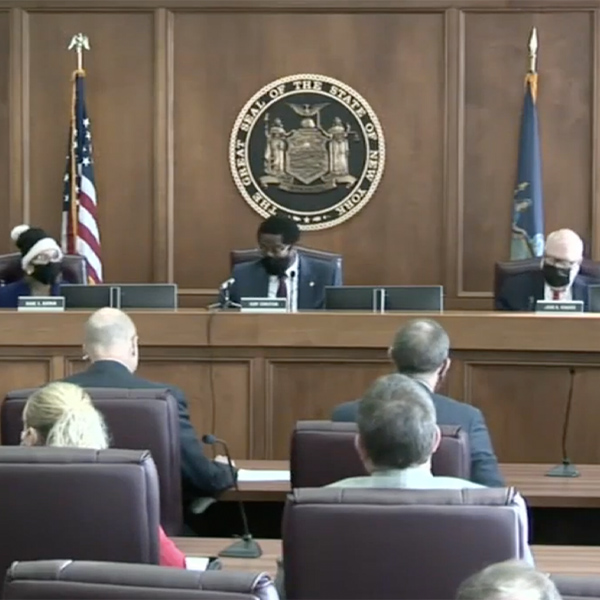
New York regulators approved Exelon’s request to split its transmission and distribution business from its merchant nuclear power generation.
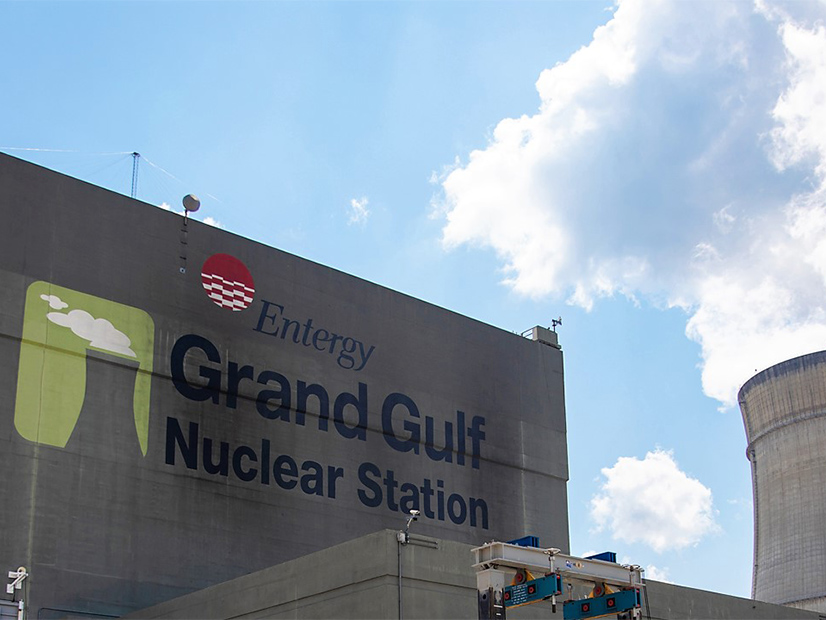
Entergy
FERC refused to appoint an individual to oversee discovery in an ongoing dispute over Entergy’s decommissioning deduction for its Grand Gulf nuclear station.
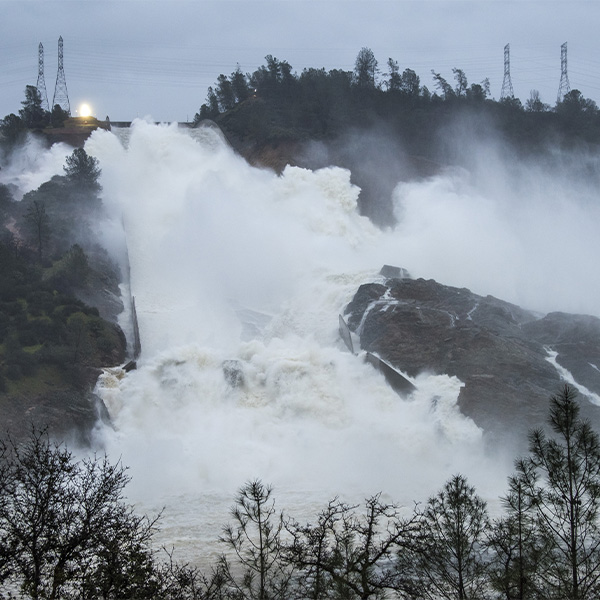
California Department of Water Resources
FERC approved a rule to improve hydro dam safety by instituting a program of two-tier inspections performed by teams with site-specific expertise.
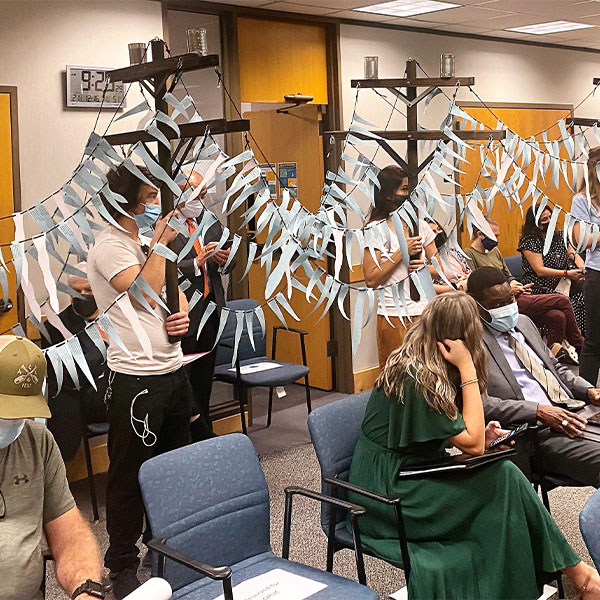
Eric Goff
Texas regulators on Thursday pushed ahead with a market re-design strawman, issuing directives to ERCOT to work with PUC staff in implementing the changes.
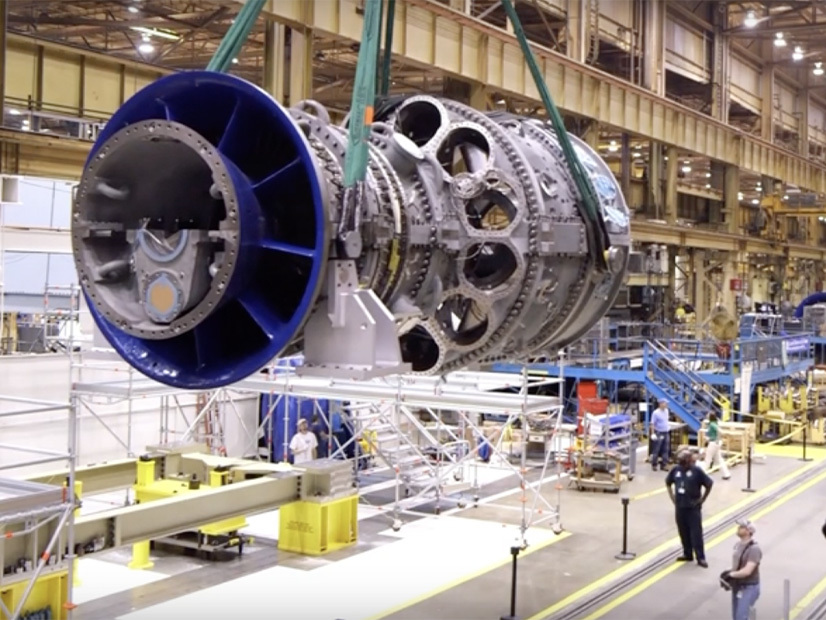
GE Power
FERC accepted PJM tariff changes covering non-rate provisions for black start service, including commitment and termination periods.

© RTO Insider LLC
FERC opened an inquiry over whether utility customers should pay for dues of trade associations that seek policies that may be contrary to consumers’ interests.
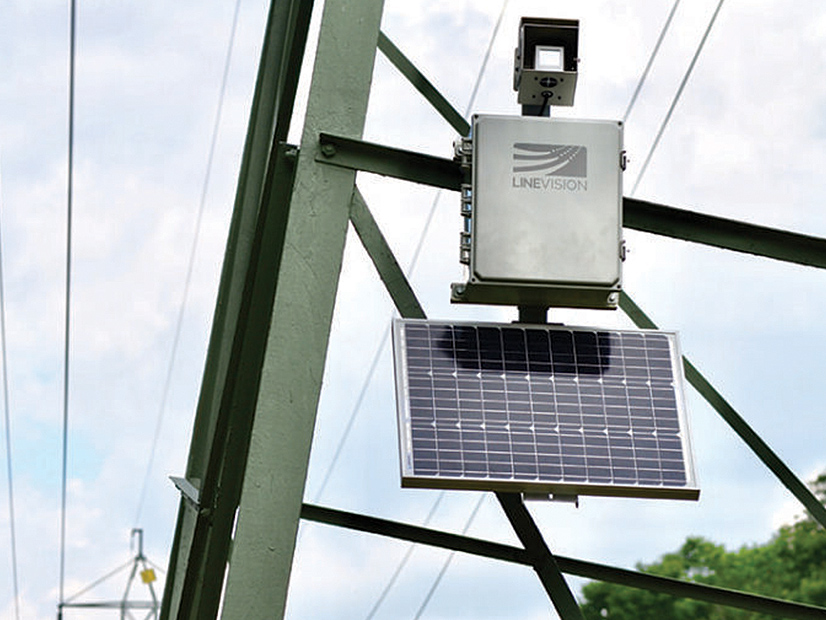
FERC ordered transmission providers to end the use of static line ratings in evaluating near-term service, saying it will increase utilization of the grid.
Want more? Advanced Search