Federal Energy Regulatory Commission (FERC)
The Federal Energy Regulatory Commission is an independent agency that regulates the interstate transmission of electricity, natural gas and oil; reviews proposals to build LNG terminals and interstate natural gas pipelines; and licenses hydropower projects. FERC also oversees operations of regional wholesale electricity and natural gas markets and oversees the reliability of the bulk electric system.
PJM
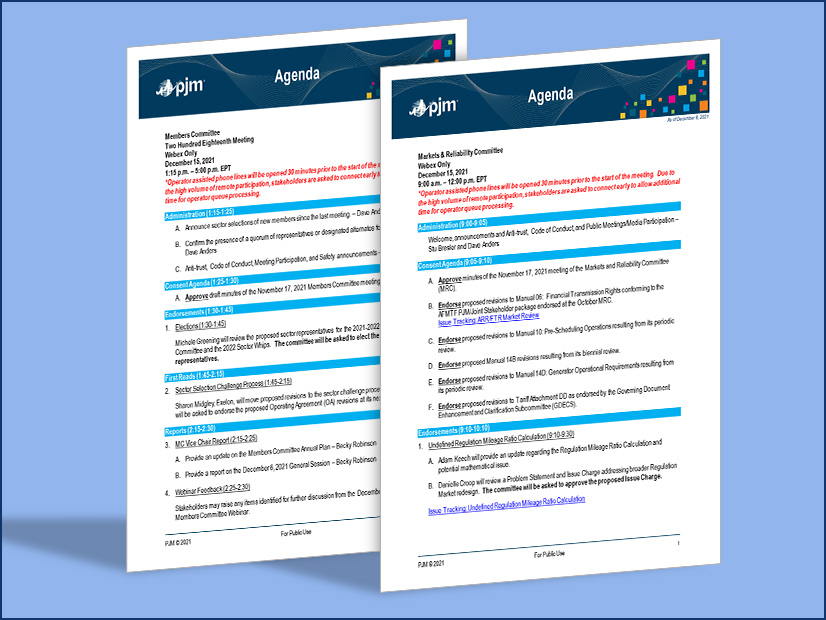
A summary of the issues scheduled to be brought to a vote at the PJM Markets and Reliability Committee and Members Committee meetings on Dec. 15, 2021.
Matthew T. Rader, CC BY-SA 4.0, via Wikimedia Commons
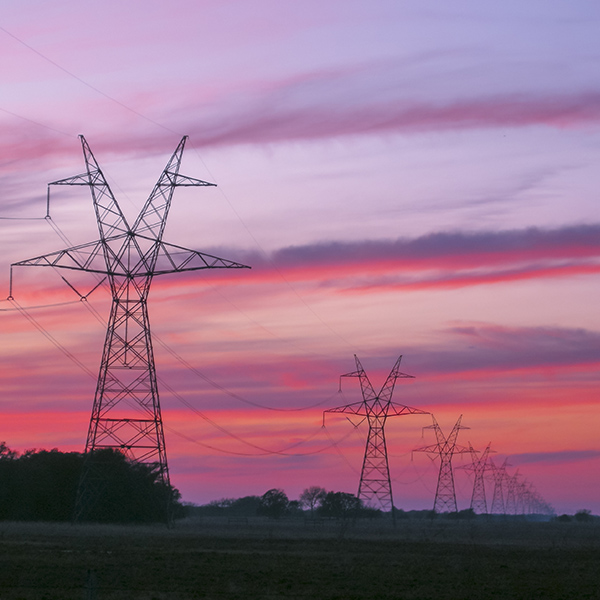
Representatives of FERC, MISO, the Kansas Corporation Commission and Pattern Energy discussed interregional transmission planning at the CLEANPOWER conference.
Setra Systems
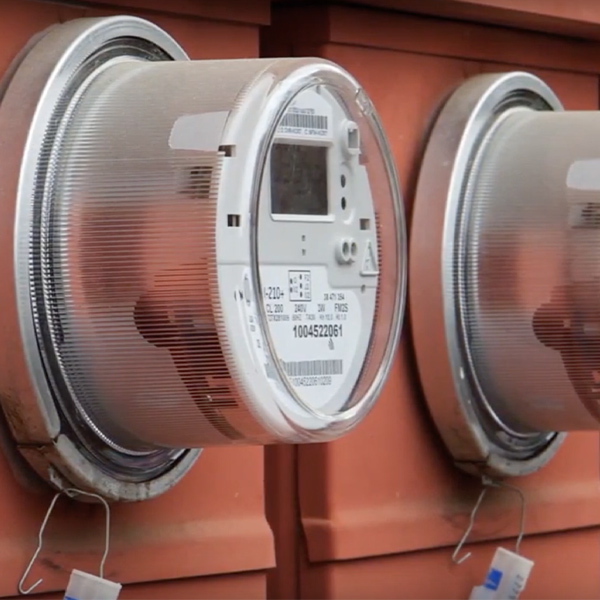
The NEPOOL Markets Committee approved ISO-NE’s proposed compliance filing to implement FERC Order 2222.
Missouri State Representative Jim Murphy
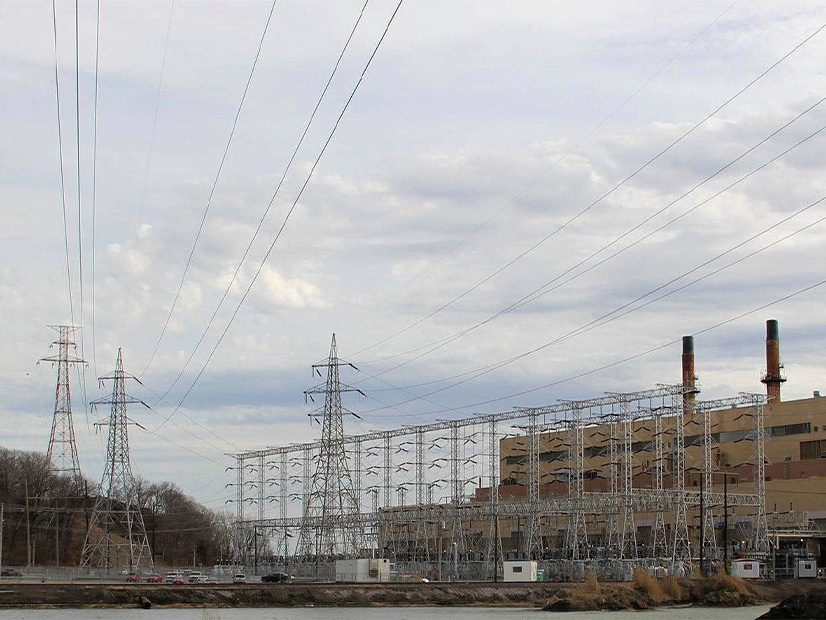
MISO will jettison the most inexpensive step of its operating reserve demand curve, explaining that $200/MWh pricing is too low during shortage conditions.
ISO-NE Internal Market Monitor
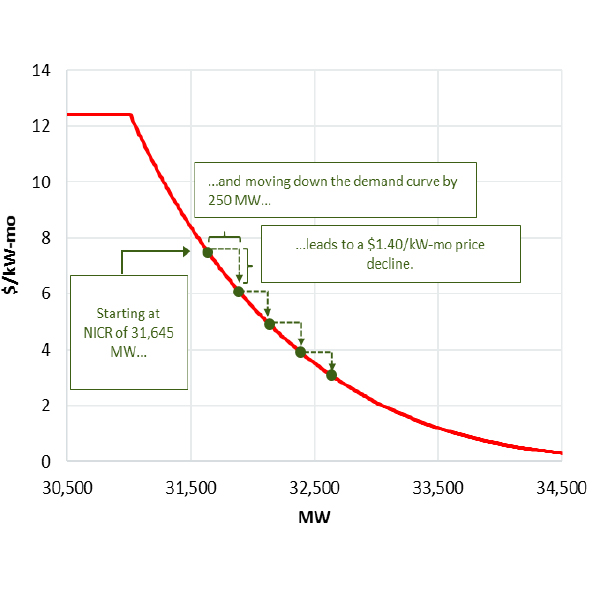
Merchant generators joined ISO-NE’s Internal Market Monitor in warning that the RTO’s proposal to eliminate MOPR will suppress prices.
Invenergy
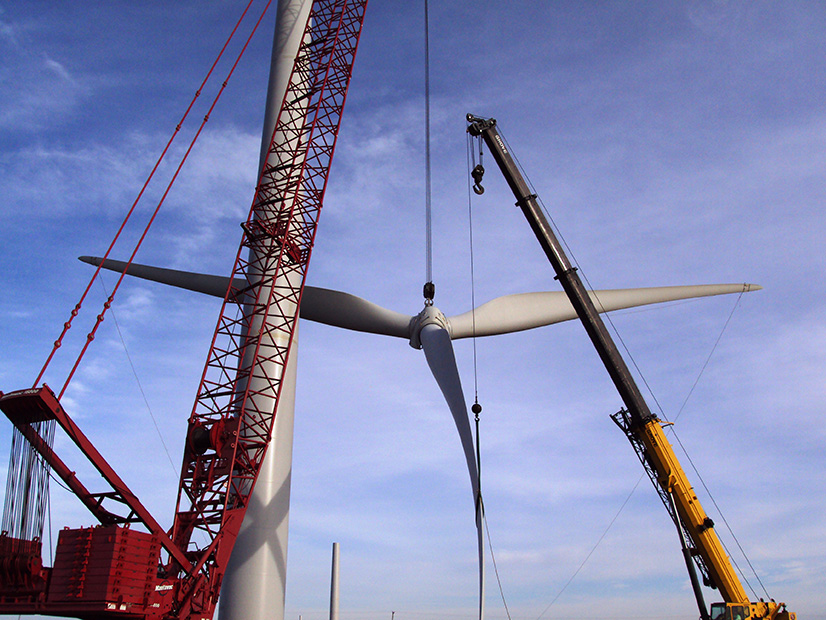
FERC settled two disputes over waivers from SPP’s generator interconnection procedures, approving one, denying the other, with Mark Christie dissenting on both.

© RTO Insider LLC
FERC Chair Richard Glick, Tony Clark and Suedeen Kelly discussed options for states seeking to interconnect more renewables at SEIA's 30x30 Policy Forum.
ITC Holdings
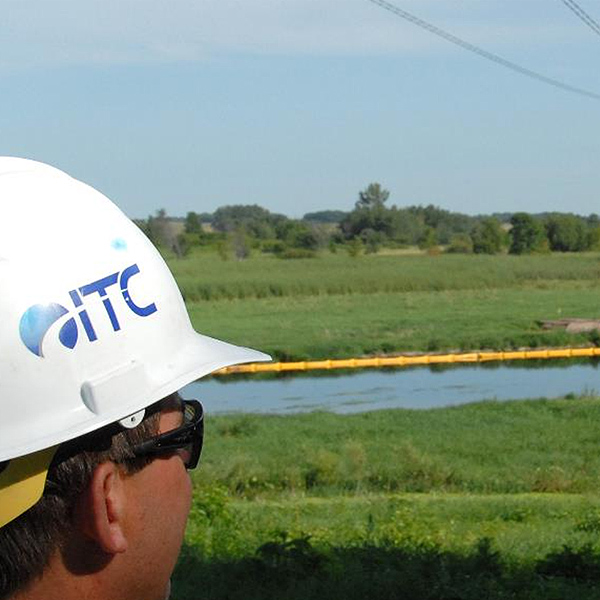
A bill granting incumbent transmission owners the right of first refusal to build and operate transmission in Michigan won final legislative approval.
ISO-NE
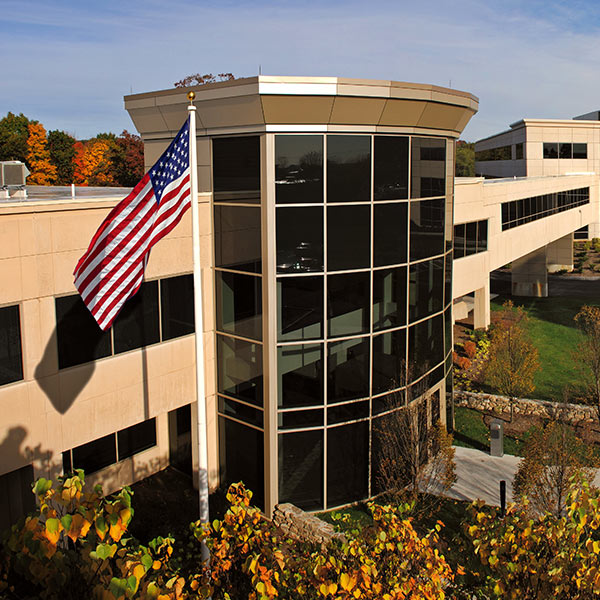
FERC Commissioner Allison Clements told the ISO-NE CLG that the U.S. is facing a changing resource mix that requires intelligent transmission planning.
Entergy
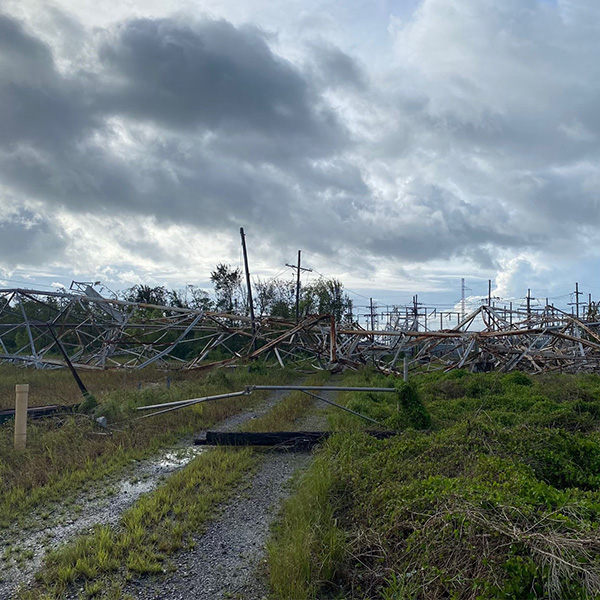
FERC authorized Entergy La. and Entergy NOLA to assume more than $15 billion in debt and securities, in part to make up losses incurred during Hurricane Ida.
Want more? Advanced Search