Federal Energy Regulatory Commission (FERC)
The Federal Energy Regulatory Commission is an independent agency that regulates the interstate transmission of electricity, natural gas and oil; reviews proposals to build LNG terminals and interstate natural gas pipelines; and licenses hydropower projects. FERC also oversees operations of regional wholesale electricity and natural gas markets and oversees the reliability of the bulk electric system.
Xcel Energy
MISO plans to file in December to create separate but identical cost allocation designs for MISO Midwest and MISO South under its long-range transmission plan.
ISO-NE
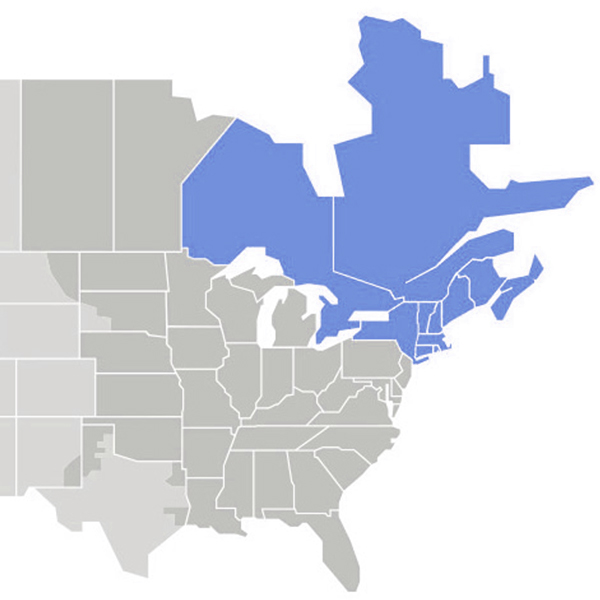
NPCC will focus next year on ensuring reliability, integrating DERs and renewables and protecting infrastructure from cyber and physical threats.

© RTO Insider LLC
The Federal-State Task Force on Electric Transmission convened its first meeting before NARUC with optimism, debates and a sense of urgency.
© RTO Insider LLC
A new report from FERC, NERC and the regional entities identifies common issues with registered entities' protection system commissioning programs.

Princeton University
A trio of experts at NARUC's annual meeting presented various perspectives on reaching net-zero emissions.
SEEM
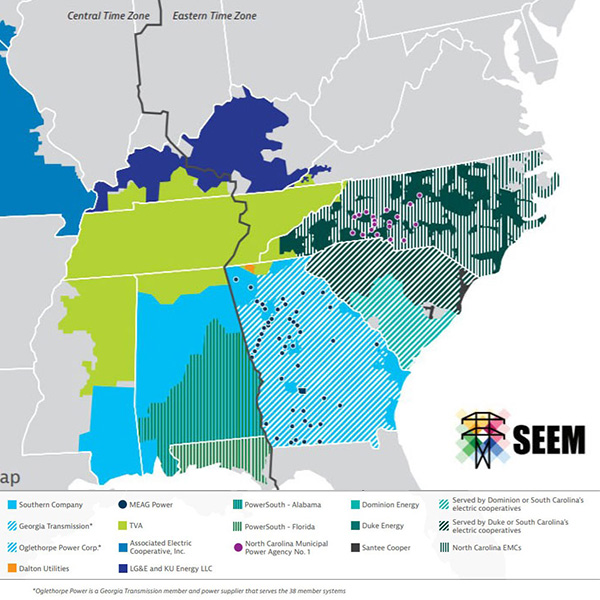
FERC accepted revisions to four SEEM utilities' tariffs implementing the special transmission service used to deliver the market’s energy transactions.
© RTO Insider LLC
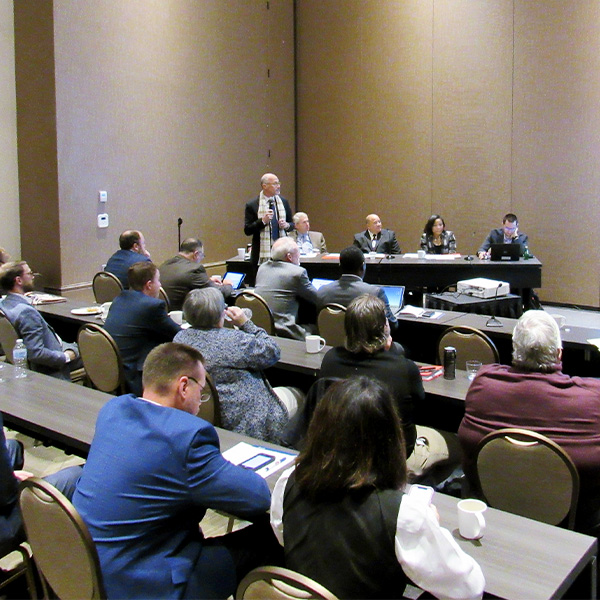
Amid clashes with MISO on transmission planning and cost allocation, the Entergy State Regional Committee featured introductions to SPP’s and SEEM’s workings.
PGE
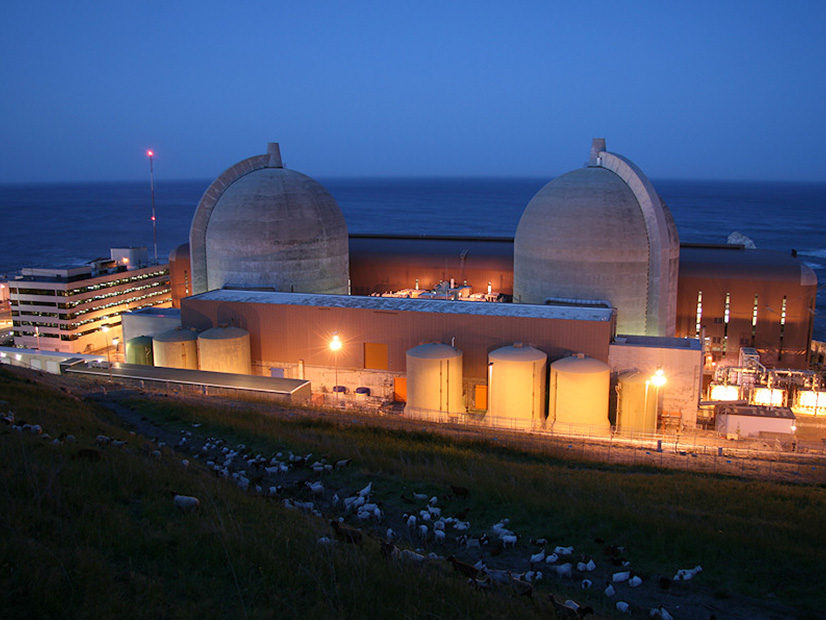
A new study says operating PG&E's Diablo Canyon nuclear plant beyond its scheduled 2025 retirement would cut costs, cut emissions and bolster reliability.
NARUC
Panelists at the National Association of Regulated Utility Commissioners' annual meeting said requiring documentation of software's origins may be tricky.
Con Edison
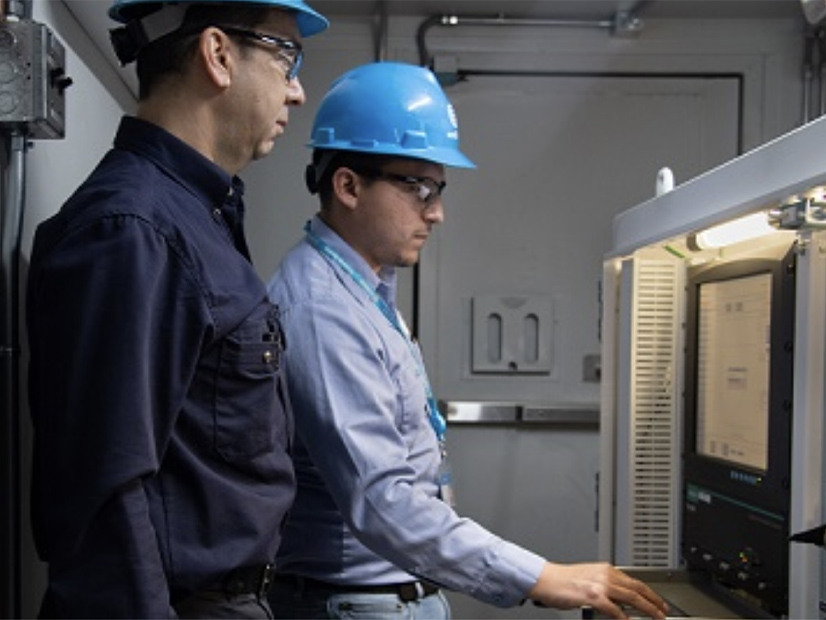
With a filing due Nov. 19, NYISO presented stakeholders its draft responses to FERC’s data request regarding its Order 2222 compliance.
Want more? Advanced Search