Federal Energy Regulatory Commission (FERC)
The Federal Energy Regulatory Commission is an independent agency that regulates the interstate transmission of electricity, natural gas and oil; reviews proposals to build LNG terminals and interstate natural gas pipelines; and licenses hydropower projects. FERC also oversees operations of regional wholesale electricity and natural gas markets and oversees the reliability of the bulk electric system.
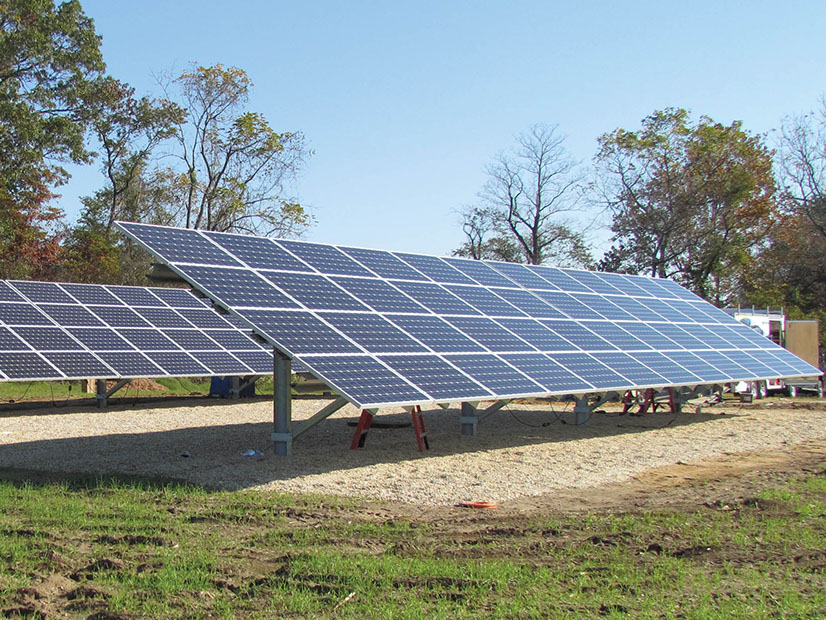
Paradise Energy Solutions
PJM and its stakeholders continue to jostle over the impact of the proposed replacement for the expanded MOPR as responses continue to be filed at FERC.
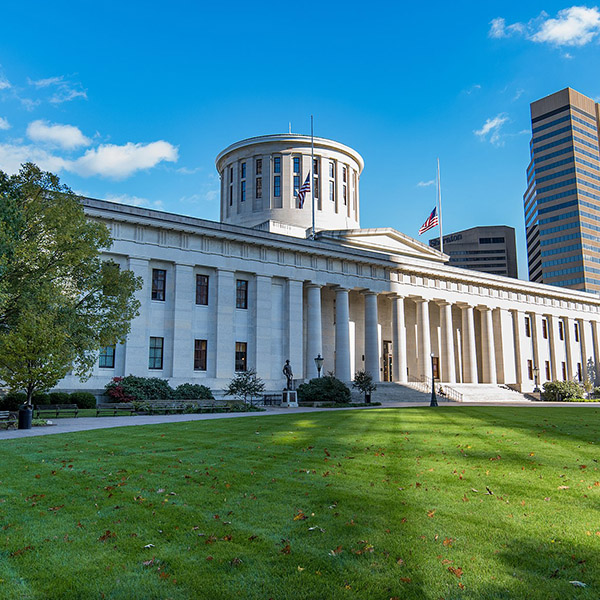
Ɱ, CC BY-SA 4.0, via Wikimedia Commons
GOP legislators from Ohio, who have rolled back the state's renewable energy goals, asked FERC to reject a PJM rule change regarding subsidized generation.
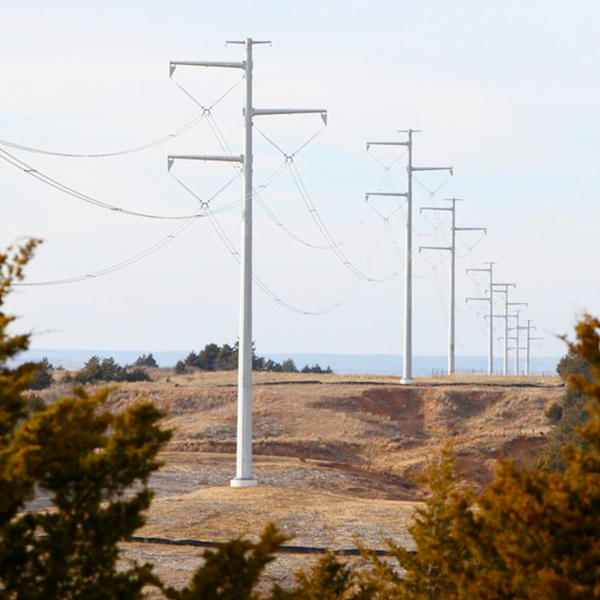
Oklahoma Gas and Electric
The D.C. Circuit backed FERC's reversal of a waiver over SPP transmission upgrade costs, even though it resulted in a “free pass” for some system users.
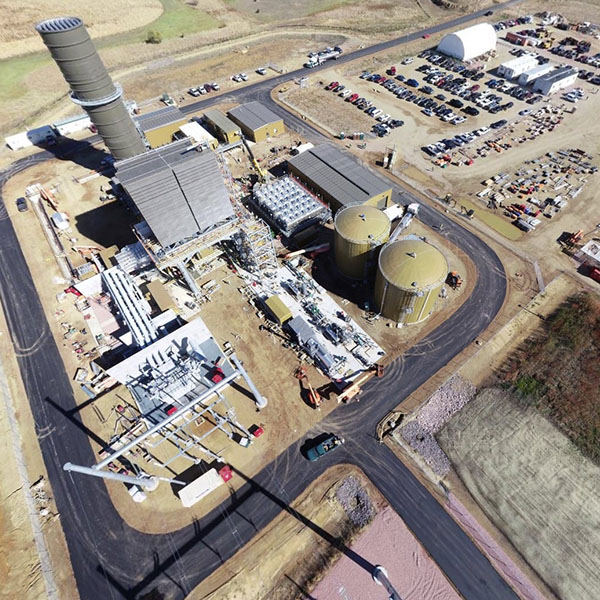
MISO is confirming final details of its bid for seasonal capacity auctions & availability-based accreditation while some stakeholders continue to criticize it.
Exelon
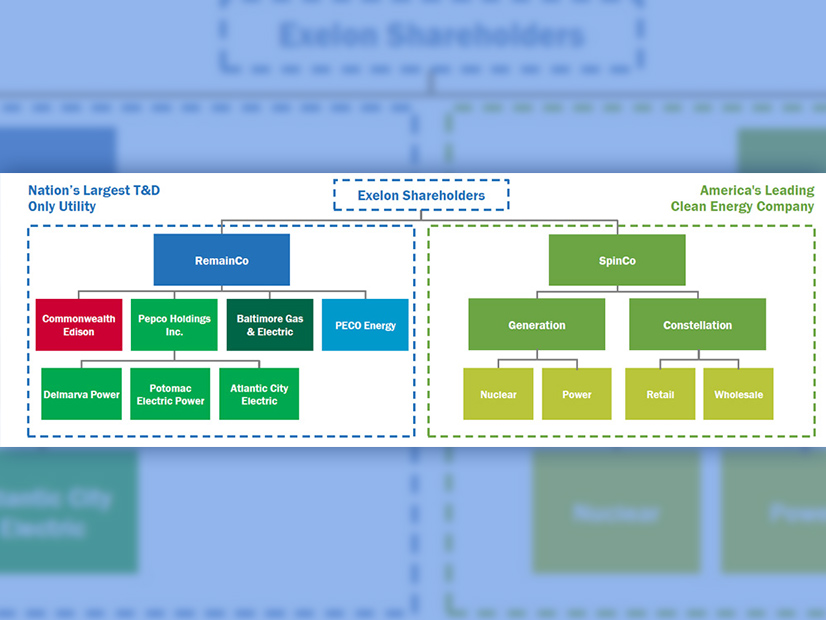
FERC Exelon’s proposal to split its regulated utility business and merchant power generation into two separate publicly traded companies.
Duke Energy Indiana
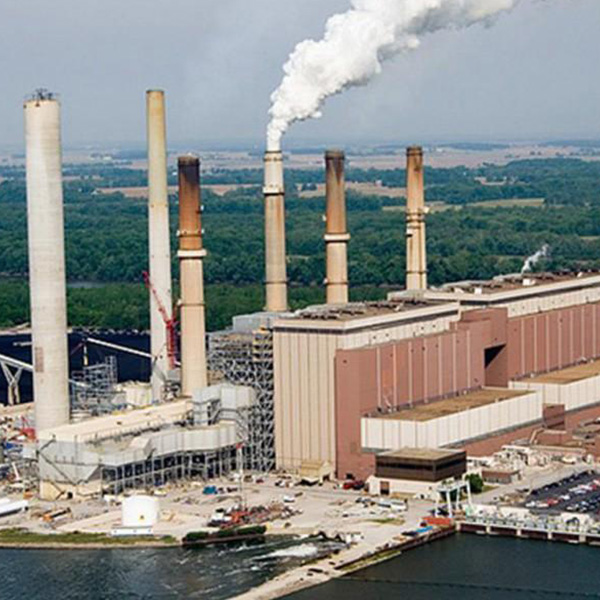
FERC has allowed a Singaporean government-owned investment firm to claim a 20% stake in Duke Energy Indiana over the concerns of public consumer groups.

SEEM
A group of North Carolina state legislators asked FERC to call a technical conference on alternatives to the proposed Southeast Energy Exchange Market.
Shutterstock
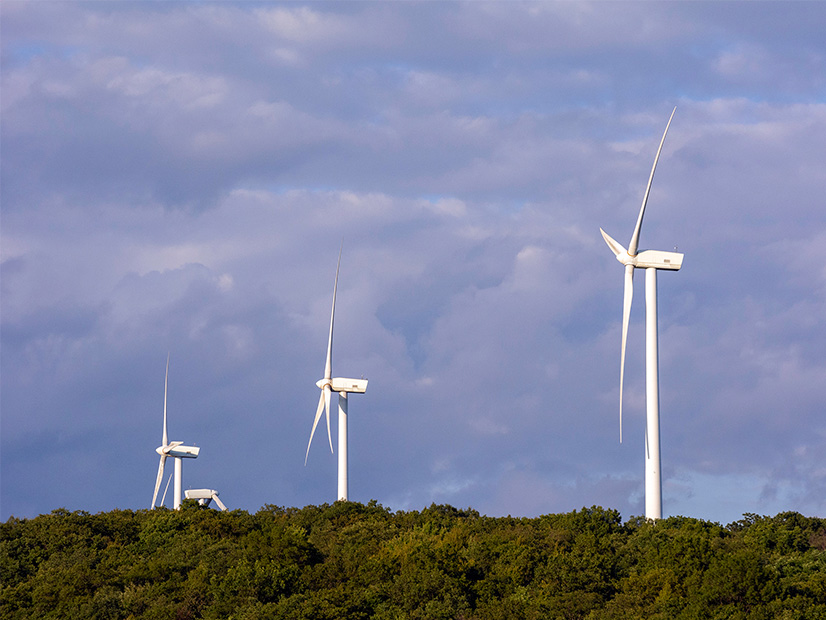
More than two dozen comments poured in to FERC regarding PJM’s proposed replacement for the extended minimum offer price rule.
© RTO Insider LLC
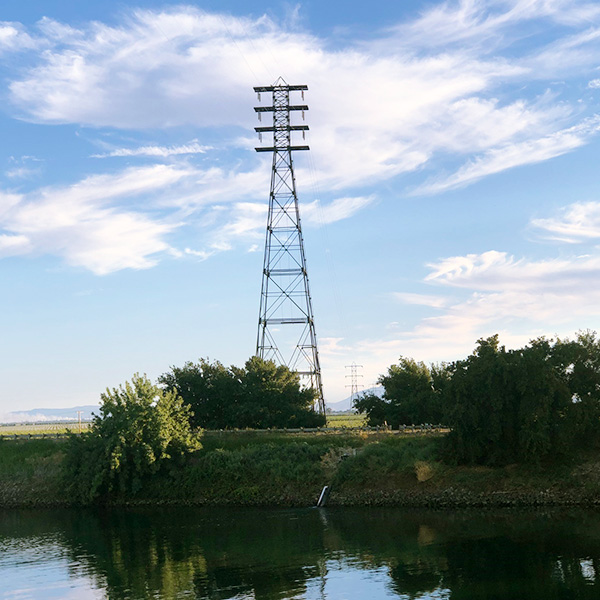
CAISO's Board of Governors and the Western Energy Imbalance Market Governing Body agreed to a new split of authority in which FERC could settle disputes.
PJM
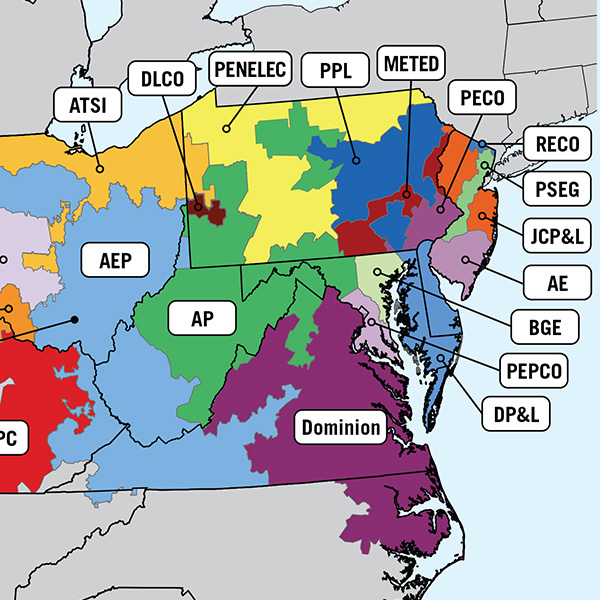
FERC directed PJM’s transmission owners to provide evidence that they are being squeezed financially by their inability to earn a return on network upgrades.
Want more? Advanced Search