Federal Energy Regulatory Commission (FERC)
The Federal Energy Regulatory Commission is an independent agency that regulates the interstate transmission of electricity, natural gas and oil; reviews proposals to build LNG terminals and interstate natural gas pipelines; and licenses hydropower projects. FERC also oversees operations of regional wholesale electricity and natural gas markets and oversees the reliability of the bulk electric system.
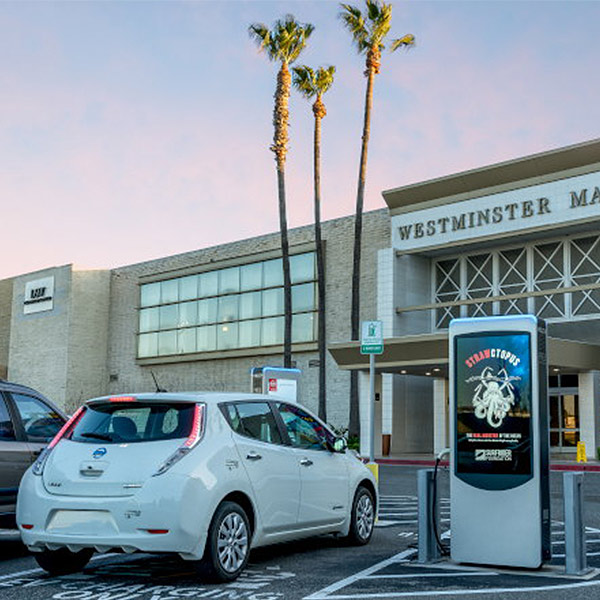
FERC approved a CAISO Tariff change to increase demand response participation by businesses offering on-site electric vehicle charging.
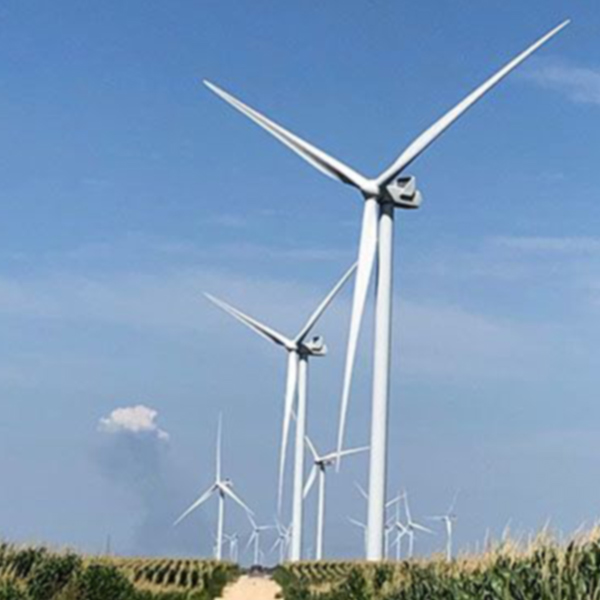
FERC accepted two previously rejected unexecuted generator interconnection agreements between SPP, OG&E and a pair of wind farms.
FERC
Most panelists urged FERC to support state and RTO efforts to introduce carbon pricing during a daylong technical conference.
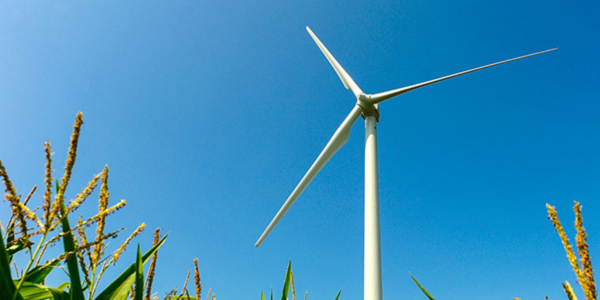
FERC said NextEra’s Crystal Lake II wind farm in Iowa may be improperly including O&M costs and transmission-related expenses in its reactive power rates.
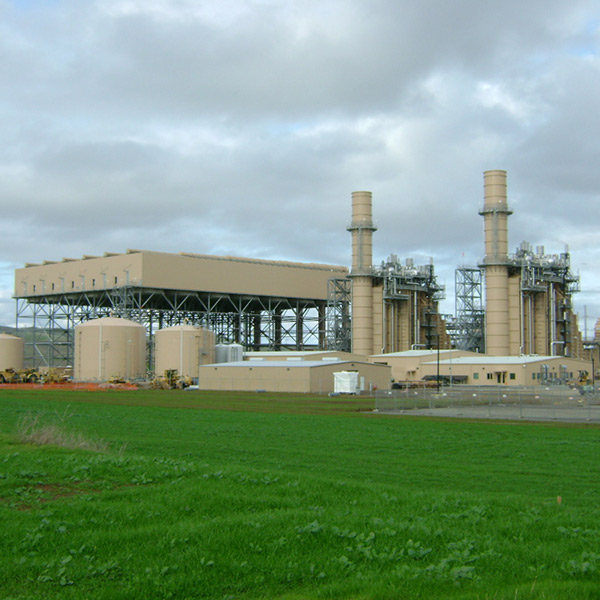
CAISO won FERC approval for its second effort to allow generators to recover the costs of higher natural gas prices.
The EBA’s Canadian Chapter held its first annual meeting online, with discussions on cybersecurity and holding virtual hearings amid the COVID-19 pandemic.
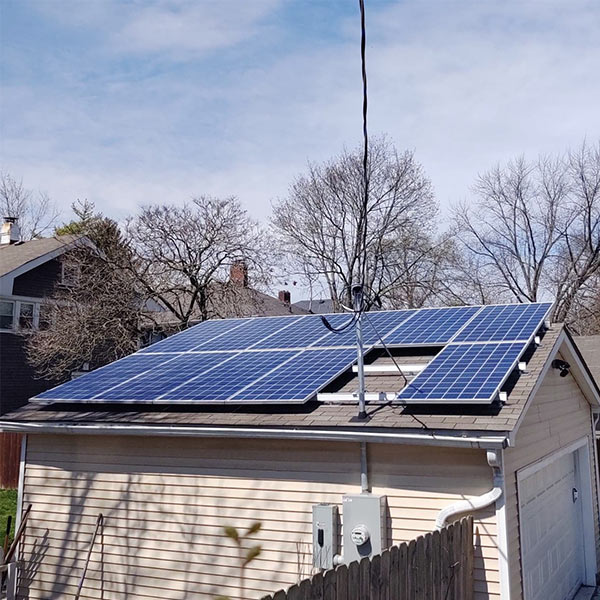
MISO is considering how to restrict generation developers’ ability to change the fuel type of proposed projects in the interconnection queue.
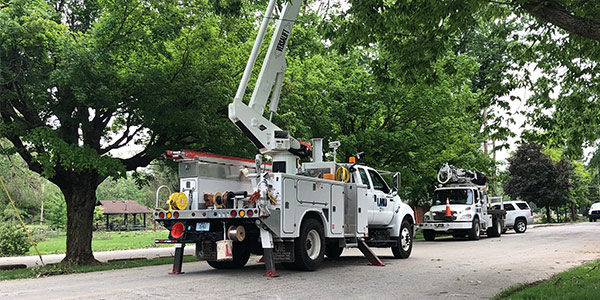
FERC ruled generating facilities that are not online and producing energy must pay for their station power at retail rates subject to state jurisdiction.
FERC ruled Avista violated its own tariff by requiring BPA to acquire additional firm point-to-point transmission service to self-supply operating reserves.
FERC denied LG&E and KU’s request for rehearing of its order rejecting the company’s proposed transition for exiting from market power mitigation measures.
Want more? Advanced Search