Federal Energy Regulatory Commission (FERC)
The Federal Energy Regulatory Commission is an independent agency that regulates the interstate transmission of electricity, natural gas and oil; reviews proposals to build LNG terminals and interstate natural gas pipelines; and licenses hydropower projects. FERC also oversees operations of regional wholesale electricity and natural gas markets and oversees the reliability of the bulk electric system.
FERC ordered RTOs and ISOs to open their markets to distributed energy resource aggregations now largely limited to providing demand response.
President Trump’s nominees to FERC, Allison Clements and Mark Christie, said just enough to satisfy senators on both sides.
FERC has sided with the Wabash Valley Power Association in a skirmish with a cooperative member over its distributed generation rules.
Stakeholders asked FERC to reverse its order accepting the PJM Transmission Owners sector’s Tariff amendments governing end-of-life projects.
FERC Commissioner Bernard McNamee bid farewell to the commission after a 21-month term.
FERC broke with precedent in a decision that will hamstring the ability of hybrid resource developers to optimize the output of projects.
FERC rejected NYISO’s proposal to support policy resources in clearing its capacity market, causing a dissent from Commissioner Richard Glick.
FERC rejected SPP’s proposed Tariff revision to develop uniform local transmission planning criteria.
FERC affirmed that it has exclusive jurisdiction over Tri-State Generation and Transmission Association’s rates and member exit charges.
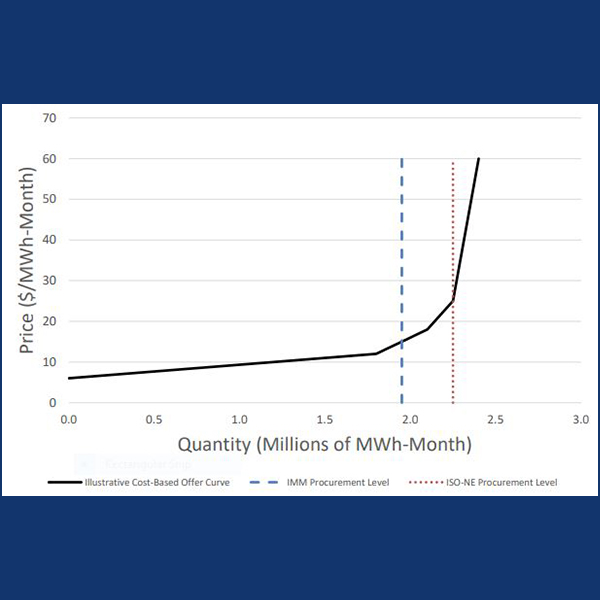
FERC defended its ruling approving bidding results in ISO-NE’s 2013/14 Winter Reliability Program in response to TransCanada Power Marketing.
Want more? Advanced Search