Federal Energy Regulatory Commission (FERC)
The Federal Energy Regulatory Commission is an independent agency that regulates the interstate transmission of electricity, natural gas and oil; reviews proposals to build LNG terminals and interstate natural gas pipelines; and licenses hydropower projects. FERC also oversees operations of regional wholesale electricity and natural gas markets and oversees the reliability of the bulk electric system.
FERC
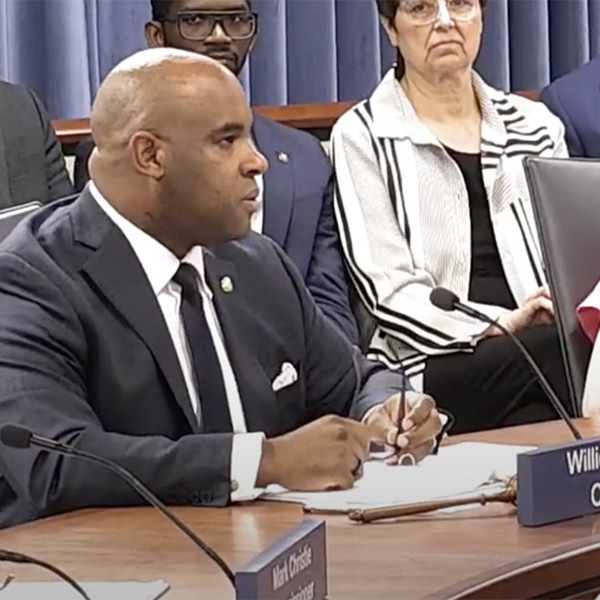
FERC is moving forward on its examination of dynamic line ratings, with the issuance of an Advance Notice of Proposed Rulemaking indicating the commission is considering requiring the transmission industry to adopt the technology.

MISO
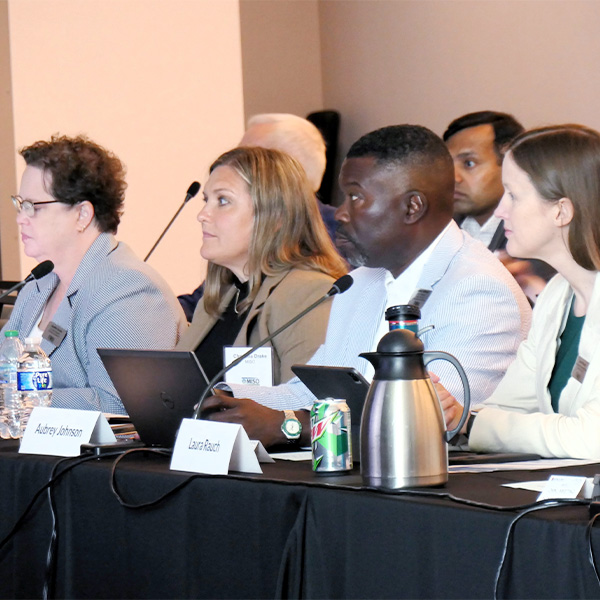
After two requests for more information and nine months, FERC has greenlit MISO’s plan to exchange its current, vertical curve for sloped demand curves in its seasonal capacity auctions.
© RTO Insider LLC
MISO reaffirmed its commitment to its second, $25 billion long-range transmission portfolio while stakeholders asked the RTO to be mindful of river crossings and whether it may reassign developers for the first LRTP portfolio’s projects in Iowa.

© RTO Insider LLC
FERC Order 1920 could help move the bar significantly on more efficiently expanding the transmission grid, but its ultimate success depends on how it and other policies are implemented, stakeholders say.

Shutterstock
NERC submitted to FERC its proposed cybersecurity reliability standard requiring utilities to implement internal network security monitoring software on select grid cyber systems.

© RTO Insider LLC
New Jersey’s Senate Environment and Energy Committee passed a bill supporters said would allow grid-scale solar projects of up to 20 MW to bypass PJM’s interconnection queue and connect to the grid through their local utility.
© RTO Insider LLC
FERC will consider several items touching on the ERO Enterprise at June 27 open meeting.

© RTO Insider LLC
FERC is expected to issue an order during its June open meeting on a complaint alleging PJM violated its Reliability Assurance Agreement when accrediting intermittent resources.
Talen Energy
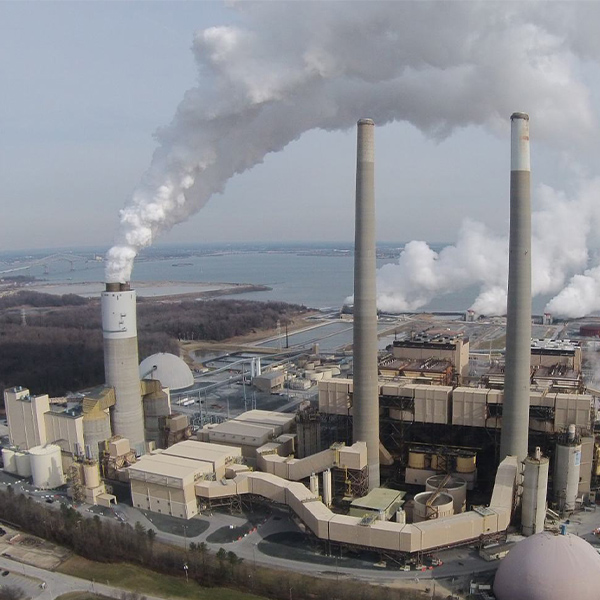
FERC has established settlement judge procedures to consider the validity of rate schedules filed by Talen Energy to continue operating its Brandon Shores and H.A. Wagner generators past their retirement date.
MISO and SPP
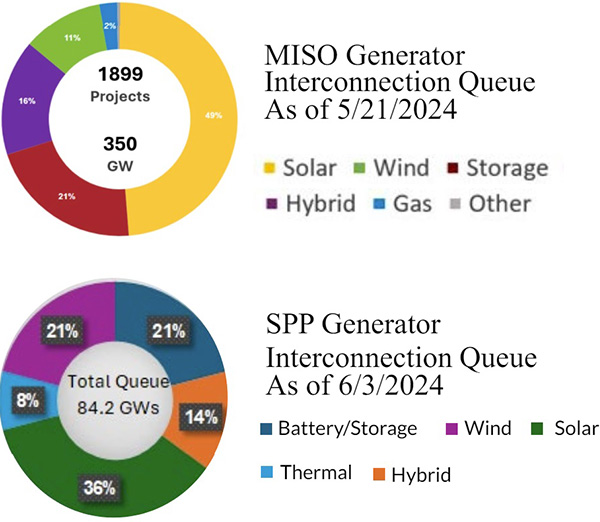
Two years after announcing its $1.8 billion Joint Targeted Interconnection Queue transmission portfolio with SPP, MISO is putting final touches on FERC filings to make it happen.
Want more? Advanced Search