greenhouse gas (GHG)
EPA
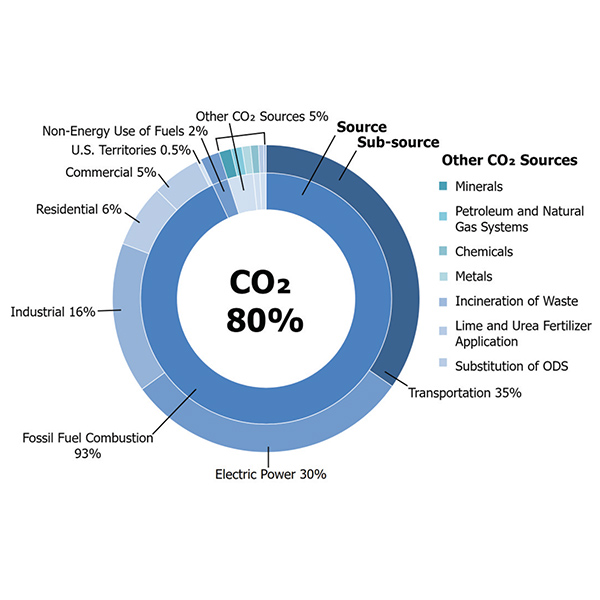
The topline figures from EPA’s new inventory of U.S. greenhouse gas emissions from 1990 to 2022 show the country’s slow and uneven progress toward President Joe Biden’s goal of cutting emissions by 50 to 52% below 2005 levels by 2030.
Volvo Trucks
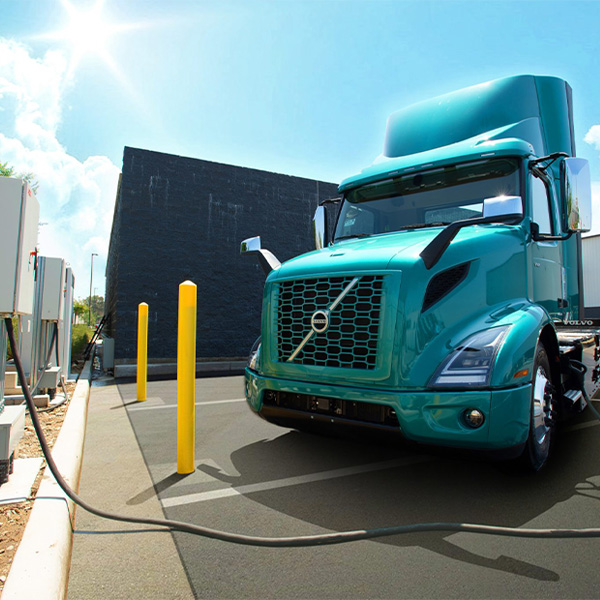
An estimated 72 million Americans, often people of color or with low incomes, live near truck routes that expose them to pollution resulting in higher rates of respiratory and cardiovascular illnesses and premature death.

EPA
EPA's final rule on light-duty vehicle emissions aims to give the industry more time and flexibility on how to reach its ambitious targets.

© RTO Insider LLC
Building decarbonization is at once critical for the environment, expensive for building owners and potentially taxing for the power grid.
CAISO
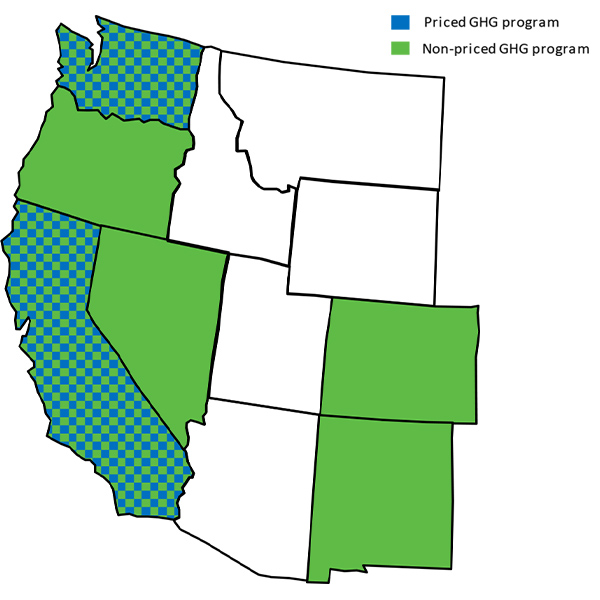
CAISO stakeholders and staff could soon be weighing two options for enabling the EDAM to track GHGs in a way that accommodates the patchwork of different carbon reduction programs across Western states.
Shutterstock
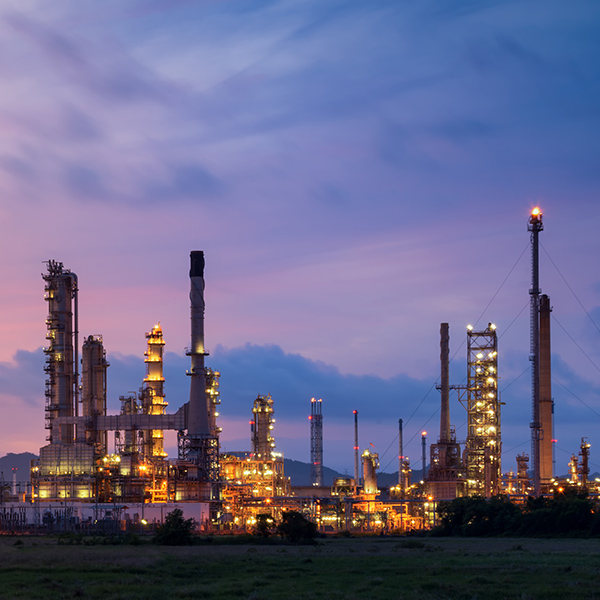
New EPA standards intended to reduce air emissions from the crude oil and natural gas industries are scheduled to be published this week.

Port of Los Angeles
Clean Ports aims to balance the vital role ports play in the economy with the air pollution produced by the diesel-powered trucks, trains and other equipment at these facilities.
State of Nevada
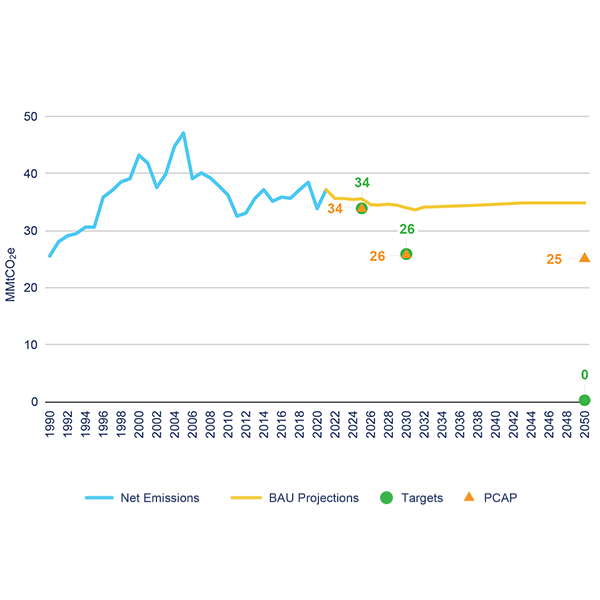
Nevada's Division of Environmental Protection received a $3 million federal grant to develop the strategy, known as the Priority Climate Action Plan.
Shutterstock
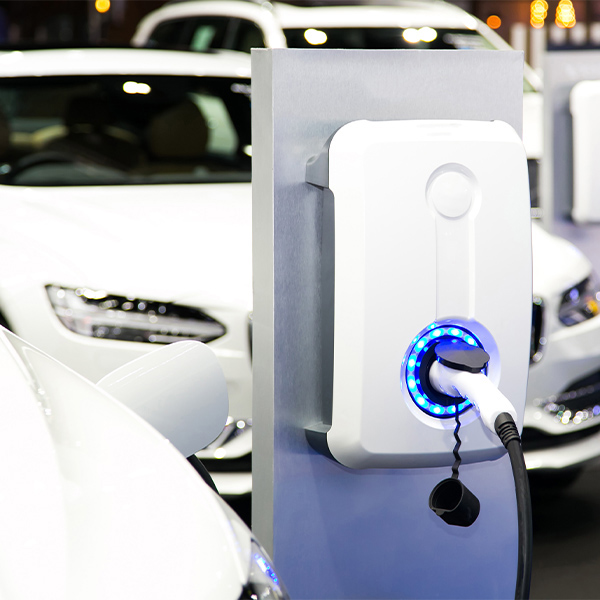
A new report finds that U.S. zero-emission vehicle sales meet industry expectations set upon passage of the IRA but utility-scale clean electricity expansion fall short.

Shutterstock
New York is moving to limit the use of sulfur hexafluoride in electrical power and distribution equipment and to reduce leakage of the most potent greenhouse gas.
Want more? Advanced Search