Loads and Transmission (CELT) report
ISO-NE
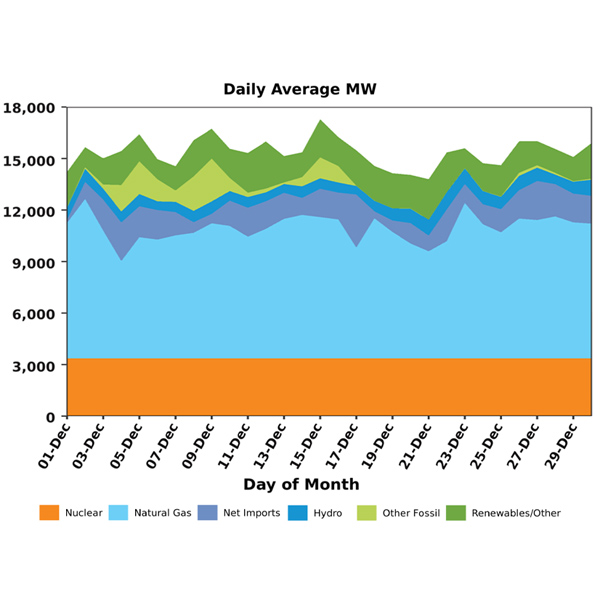
Consistently cold weather drove record-high December energy market costs for ISO-NE and caused the region to rely heavily on stored oil and LNG injections.
Yes Energy
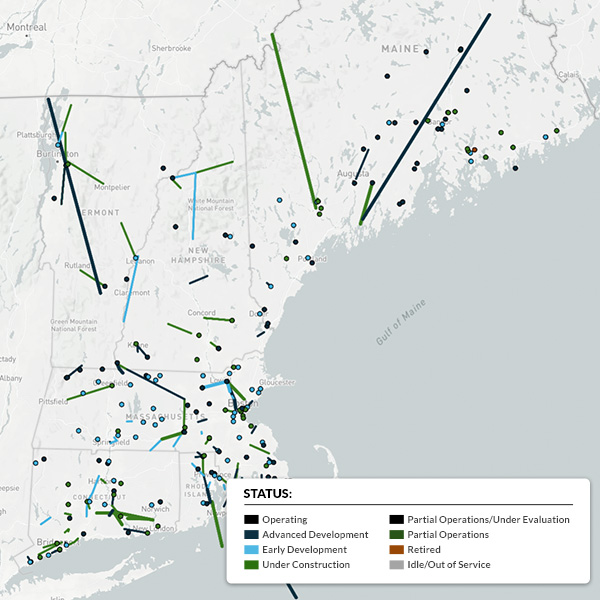
In New England, rules governing how new resources connect to the regional grid limit full use of the system’s potential. Precious “surplus” capacity can and should be leveraged to interconnect new, low-cost clean energy technologies to deliver more reliable, affordable power, says Alex Lawton.
ISO-NE
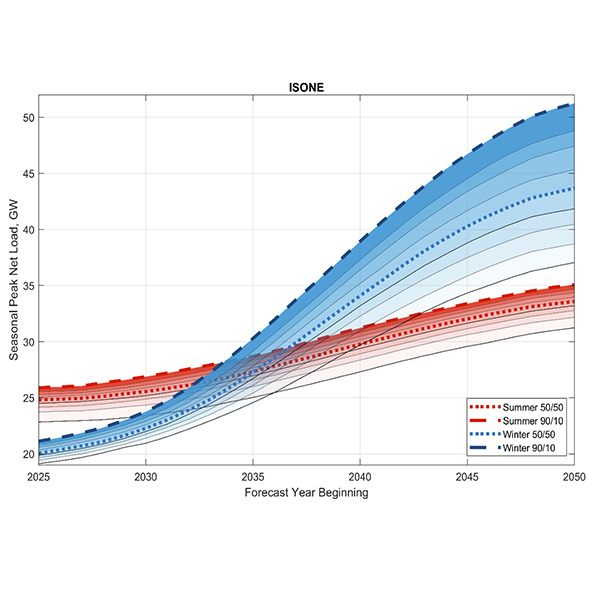
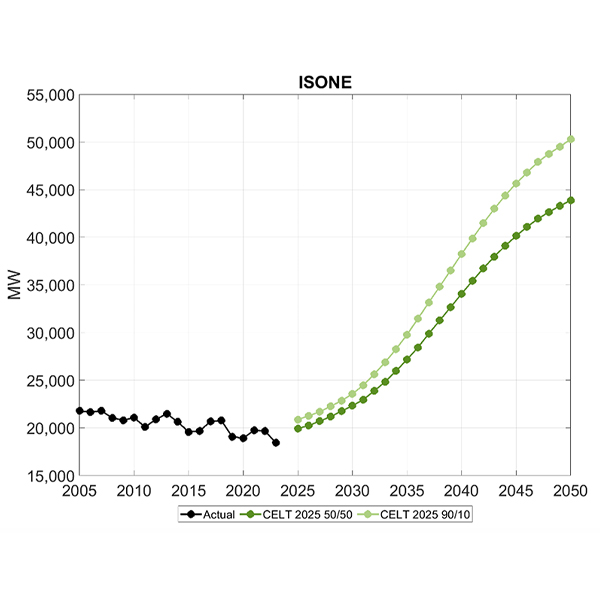
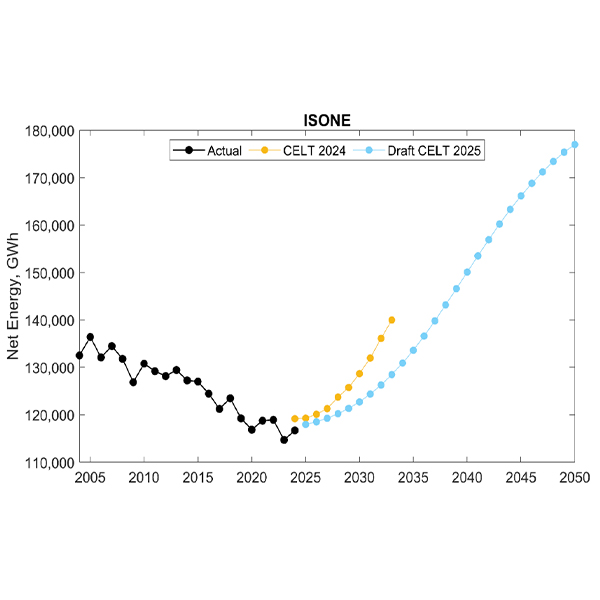
ISO-NE has significantly lowered its peak load and net energy expectations in its final 2025 10-year load forecast but still predicts the region’s peak load to grow by over 2 GW by 2034.
ISO-NE
ISO-NE plans to cut its winter peak load projection for 2033 by 7.2% and its summer peak projection by 1.8%, ISO-NE told the NEPOOL Reliability Committee.
ISO-NE
As part of a major overhaul of its annual load forecasting process, ISO-NE has significantly scaled back its electrification forecast for electric vehicles and heat pumps.

EDP Renewables
ISO-NE expects to have adequate resources to meet its projected 24,553-MW peak load this summer, the RTO announced as part of its summer outlook.
ISO-NE
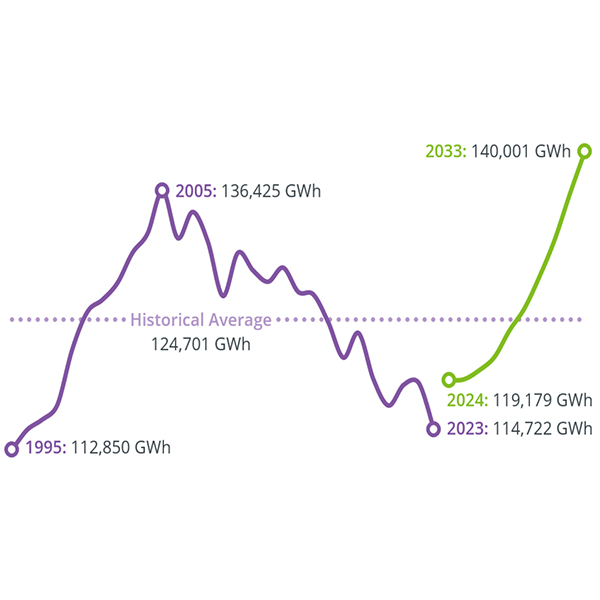
ISO-NE is predicting that New England’s peak load will increase by about 10%, and electricity consumption by 17%, by 2033, according to its 2024 Capacity, Energy, Loads and Transmission report.
ISO-NE
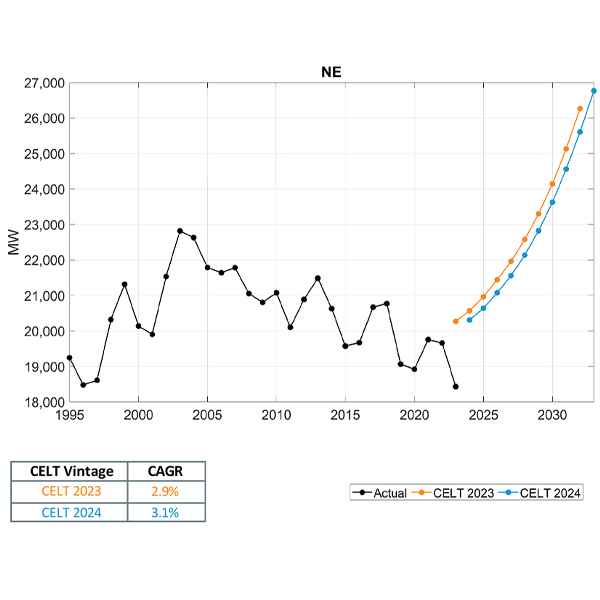
ISO-NE is decreasing its peak load projections slightly for the next 10 years due to slower-than-expected EV adoption, managed charging programs and changes to its modeling of partial building electrification.
ISO-NE
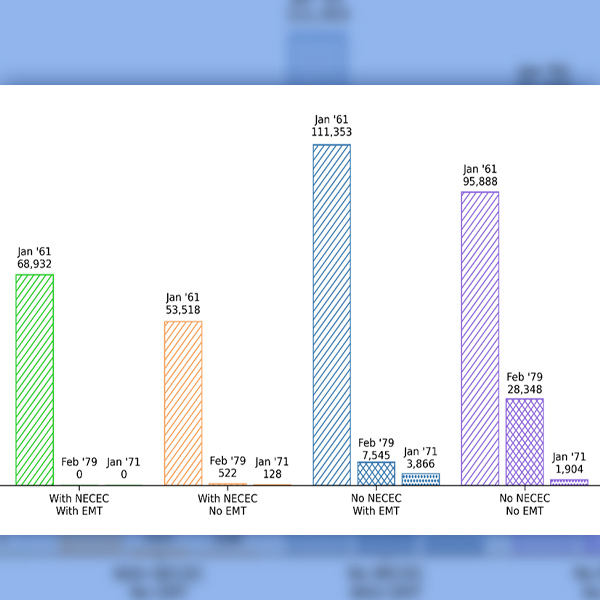
ISO-NE anticipates little risk of energy shortfall in the summer of 2032.
Want more? Advanced Search