NYISO Installed Capacity/Market Issues Working Group (ICAP-MIWG)
NYISO
NYISO secured Business Issues Committee approval of the ISO’s proposal to create separate capacity demand curves for summer and winter beginning with the 2025/2026 capability year.
Shutterstock
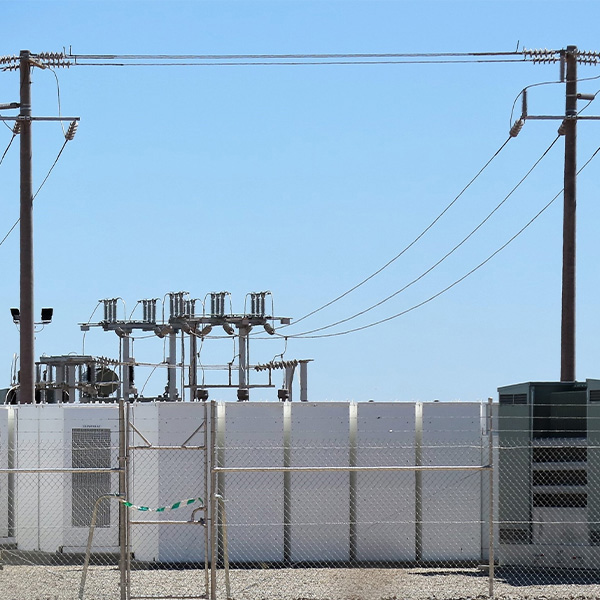
NYISO has begun the process of studying how energy storage resources can be considered as traditional transmission assets.
Potomac Economics
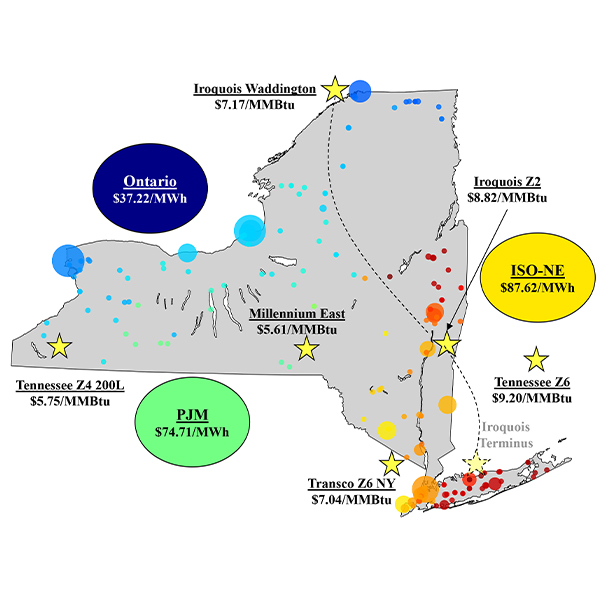
NYISO needs to improve shortage pricing and create smaller capacity zones, the ISO’s market monitoring unit reports in its 2022 State of the Market report.
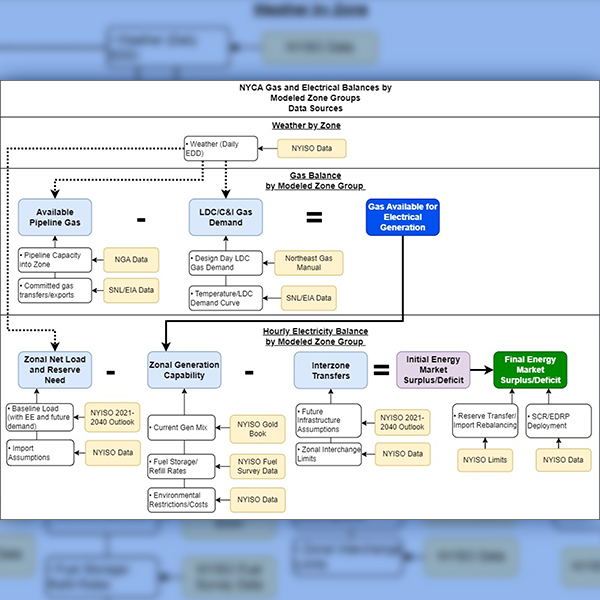
An upcoming fuel and energy security study will examine the combined impacts of electric generation trends and extended cold snaps on NYISO system reliability.
NYISO
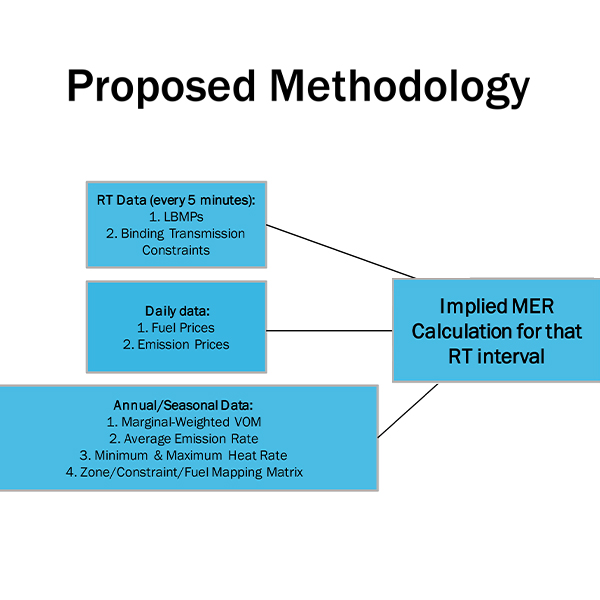
NYISO gave ICAP/MIWG proposed methodology for measuring implied marginal emission rates to increase transparency around New York’s emissions output.
NYISO
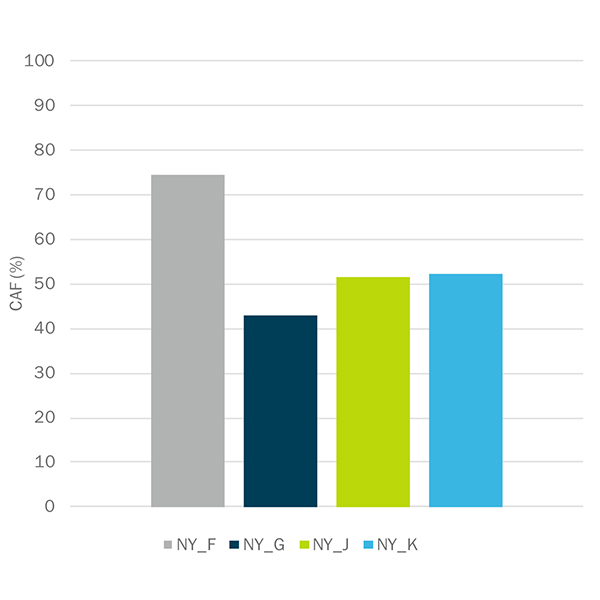
NYISO briefed the Installed Capacity/Market Issues Working Group on its efforts to improve capacity accreditation.
NYISO
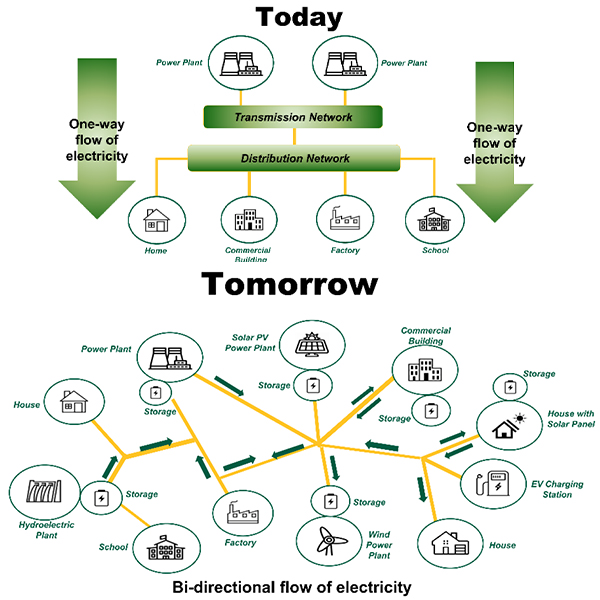
NYISO gave the Installed Capacity and Market Issues Working Groups further revisions to its proposed rules for distributed energy resource aggregations.
© RTO Insider LLC
NYISO presented its anticipated schedules for its Installed Capacity market, energy market and new resource integration projects for this year.
NYISO
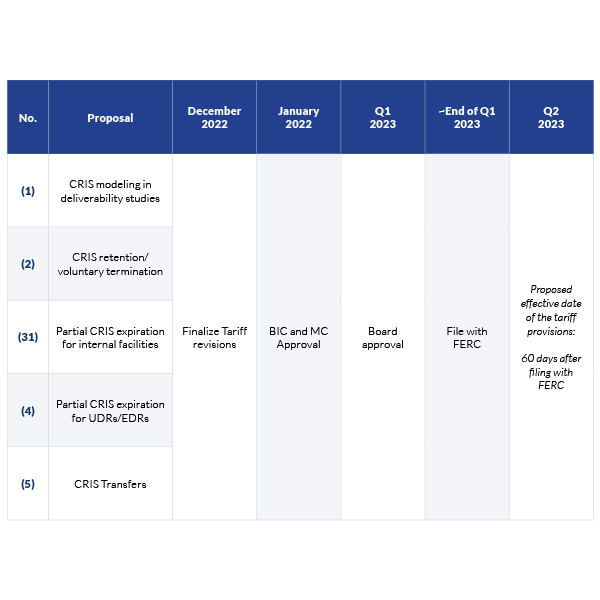
NYISO presented a proposed timeline for finalizing tariff revisions related to capacity resource interconnection service expiration and transfer rules.
NYISO
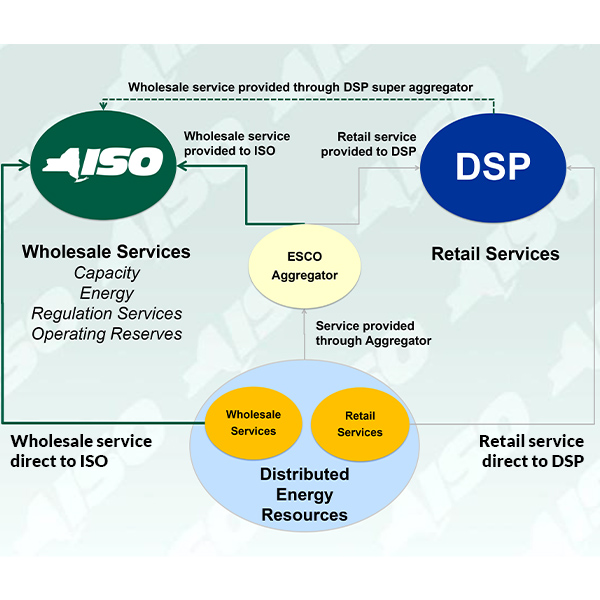
NYISO on Friday presented the Installed Capacity/Market Issues Working Group with draft revisions to its distributed energy resource participation model.
Want more? Advanced Search