NYISO Transmission Planning Advisory Subcommittee

Shutterstock
After receiving pan-sector feedback from stakeholders asking for more time to review NYISO's proposed changes to the reliability planning process, the ISO said it would delay proposing tariff language.
NYISO
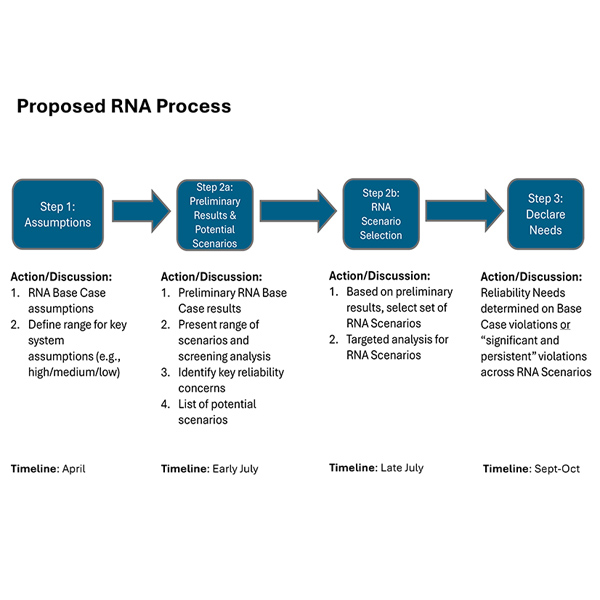
NYISO is proposing to use a set of multiple scenarios rather than relying on a single base case in its Reliability Planning Process to avoid study-by-study fluctuations in determining reliability needs.
Shutterstock
NYISO began what is expected to be a yearlong effort of revising its Reliability Planning Process at a Transmission Planning Advisory Subcommittee meeting.
Hydro-Québec
NYISO's Installed Capacity Working Group's final meeting of 2025 focused on proposed manual changes for several projects.

Shutterstock
In the wake of the New York Public Service Commission’s decision to cease planning its offshore wind underwater transmission network, NYISO has followed suit, tossing two years of planning studies.
NYISO
NYISO continues to find a reliability need for New York City this summer and two peaker plants in the city should be allowed to continue operations into 2027 if necessary, according to sensitivity results for the first-quarter Short Term Assessment of Reliability.
NYISO
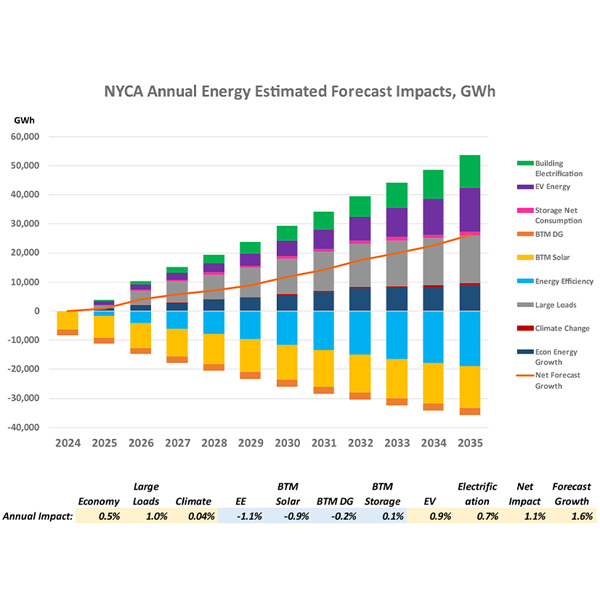
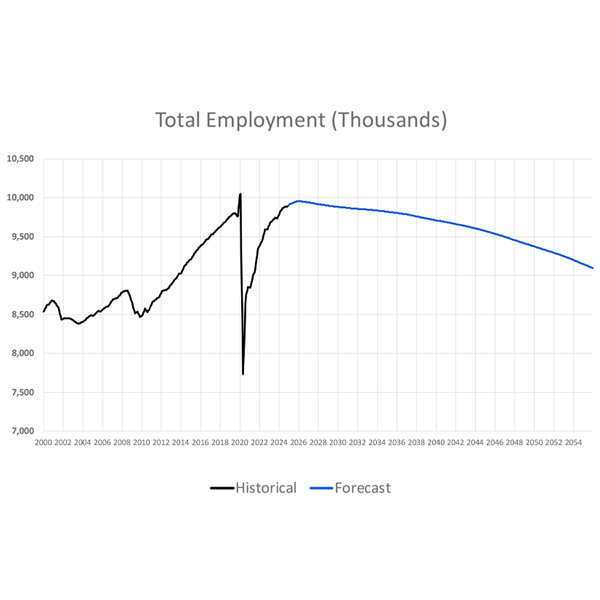
NYISO presented its assumptions for the economic and electrification trends that would drive load growth through the 2040s based on Moody’s Analytics data, which show statewide population to “significantly” decline.

Shutterstock
NYISO made significant updates to its assumptions as part of its final Reliability Needs Assessment, which now shows no concern of a capacity deficiency and a loss-of-load expectation of less than 0.1 in 2034.
NYISO
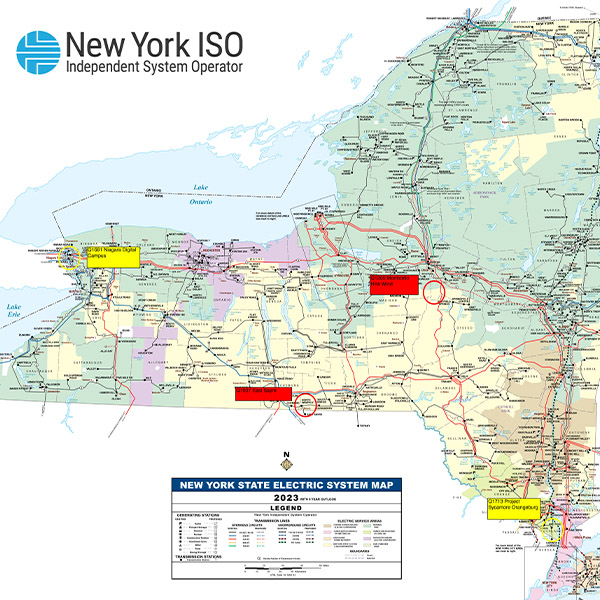
NYISO's update to its draft Reliability Needs Assessment still shows an expected capacity shortfall by 2034, though it is slightly less than what was initially presented in July.
© RTO Insider LLC
NYISO has begun gathering stakeholder input on its FERC Order 1920 compliance plan, giving stakeholders a preview of the revisions needed.
Want more? Advanced Search