The Brattle Group
National Laboratory of the Rockies
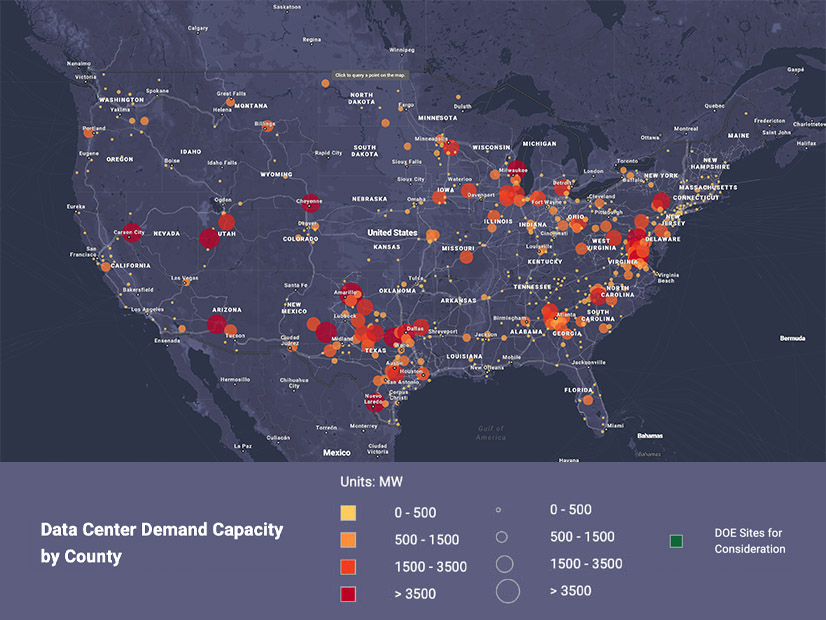
A new study quantifies some of the benefits that could come from more fully using the existing capacity of the grid before expanding the grid to meet demand growth from data centers and other large loads.

Tesla
A new industry coalition calling itself Utilize has begun a campaign to make electricity less expensive and quicker to connect by unlocking underused grid capacity.
The Brattle Group
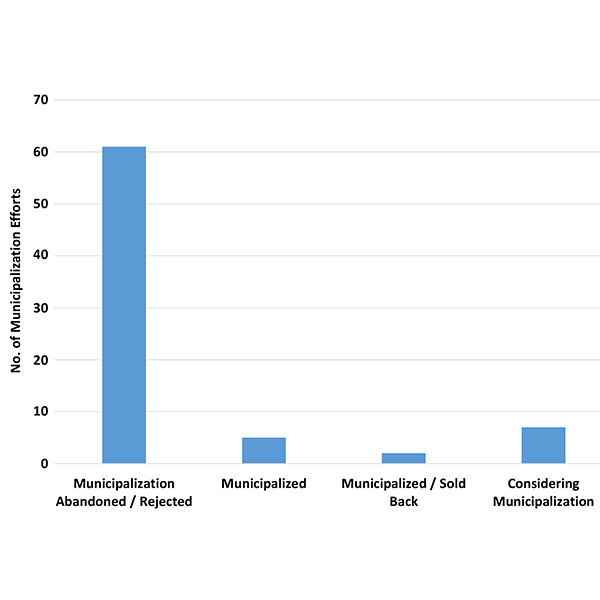
As Tucson, Ariz., weighs whether to take over part of Tucson Electric Power's electric system to form a municipal utility, a new study said such a move would cost the city more than $4 billion.
Western Energy Markets
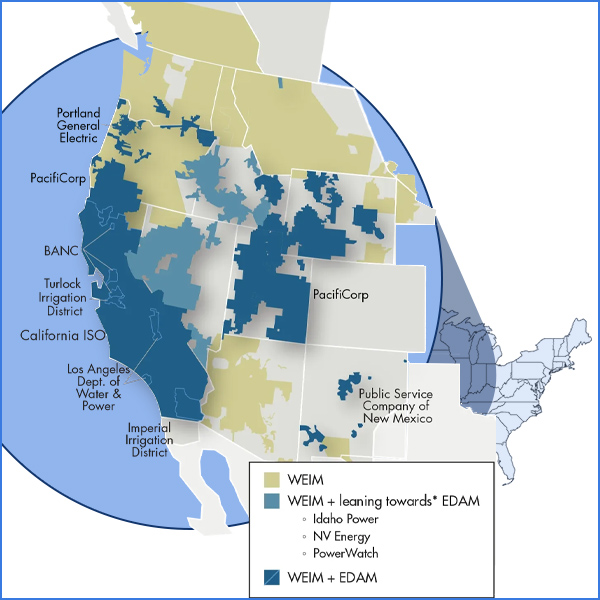
Some parties are urging Nevada regulators to wait until initial results are in for CAISO's Extended Day-Ahead Market before deciding whether to allow NV Energy to join.
Brattle
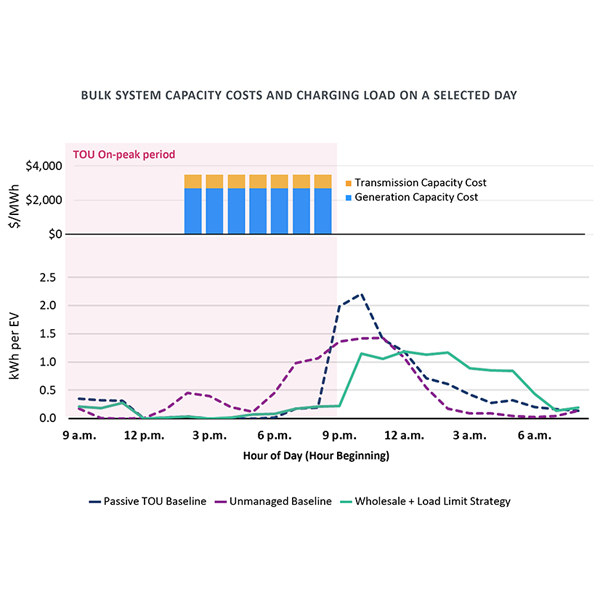
EnergyHub and Brattle Group released a study based on a real-world test of different strategies for managing charges on distribution circuits, which found significant benefits from managed charging once EVs become more common in a neighborhood.

Diamond Generating LLC
Flexibility will be a core attribute of the various scenarios and solutions being discussed to meet the snowballing estimates of U.S. electric power demand, says columnist K Kaufmann.

Shutterstock
The degree of risk and uncertainty springing from indifferent or outright obstructive new federal policies in 2025 has trimmed planned solar deployment.

Yes Energy
After a long decline in the U.S., coal-fired generation is enjoying strong policy support in the second Trump administration.

Georgia Power
Commercial nuclear energy in the U.S. begins 2026 with strong momentum toward future expansion, but it will be years before new-build capacity comes online and possibly a decade or more before a significant amount of new gigawatts is added to the grid.
GE Vernova
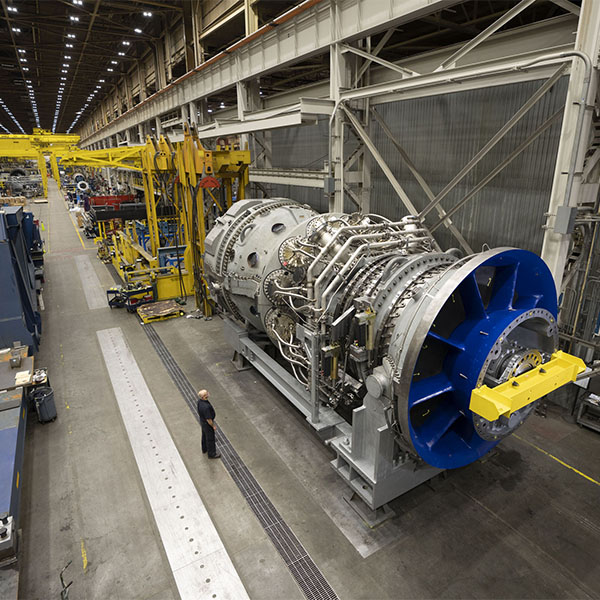
With support from the Trump administration and demand from data centers, 2025 and now 2026 are high times for the U.S. natural gas sector.
Want more? Advanced Search