Facing a dramatic electricity rate hike driven in part by a shortage of generation sources, the New Jersey Board of Public Utilities has approved new grid modernization rules that the agency says will make the process of launching new distributed sources easier and faster.
The board voted 4-0 on May 21 for rule changes the agency said will streamline the process by which distribution grid interconnection applications are handled. Among the changes are the enactment of more frequent updates to hosting capacity maps and a revised dispute resolution process, according to a statement from the board.
The new rules also include a “pre-application and verification process to provide applicants with an early indication of project feasibility and costs, and a requirement for utilities to have a web portal for a more consistent interconnection application process regardless of service territory,” the board said.
The approval came as state ratepayers on June 1 will see a 20% increase in the average electricity bill, which has stoked anger among lawmakers, ratepayer advocates and BPU officials. The increase, based on the prices in the state Basic Generation Service auction held in February, was affected by the dramatic price rise in the PJM capacity auction held in July 2024.
PJM officials say the increase stems in part from old fossil fuel power sources shutting down at a faster pace than new generation sources, mainly clean energy, are coming online. Both New Jersey and PJM forecast a major increase in electricity demand due to the proliferation of data centers, greater electric vehicle use, building electrification and other factors.
Controlling Energy Costs
While the BPU has planned its grid modernization process for three years, the release comes as the agency looks for ways to get new sources online more quickly. (See NJ Regulators Seek ‘Proactive’ Grid Upgrade Plans from Utilities and New Jersey Opts to Explore Nuclear Options.)
BPU President Christine Guhl-Sadovy said the new rules mark a “pivotal step toward … making the interconnection process more efficient,”
“Increasing the number of distributed energy resources, including new solar projects, as quickly as possible is a key component of our comprehensive effort to drive down energy costs for ratepayers, and we are delivering on that effort,” she said in a statement.
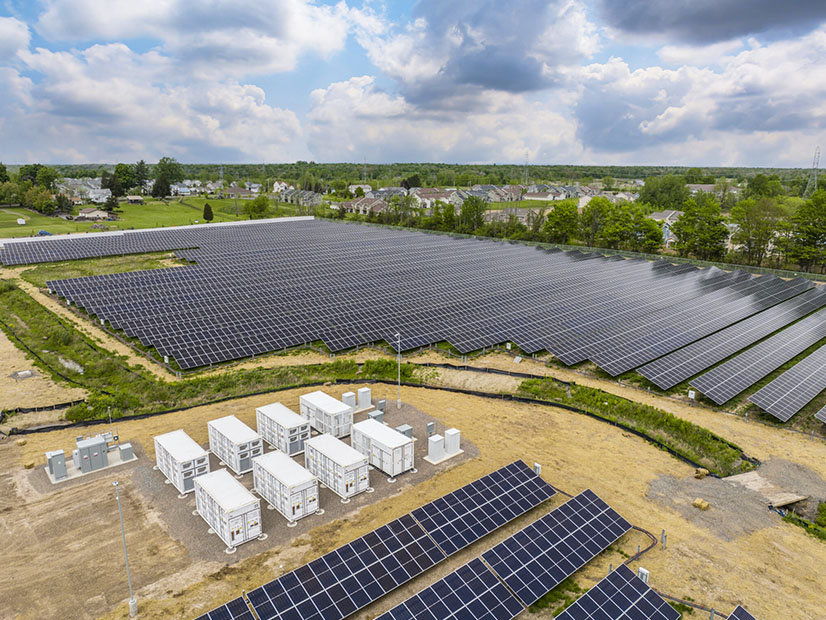
The BPU says the rules will make it easier to get solar and storage facilities online, which the agency said in a statement are “some of the cheapest and fastest resources to come online” and will “reduce the peak energy forecasts for New Jersey.”
Doing so “decreases the amount of capacity New Jersey needs to buy, which in turn puts downward pressure on capacity prices for all ratepayers, helping save money via avoided costs,” the agency statement said. New Jersey is an importer of electricity because it does not generate enough in-state.
The BPU is working on finalizing a straw proposal for a program that would offer incentives to stimulate the development of storage projects. (See NJ BPU Updates Proposal for Storage Incentives.)