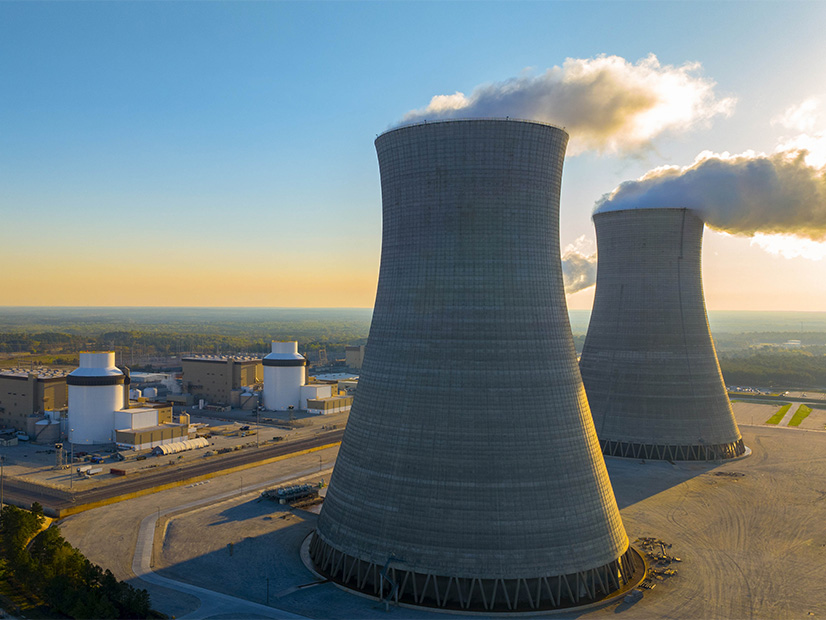
Georgia Power will add at least 6 GW of new generation capacity by 2031 under the integrated resource plan approved July 15.
The IRP reflects heavy anticipated increases in demand. The utility had projected up to 8.2 GW of load growth when it submitted the plan to the Georgia Public Service Commission in January. (See Georgia Power Proposes Nuclear Uprate, Delay in Fossil Retirement.)
The final IRP approved by the PSC (56002) directs the 6-GW increase to meet that need and allows a maximum 8.5 GW, if the additional need can be proven.
The IRP also includes:
-
- a $161 million budget for demand-side energy efficiency programs to help ease the strain on the grid;
- a 10-year transmission plan to include upgrades across more than 1,000 miles of lines;
- nuclear plant uprates;
- modernization of the hydropower fleet;
- upgrades and operating extensions for existing coal and natural gas power plants; and
- a formal process to evaluate new grid-enhancing technologies, both to increase grid capacity and to better integrate solar and storage resources.
The PSC vote to approve the IRP was unanimous. Opinions about the details of the IRP were not.
Environmental advocates and clean energy supporters are unhappy about Georgia Power increasing its reliance on natural gas and coal through upgrades and retirement delays for existing plants.
The Southern Alliance for Clean Energy called the IRP “dangerously short-sighted,” locking Georgia into a future use of coal and gas that will further burden ratepayers to the benefit of Big Tech — whose data center predictions are speculative and have “significant potential for overestimation of both energy and peak load.”
“The strides made in solar, storage, and customer programs for clean energy are sadly blunted by the continued investment in fossil fuel infrastructure in the approved IRP,” the alliance said. “On top of that, the fact that Georgia Power is authorized to seek certification for up to 8,500 MW of resource capacity after the IRP means there’s potential for even more spending on brand-new gas plants on the horizon.”
The Clean Energy Buyers Association was more complimentary toward the IRP, thanks to the inclusion of a new subscription option allowing commercial and industrial customers to work with developers to bring clean-energy projects into Georgia Power’s system. The association and the utility collaborated for more than a year on the measure.
“This is a meaningful step forward in helping customers match their growing energy needs with clean, customer-funded energy resources,” the association said.
Renewables are part of the IRP, just not as large a part as some would like.
Georgia Power plans to procure up to 4 GW of renewable resources by 2035, the first 1.1 GW through its competitive Utility Scale and Distributed Generation procurements, and it plans to raise its battery energy storage target above the current 1.5 GW.
The 4 GW of new capacity would bring the utility’s renewable portfolio to about 11 GW.
In a July 15 news release, Georgia Power said its projection of load growth by 2030 now is 8.5 GW, compared with a January projection of 8.2 GW and a 2023 projection of 5.9 GW.
In its own news release, the PSC noted the internal disagreements over load growth that led to the 6-GW/8.5-GW stipulation: “Georgia Power and the PSC’s Public Interest Advocacy Staff disagreed over the amount of new energy large-load customers were expected to consume over the next several years — although both sides did agree it would be significant.”
PSC Chair Jason Shaw said: “As data center construction continues in Georgia, this IRP puts us in a safe and secure spot to meet that energy need. This long-term plan continues to strike a balance between reliability and affordability.”
Commissioner Tim Echols said: “With unprecedented grid growth ahead for Georgia, this integrated resource plan puts us on the right path to meet everyone’s needs. I wish it had more solar, more storage, more energy efficiency — but it strikes a good compromise in the spirit of collaboration.”
In the IRP, Georgia Power said components of its generation mix for retail needs in 2024 included natural gas (40%), nuclear (29%), coal (16%), solar (6%), hydro (2%) and wind (1%).